 Get Listed

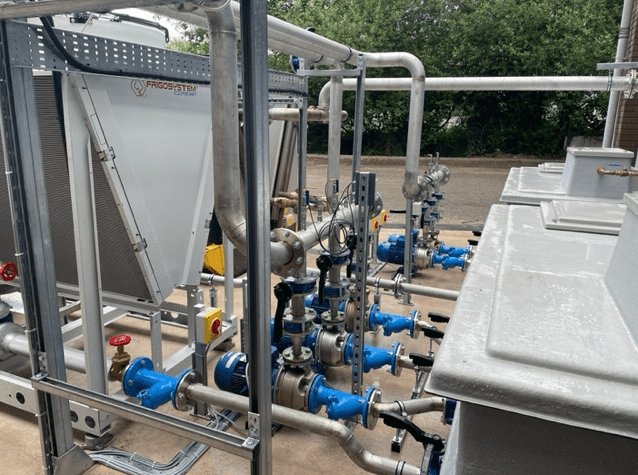
As temperatures begin to drop, businesses across the UK face the challenge of protecting their pipework systems from the harsh effects of winter. Cold weather can cause pipes to contract, freeze, and even burst—leading to significant disruption and costly repairs. Whether you manage a commercial site, an industrial facility, or a plant with critical process systems, preparing your pipework in advance can make all the difference.
Taking a proactive approach to winter maintenance ensures reliability, safety, and efficiency during the colder months.
From insulation and temperature control to inspections and emergency planning, there are several practical steps that can help safeguard your pipework system. This guide explores the most effective ways to prepare for winter and avoid unwanted downtime or damage.
Understanding the Risks of Cold Weather
When temperatures fall below freezing, the water or fluids within your pipework can expand, putting pressure on joints and fittings.
This expansion often leads to cracks, leaks, or even full ruptures—especially in older systems or those lacking proper insulation. The result can be extensive water damage, system failure, and, in industrial environments, serious safety risks.
Different materials respond differently to cold conditions. Steel and copper pipes can contract, causing stress at connection points, while PVC pipes may become brittle and prone to cracking.
Understanding how your specific system reacts to temperature changes is essential for choosing the right preventive measures and maintaining operational continuity throughout the season.
Inspecting and Servicing Existing Pipework
Before winter arrives, a thorough inspection of your entire pipework system should be a top priority. Look for visible signs of corrosion, leaks, or worn seals, as these can worsen when exposed to low temperatures.
Areas that are difficult to access or routinely overlooked—such as roof spaces, service ducts, and external runs—deserve particular attention.
Engaging a qualified engineer for a professional inspection can be highly beneficial, especially for complex or high-pressure systems.
They can identify potential weak points that might not be visible to the untrained eye and carry out any necessary repairs or upgrades. This not only helps to prevent breakdowns but also extends the lifespan and efficiency of your system.
Insulating Exposed and Vulnerable Pipes
Proper insulation is one of the most effective defences against freezing temperatures. Exposed pipes—particularly those located outdoors, in unheated spaces, or near external walls—are especially vulnerable.
Insulating these areas helps maintain internal temperatures and prevents the fluid inside from freezing, even in bitterly cold weather.
There are various insulation materials available, from foam sleeves to mineral wool and pre-formed lagging.
Choosing the right type depends on the operating temperature and environment. Installation should be carried out carefully to ensure there are no gaps or exposed joints, as these can create weak spots where frost can take hold.
Protecting External Valves and Fittings
Valves, taps, and fittings located outside or in exposed areas are at high risk during the winter months.
Covering or boxing them in helps protect against frost damage and ensures they function correctly when needed. Weather-resistant covers or lagging designed specifically for valves can be fitted quickly and offer excellent protection.
In addition to physical protection, it’s wise to label and map all external valves and isolation points.
This ensures they can be accessed quickly in an emergency, such as a sudden leak or burst pipe. Clear labelling also makes maintenance easier and reduces response times during unplanned events.
Maintaining Adequate Heating and Temperature Control
Keeping internal areas where pipework is located above freezing point is vital. Even a small drop in ambient temperature can cause major problems if systems are not adequately heated.
Installing thermostatic controls or heat tracing cables can help maintain consistent temperatures, especially in unheated zones or plant rooms.
For high-risk areas, consider adding frost protection heaters or low-level background heating to reduce the chance of freezing.
Continuous temperature monitoring can also help detect any potential cold spots before they become a problem, allowing maintenance teams to act quickly and prevent damage.
Checking Drainage and Water Flow
A well-functioning drainage system is another essential part of winter preparation. Blocked drains, condensate lines, or stagnant water can lead to ice build-up and pressure issues within your pipework. Before winter sets in, ensure all drains and outlets are clear and flowing freely.
Regularly testing the flow of water or process fluids through the system during the colder months helps identify slow movement or partial blockages early on.
By keeping your system free-flowing and clean, you’ll avoid unnecessary pressure on joints and reduce the risk of freezing in low-use sections of the network.
Creating a Winter Maintenance Plan
A structured maintenance plan ensures that preparation doesn’t stop once the cold weather begins.
Scheduling regular inspections and recording findings in a maintenance log helps track any changes or emerging issues. Your plan should include both routine checks and a clear process for dealing with emergencies.
Include contact details for key personnel and contractors, along with inspection schedules and records of any repairs or adjustments made.
Having a proactive plan in place not only improves system reliability but also reduces the likelihood of costly reactive maintenance or extended downtime during peak periods.
Knowing When to Call a Professional
While basic checks and insulation can be handled in-house, some tasks require the expertise of a professional pipework engineer.
Systems operating under pressure, or those used in process-critical environments, should always be inspected and serviced by certified specialists.
Professionals can carry out pressure testing, replace damaged components, and offer tailored advice on long-term maintenance strategies.
Partnering with an experienced pipework contractor ensures your system remains compliant, efficient, and fully prepared for the challenges of winter.
Conclusion
Preparing your pipework system for winter doesn’t have to be complicated—but it does require planning and attention to detail.
By inspecting, insulating, maintaining temperature, and establishing a clear maintenance plan, you can significantly reduce the risk of damage and disruption.
A well-prepared system not only saves time and money but also provides peace of mind throughout the coldest months of the year.
To ensure your business is ready for winter, contact DSJ Pipework today and arrange a pre-winter inspection with one of our expert engineers.
For more information on How to Prepare Your Pipework System for Winter talk to DSJ Pipework Services Ltd