 Get Listed

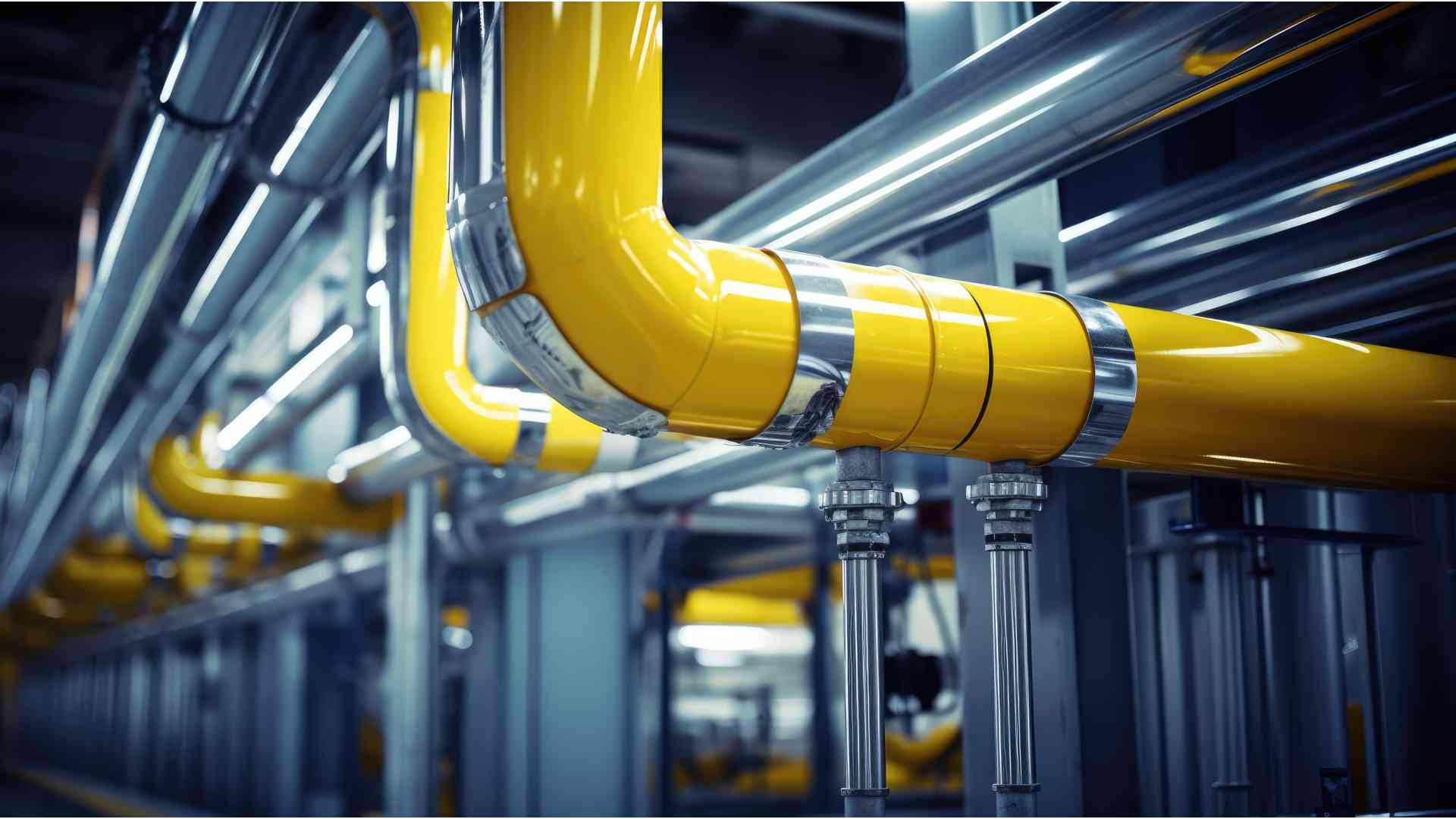
In industrial environments, pipework systems form the backbone of countless operations, from chemical processing to heating and cooling networks. Their reliability directly impacts safety, efficiency, and running costs.
While much attention is often given to material selection and design, the finer details—such as jointing and sealing—play an equally vital role in ensuring the system performs as intended.
Neglecting the quality of joints and seals can quickly lead to inefficiencies or even complete system failure.
A single poorly sealed joint has the potential to cause leaks, pressure drops, and contamination, all of which disrupt production and pose safety risks.
For these reasons, understanding and prioritising proper jointing and sealing is essential for anyone responsible for installing or maintaining industrial pipework.
The Role of Joints and Seals in Industrial Pipework
Joints and seals are the connection points that bring individual sections of pipework together into a continuous system.
Their primary function is to maintain mechanical strength and ensure the system remains leak-free, even under high pressure or extreme temperature conditions.
Without well-fitted joints and correctly applied seals, a pipe network would quickly become compromised.
Seals, in particular, act as barriers against fluid or gas escape and help protect the pipework from external contaminants such as dust, moisture, or corrosive elements.
They are especially crucial in industries where precision and cleanliness are paramount, such as food manufacturing or pharmaceuticals.
Together, joints and seals form the unseen but indispensable foundation that keeps industrial systems operating safely and efficiently.
Industrial Pipework
Common Types of Pipe Joints and Seals
Industrial pipework systems employ a range of jointing methods depending on their purpose, materials, and operating conditions. Welded joints, for example, create a strong and permanent bond ideal for high-pressure applications.
Flanged joints, on the other hand, allow for easy disassembly during maintenance, while threaded and press-fit connections offer quick installation options without the need for extensive welding.
Each method serves a specific purpose and must be chosen carefully.
Sealing materials also vary according to the system’s requirements.
Common examples include gaskets made from rubber or graphite, O-rings for flexible sealing, and industrial sealants that provide additional protection against leaks.
The choice of material depends on the fluid type, pressure rating, and temperature range. Selecting the right combination of joint type and sealing material ensures the entire system operates reliably and remains compliant with safety standards.
Risks of Poor Jointing and Sealing
Substandard jointing and sealing can cause serious problems in industrial pipework. Leaks are the most immediate concern, leading to wasted product, loss of system pressure, and potential environmental contamination.
Even minor leaks can result in significant maintenance costs over time, particularly if they go undetected.
The constant exposure to moisture or chemicals can also accelerate corrosion, weakening the surrounding metal and reducing the overall lifespan of the system.
Beyond efficiency losses, poor sealing poses major safety risks. In high-pressure systems, a faulty joint can fail suddenly, releasing hot fluids or gases that endanger personnel and damage equipment.
The downtime required to repair or replace failed sections can disrupt production schedules and cause financial losses.
In regulated industries, a single leak can even result in non-compliance penalties, making attention to joint quality an absolute necessity.
Best Practices for Effective Jointing and Sealing
Achieving a durable, leak-free joint begins with selecting the right joint type for the specific application. Factors such as system pressure, operating temperature, and fluid characteristics all influence which method will perform best.
Using high-quality materials and ensuring precise alignment during installation are equally important. Even the most advanced sealing products will fail if the surfaces they connect are uneven, dirty, or incorrectly positioned.
Following manufacturer recommendations and relevant British Standards ensures each joint is installed correctly and tested thoroughly.
Pressure and integrity testing after installation is essential to confirm that the system is performing as expected.
Proper training, attention to detail, and consistent inspection routines can dramatically reduce the risk of future leaks and extend the lifespan of the entire pipe network.
Quality Assurance and Professional Standards
The difference between a reliable system and a failing one often comes down to the level of skill and professionalism of those installing it.
Qualified pipework engineers understand not only how to assemble joints but also how to inspect, test, and maintain them in line with industry standards.
British Standards, such as BS EN 13480 for metallic industrial piping, provide the framework for ensuring that systems are safe, efficient, and long-lasting.
Quality assurance should not be treated as an afterthought but as an integral part of every project.
From initial design through to final testing, consistent documentation and inspection help catch potential issues early.
Companies that invest in training and adopt rigorous quality control processes build a reputation for reliability—something that pays off in customer trust and reduced long-term maintenance costs.
Conclusion
Proper jointing and sealing may seem like minor details in the grand scheme of industrial pipework, yet their impact is immense.
They determine not only how well a system performs but also how long it will last before repairs are needed.
By treating these elements with the importance they deserve, businesses can prevent leaks, reduce downtime, and maintain safer, more efficient operations.
Ultimately, attention to jointing and sealing is an investment in long-term reliability.
Partnering with experienced professionals, using the right materials, and adhering to recognised standards ensures every project stands the test of time.
In an industry where safety and performance are paramount, doing the job properly from the start is always the best strategy.
For more information on Why Proper Jointing and Sealing Is Crucial in Industrial Pipework talk to DSJ Pipework Services Ltd