 Get Listed


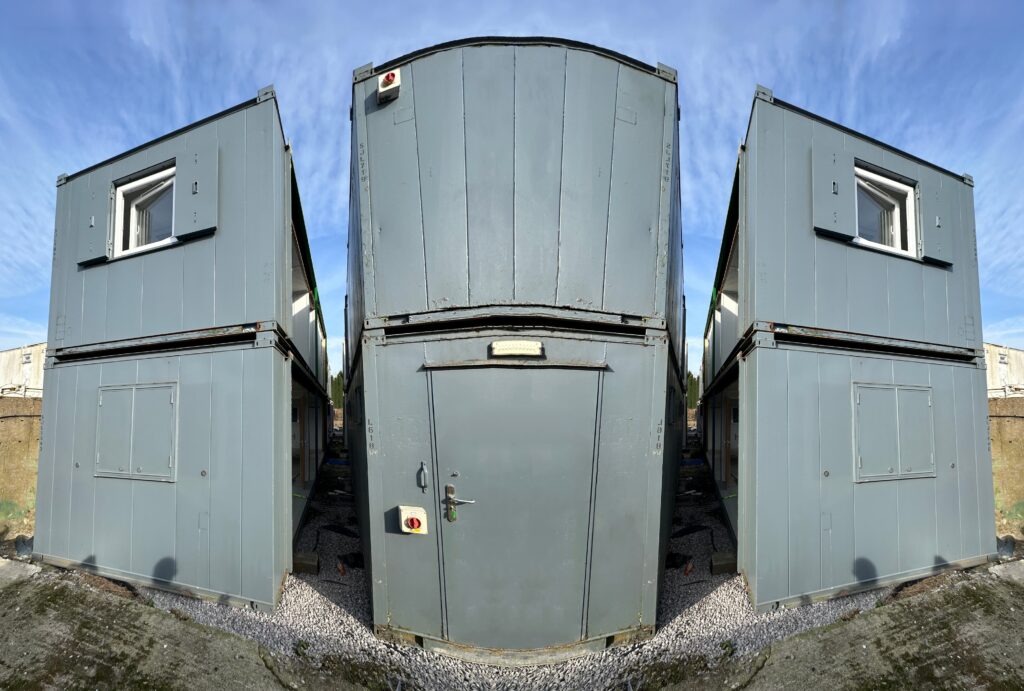
Sustainability is becoming one of the biggest priorities in the construction industry. Businesses, public sector organisations and developers are increasingly looking for ways to reduce waste, lower carbon emissions and make better use of resources.
One concept gaining significant attention is the circular economy, and modular construction is helping bring these principles into real-world building projects.
Traditional construction has often followed a linear model: materials are extracted, buildings are constructed, and eventually those structures are demolished and discarded.
This ‘build, use and dispose’ approach creates huge amounts of waste and places continuous demand on raw materials. Circular economy principles aim to change that by keeping materials, products and buildings in use for as long as possible.
Modular construction is naturally well suited to this approach because modular buildings can be reused, refurbished, relocated and repurposed far more easily than traditional structures.
What is a circular economy?
A circular economy focuses on reducing waste and maximising the lifespan of materials and products.
Instead of disposing of items after use, circular systems prioritise:
- Reuse
- Refurbishment
- Repair
- Repurposing
- Recycling
The goal is to create a more sustainable cycle where resources remain in productive use for longer, reducing environmental impact and reliance on newly extracted materials.
In the construction sector, this means designing buildings and systems that can adapt, evolve and continue serving useful purposes rather than being demolished prematurely.
Why modular construction supports circular economy goals
Modular buildings are manufactured differently from traditional buildings. They are built in sections or modules, often off-site, before being transported and assembled at their final location.
This construction method already reduces waste during manufacturing, but its long-term flexibility is what makes it particularly valuable within a circular economy model.
Unlike many traditional buildings, modular structures can often be:
- Relocated to new sites
- Reconfigured for different uses
- Extended as requirements grow
- Refurbished instead of replaced
- Dismantled with less material waste
This adaptability allows buildings to stay useful for far longer, helping reduce both waste and unnecessary new construction.
Extending building lifespans through refurbishment
One of the clearest examples of circular economy principles in modular construction is refurbishment.
Portable cabins and modular buildings are frequently refurbished rather than disposed of once they become outdated. Structural steel frames often remain in excellent condition for decades, making refurbishment a practical and sustainable alternative to manufacturing new units.
Refurbishment can include:
- New cladding and exterior finishes
- Upgraded insulation
- Modern electrical systems
- Replacement windows and doors
- Interior redesigns and layouts
- Heating and energy-efficiency improvements
By retaining the core structure, refurbishment significantly reduces waste and embodied carbon while extending the usable life of the building.
This approach allows organisations to access modern, high-quality space solutions without the environmental impact associated with full new-build construction.
Reducing construction waste
Construction waste is one of the biggest environmental challenges facing the industry. Traditional demolition projects generate huge amounts of discarded materials, many of which end up in landfill. Modular construction helps reduce this problem in several ways.
First, off-site manufacturing creates more controlled production processes with less excess material waste. Secondly, modular buildings can often be dismantled, relocated or upgraded rather than demolished entirely.
Refurbishment also prevents large quantities of steel, timber, insulation and flooring materials from being discarded unnecessarily.
Keeping these materials in use for longer supports circular economy goals while helping organisations reduce their environmental footprint.
Lowering carbon emissions
The construction industry contributes significantly to global carbon emissions, particularly through the production of materials such as steel and concrete.
Circular economy principles aim to reduce these emissions by limiting the need for new manufacturing wherever possible.
Modular refurbishment plays an important role here. Reusing an existing structure avoids much of the carbon associated with extracting raw materials, transporting products and manufacturing entirely new building systems.
This reduction in embodied carbon is becoming increasingly important as businesses and public sector organisations work towards sustainability targets and net zero commitments.
Choosing refurbished modular buildings can therefore support both operational needs and wider environmental objectives.
The future of sustainable construction
As sustainability regulations tighten and environmental awareness continues to grow, circular economy principles are likely to play an increasingly important role in the future of construction.
Modular buildings already offer many environmental advantages, but refurbishment and reuse take those benefits even further.
By extending the life of existing buildings, reducing waste and lowering carbon emissions, modular construction supports a more sustainable and responsible approach to development.
For more information on The Role Of Circular Economy Principles In Modular Construction talk to Cabinlocator Ltd