 Get Listed


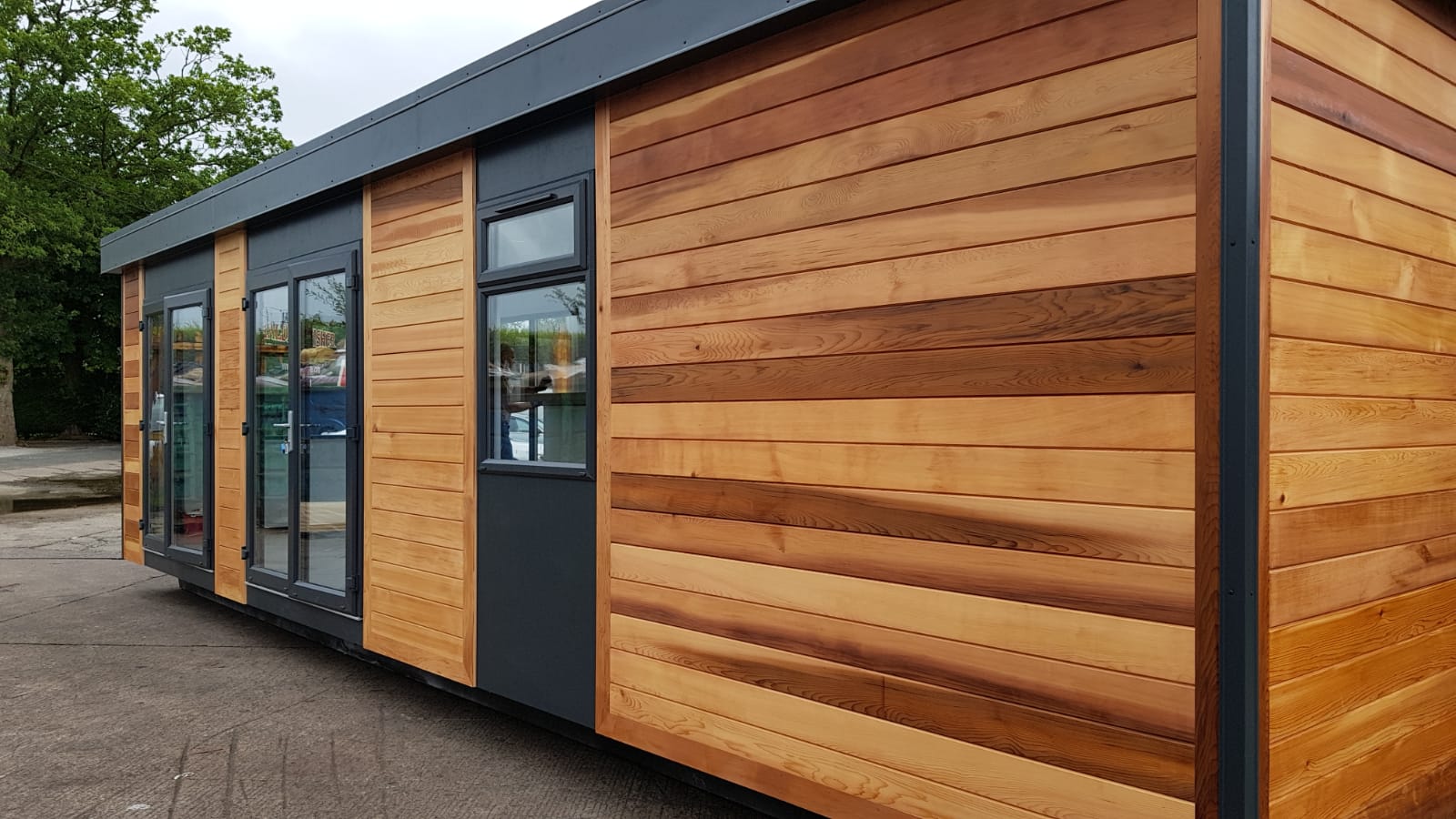
Environmental, Social and Governance (ESG) considerations have become an increasingly important part of business decision-making. Organisations across the UK are under growing pressure to demonstrate their commitment to responsible business practices.
While much of the ESG conversation focuses on energy use, carbon emissions, and supply chains, the buildings organisations choose to occupy also play a significant role.
For businesses seeking practical ways to reduce their environmental impact without compromising operational needs, refurbished portable buildings offer an attractive solution.
Understanding ESG in the built environment
ESG is a framework used to assess how organisations manage their environmental responsibilities, social impact, and governance practices.
In relation to buildings and facilities, ESG considerations often include:
- Reducing carbon emissions
- Minimising waste
- Improving resource efficiency
- Supporting employee wellbeing
- Demonstrating responsible procurement practices
- Meeting sustainability targets
As organisations look for ways to achieve these objectives, the environmental benefits of refurbishment are becoming increasingly recognised.
Extending the life of existing assets
One of the most sustainable actions an organisation can take is to maximise the lifespan of existing resources. Refurbished portable buildings support this principle by giving structurally sound buildings a second life rather than replacing them with entirely new units.
The steel frame and core structure of many portable buildings can remain serviceable for decades. Refurbishment allows these assets to continue delivering value while avoiding the environmental costs associated with manufacturing new buildings from scratch.
Reducing construction waste
Construction and demolition waste remain significant environmental challenges across the UK. When buildings are discarded prematurely, large quantities of materials can end up requiring disposal, recycling, or energy-intensive processing.
Refurbishment dramatically reduces the amount of waste generated by extending the useful life of an existing building. Rather than replacing entire structures, refurbishment typically focuses on upgrading key components such as:
- Internal finishes
- Flooring
- Electrical systems
- Heating and cooling equipment
- Doors and windows
- External cladding
This targeted approach minimises material consumption and helps reduce the environmental burden associated with construction waste.
Supporting the circular economy
The concept of the circular economy is becoming increasingly important within ESG strategies. Unlike the traditional ‘take, make, dispose’ model, a circular economy aims to keep products and materials in use for as long as possible.
Refurbished portable buildings are an excellent example of this principle in action. Instead of manufacturing new structures whenever additional accommodation is required, existing buildings are upgraded, modernised, and redeployed.
This helps organisations:
- Maximise resource efficiency
- Reduce raw material consumption
- Lower waste generation
- Extend asset lifecycles
For businesses seeking practical examples of circular economy principles within their operations, refurbished buildings offer a clear and measurable solution.
Lower embodied carbon compared to new construction
When discussing sustainability, operational energy efficiency often receives significant attention. However, embodied carbon is equally important.
Embodied carbon refers to the emissions generated through the extraction, manufacture, transportation, and installation of construction materials.
Building a new structure requires substantial quantities of steel, insulation, cladding, glazing, and other materials, all of which carry an environmental footprint. By retaining and upgrading an existing building, refurbishment avoids much of this embodied carbon impact.
Improving energy efficiency through modern upgrades
Refurbishment is not simply about preserving older buildings. It also provides an opportunity to improve performance.
Many refurbished portable buildings can be upgraded with:
- Enhanced insulation
- Energy-efficient glazing
- LED lighting
- Modern heating systems
- Improved ventilation technologies
These improvements help reduce energy consumption while creating more comfortable working environments.
Supporting social responsibility objectives
The ‘Social’ element of ESG extends beyond environmental concerns. Businesses are increasingly expected to provide safe, comfortable, and healthy working environments for employees, contractors, and visitors.
Refurbished portable buildings can support these objectives through upgraded facilities, improved thermal comfort, better lighting, and enhanced welfare provisions.
Modern refurbishment programmes can transform older accommodation into attractive, professional workspaces that contribute positively to employee wellbeing and productivity.
Demonstrating responsible procurement
ESG frameworks increasingly encourage organisations to consider the sustainability implications of procurement decisions.
Choosing a refurbished building instead of commissioning a new one can demonstrate a commitment to responsible purchasing practices.
This decision shows that an organisation is actively considering:
- Resource conservation
- Waste reduction
- Lifecycle value
- Environmental impact
For businesses reporting on sustainability performance, these considerations can form part of wider ESG narratives and corporate responsibility initiatives.
Delivering sustainability without compromising flexibility
One of the reasons refurbished portable buildings appeal to so many organisations is that sustainability benefits do not come at the expense of practicality: they can be adapted to a wide range of purposes.
Refurbishment demonstrates that responsible environmental choices and commercial practicality can go hand in hand, helping organisations make meaningful progress towards their ESG commitments.
For more information on How Refurbished Portable Buildings Support ESG Objectives talk to Cabinlocator Ltd