 Get Listed


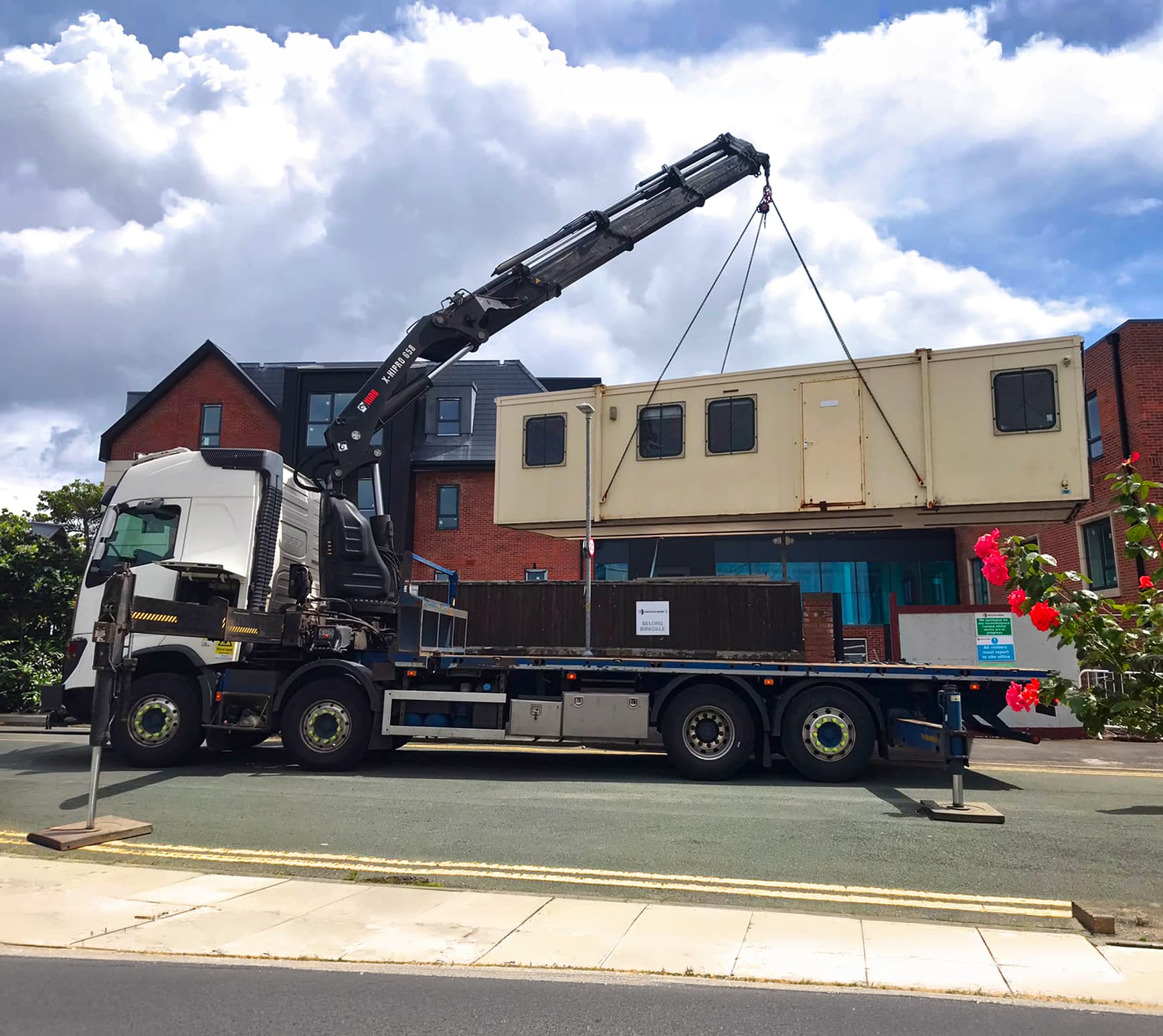
For many organisations, one of the biggest challenges associated with new buildings is the length of time it takes to complete a project. Traditional construction programmes can stretch for many months, and sometimes years, creating delays, disruption, and rising costs.
Whether a school needs additional classroom space before the new academic year, a healthcare provider requires extra capacity, or a logistics company is expanding operations, waiting for a conventional build to be completed is not always practical.
By moving much of the construction process off-site and into a controlled factory environment, premium modular buildings can significantly reduce project timelines while maintaining high standards of quality and performance.
Why traditional construction can take so long
Conventional construction involves multiple stages that often occur one after another.
These typically include:
- Site preparation
- Groundworks
- Foundations
- Structural construction
- Roofing
- Internal fit-out
- Mechanical and electrical installation
- Finishing works
Because much of this work takes place on-site, progress can be affected by weather conditions, labour shortages, material delays, and site access restrictions.
Even relatively straightforward projects can encounter unexpected setbacks that extend completion dates and increase costs.
How modular construction works differently
The major advantage of modular construction is that much of the building is manufactured off-site while site preparation is taking place simultaneously.
Instead of waiting for foundations and groundworks to be completed before construction begins, modular units are produced in a factory environment at the same time. This parallel approach removes weeks or even months from the overall programme.
Once the modules are completed, they are transported to site, installed, connected, and finished. Because large sections of the building arrive substantially complete, on-site construction time is dramatically reduced.
Faster project delivery through parallel working
One of the biggest reasons modular buildings save time is that multiple workstreams can happen simultaneously.
For example:
- Foundations can be prepared on-site
- Building modules can be manufactured off-site
- Mechanical and electrical systems can be installed during manufacture
- Internal finishes can be completed before delivery
In a traditional build, many of these activities would occur sequentially. By overlapping project phases, organisations can shorten overall delivery schedules considerably.
This can be particularly valuable where deadlines are fixed, such as school expansion projects or healthcare facility upgrades.
Reduced weather delays
Weather remains one of the most common causes of construction delays in the UK. Heavy rain, strong winds, snow, and freezing temperatures can all affect site-based construction activities.
Modular buildings are largely manufactured indoors in controlled factory conditions. This means production can continue regardless of the weather outside. As a result, project schedules become more predictable and less vulnerable to seasonal disruption.
Improved supply chain efficiency
Material shortages and delivery delays have become increasingly common across the construction sector. Factory-based manufacturing allows suppliers and contractors to manage materials more effectively and order components in advance.
Because production follows a structured process, there is often greater visibility over timelines and fewer unexpected interruptions. This helps reduce delays caused by missing materials or scheduling conflicts between different trades.
Faster installation on site
Once modules arrive on-site, installation can happen remarkably quickly. Depending on the size and complexity of the project, major structural elements may be installed within days rather than weeks.
The building is then connected to utilities and completed with any final finishing works. This minimises disruption for businesses, schools, healthcare facilities, and other organisations that need to remain operational throughout the project.
Quicker occupancy and earlier return on investment
Every month a project is delayed can have financial consequences. A business waiting for additional office space may struggle to accommodate growth. A healthcare provider may face capacity pressures. A school may be unable to meet increasing pupil numbers.
By delivering usable space sooner, modular buildings help organisations realise benefits earlier.
Consistent quality without extended build times
A common misconception is that faster construction means lower quality. In reality, modern modular buildings are designed to meet the same building regulations and performance standards as traditionally constructed buildings.
Factory production offers several quality advantages, including:
- Controlled manufacturing environments
- Standardised processes
- Consistent workmanship
- Enhanced quality control procedures
- Reduced risk of weather-related defects
This means organisations can benefit from faster project delivery without compromising on durability, comfort, or performance.
Whether the requirement is for education, healthcare, logistics, commercial offices, or specialist facilities, modular construction enables organisations to respond more quickly to changing demands and begin benefiting from their new space much sooner.
For more information on How Modular Buildings Can Reduce Project Timelines By Months talk to Cabinlocator Ltd