 Get Listed


What Is a Perimeter Fence? A Complete Guide
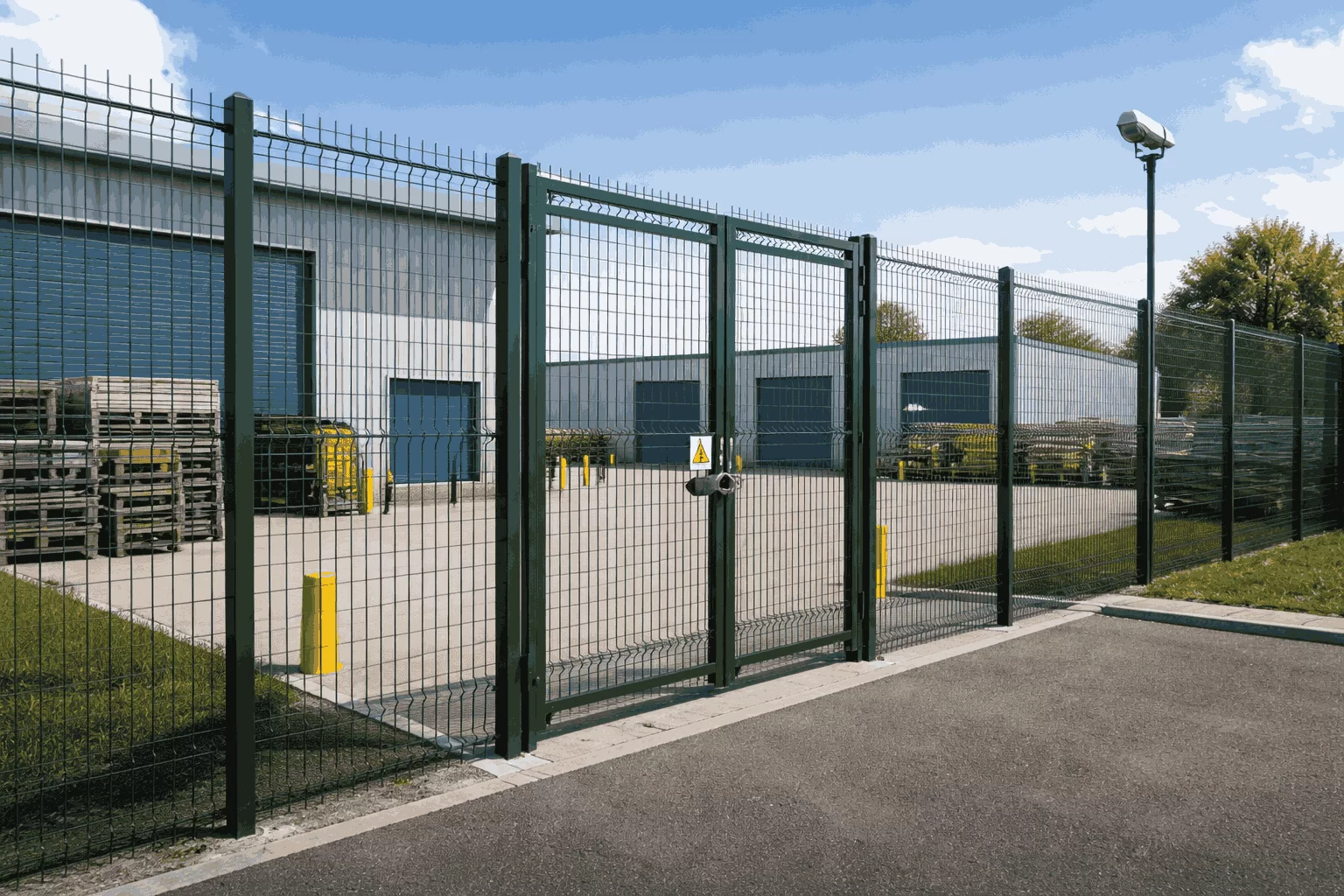
When I talk to customers about site safety, one question comes up again and again: what is a perimeter fence and why does it matter? It’s often the first and most important layer of protection around a site, yet many people aren’t sure how it works or which type they need.
This guide explains the meaning of a perimeter fence in plain terms, the main types available, and the real-world benefits for industrial and commercial sites.
A perimeter fence is a physical barrier installed around the outer edge of a site to control access and protect what’s inside. It clearly marks where a property begins and ends while helping to prevent unauthorised entry, theft and accidental access.
When people ask what a perimeter fence is for, the answer is simple: it creates a controlled environment. Whether it’s a warehouse, factory, yard or commercial premises, perimeter fencing is the first line of defence before anyone reaches buildings, equipment or staff areas.
In practice, a perimeter fence does more than “putting up a fence”. It works by creating a visible boundary that discourages trespass, directing people to controlled entry points, reducing the risk of theft, vandalism or accidents, and supporting other safety measures already in place. That’s why perimeter fence security is so important on sites handling stock, machinery or high-value materials.
People often ask how a perimeter fence helps if it’s “just” a structure. The answer lies in prevention and control. A well-designed fence slows access, limits entry points and makes unwanted activity more visible. Combined with gates, locks and monitored access, it becomes part of a wider safety system rather than a standalone feature. Inside facilities, the same principle continues with machine fencing, machinery guards and safety barriers that protect people once they’re on site.
There’s no one-size-fits-all solution; the right option depends on the risks you need to manage. Common perimeter fence types for industrial and commercial settings include:
Mesh fencing: a popular choice offering visibility, durability and strong security without making a site feel closed off. It also pairs well with internal measures such as mesh partitioning or security cages for layered protection.
Palisade and steel fencing: suited to higher-risk environments. It’s rigid, difficult to climb and a strong visual deterrent.
Modular fencing systems: ideal for evolving sites. Sections can be moved or expanded as layouts change and can align with modular systems used inside factories and warehouses.
Specialist industrial solutions: in complex environments, perimeter fencing may link with warehouse perimeter runs, internal storage cages or controlled access zones around racking and equipment.
A common point of confusion is perimeter fence vs boundary fence. A boundary fence simply marks land ownership; a perimeter fence is designed for protection and control.
Industrial perimeter fencing focuses on safety, compliance and asset protection. It often supports internal systems such as gantry platforms, floor guards and anti-collapse mesh for racking, reducing risk across the facility. Commercial perimeter fencing usually balances security with appearance, protecting staff, visitors and assets while keeping the site approachable and professional.
Perimeter fence benefits that matter day to day include improved security through reduced unauthorised access, clear access control for vehicles and pedestrians, lower risk of theft and damage, better safety for staff and visitors, and long-term cost savings compared with reactive measures. For many businesses, effective perimeter security also helps meet insurance and health and safety expectations.
Perimeter fencing works best when it connects logically with internal safety solutions such as partitioning systems, solid partitions or even warehouse offices that separate people from operational areas. This layered approach improves safety, visibility and workflow rather than simply ticking a box.
A perimeter fence is more than a boundary; it’s a practical safety tool that protects people, property and operations. When designed properly, it becomes part of a wider system that supports efficiency as well as security.
At Billington Safety Systems, we help businesses plan and install perimeter fencing that fits how their site works. From industrial perimeter fencing to integrated safety barriers and internal enclosures, everything is designed for real-world use. As a guide, pricing typically starts from £70–£120 per metre, depending on height, material and site conditions.
If you’d like clear advice and a solution that works long term, get in touch to discuss your site requirements. I’m always happy to help you make the right call.
For more information on What Is a Perimeter Fence? A Complete Guide talk to Billington Safety Systems Ltd