 Get Listed
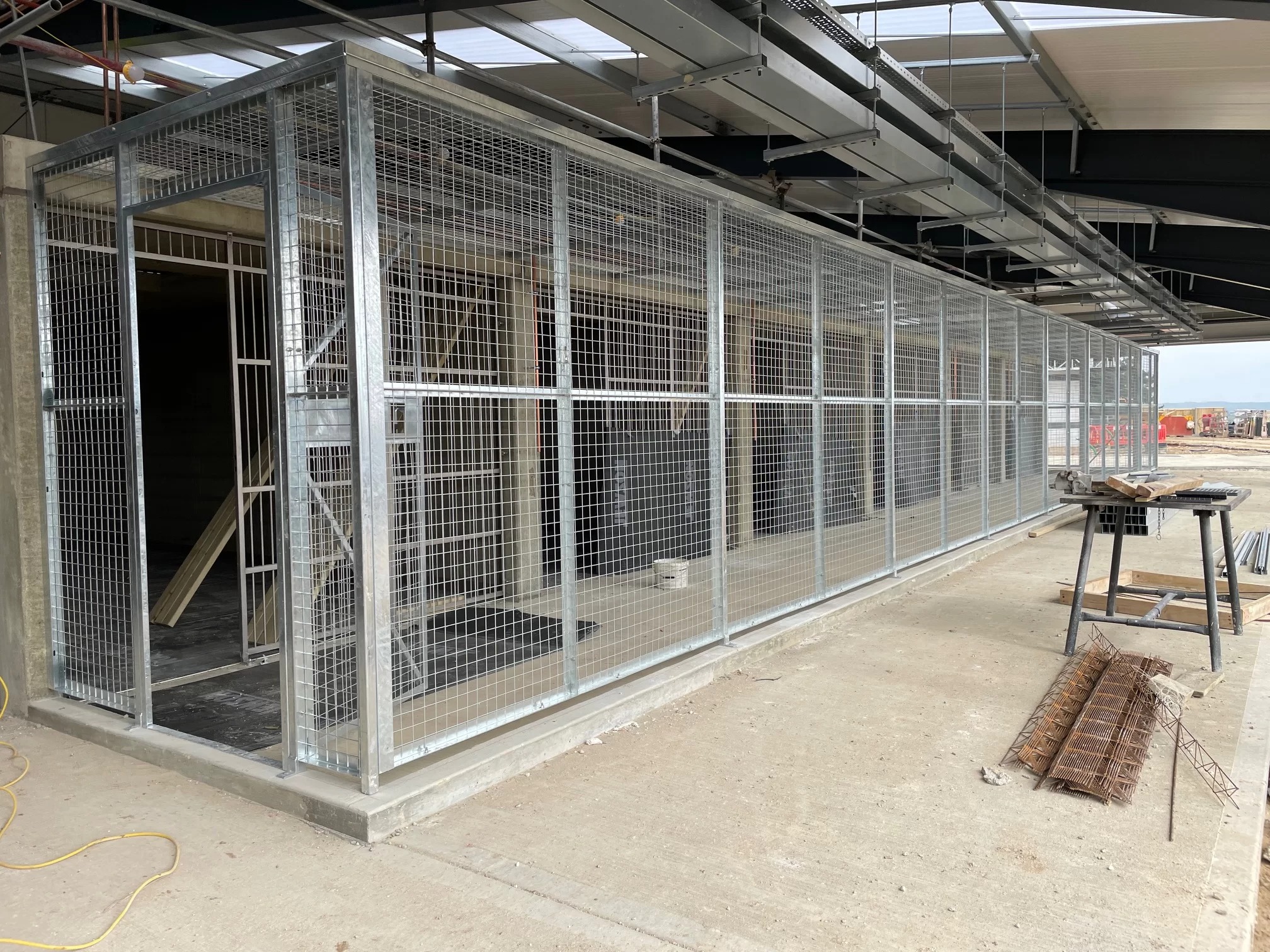
High-value stock and hazardous materials are a constant concern in busy warehouses and industrial facilities. They must be secure, accessible to authorised staff, and stored in a way that supports your wider safety strategy. A well-specified storage cage delivers all three—but the detail of how you design it is where success is won or lost.
What belongs in a secure cage?
Every site is different, but some items almost always benefit from being kept behind mesh or solid panels. High-value stock might include branded goods, electronics, tools, and specialist components that are attractive to thieves. Hazardous materials often include aerosols, gas cylinders, chemicals, oils, and flammable products that must be segregated and controlled. Relying on a standard storeroom or a single locked door rarely works for long; as operations grow, storage cages provide a clear physical boundary that defines who can go where—and make it obvious when someone is somewhere they shouldn’t be.
Planning the location and layout
A secure cage works best when it fits naturally into the flow of your building. Consider staff approach routes, pallet movements, fire exits, and pedestrian walkways.
-
Close to the action, not in the way: Position the cage near areas that use the stock most often, without creating clashes between trucks, pedestrians, and doors.
-
Adequate footprint and height: Billington’s modular mesh or solid panels can be configured for awkward corners, low ceilings, or tall racking runs.
-
Think vertically: For high-value stock, a mesh roof helps prevent access from above and creates a more secure envelope.
Mesh vs solid panels—when to use each
Billington Safety Systems supplies storage cages and enclosures in both mesh and solid steel panel systems, with different security levels to suit the application.
-
Mesh panels allow light, air, and sprinkler water to pass through. They don’t attract dust and make it easy for supervisors to see what’s stored and whether doors are closed correctly. This is usually preferred for general high-value stock, cylinders, and many hazardous goods because it supports ventilation and simple visual checks.
-
Solid panels provide privacy, impact resistance, and an enclosed environment. Sensitive products or high-value branded goods may be better kept out of sight, particularly in shared warehouses.
Both styles can be combined in one project—solid where privacy is needed, mesh where airflow and visibility matter most.
Doors, locks, and access control
The door is often the weak link, so specify more than a basic padlock and hasp. Billington’s systems can be supplied with single or double swing doors, sliding doors, and larger openings compatible with roller shutters or fast-acting doors for frequent pallet movements.
For high-value stock, it’s usually worth moving to a controlled system—digital keypads, lever locks, or integration with your card access system—so you can restrict entry to trained staff and keep an audit trail. Where hazardous materials are stored, access control is also a safety requirement: ensure only personnel with the right PPE, training, and permits can enter.
Special requirements for hazardous materials
Hazardous goods bring specific design considerations, where purpose-designed aerosol cage enclosures and similar systems add real value.
-
Ventilation: Mesh walls and, where appropriate, open or louvred roof sections help prevent vapour build-up and support compliance.
-
Fire strategy: Sliding doors can be held open during normal operation and linked to the fire alarm to close automatically on activation. Fit emergency push-bar exits to allow rapid egress.
-
Segregation: Keep incompatible materials apart with clearly marked, physically separated zones.
Designing the cage around your racking from the outset helps you maximise vertical space while maintaining high levels of protection.
Why work with Billington Safety Systems?
Billington Safety Systems specialises in storage cages, mesh partitioning, and aerosol enclosures for warehouses, factories, and industrial sites across the UK. Modular systems, built from galvanised steel mesh or solid panels with multiple security levels and door options, can be tailored to awkward spaces, existing racking, and specific operational needs. Because Billington also supplies machine guarding, anti-collapse mesh, decking, safety barriers, and other warehouse improvement products, they can assess your facility as a whole rather than treating the cage as an isolated add-on—leading to solutions that are easier to use and more effective at protecting people and assets.
If you’re reviewing how you store high-value stock or hazardous materials, now is the time to look at a properly designed storage cage. Speak to Billington Safety Systems about your layout, the products you need to protect, and the level of security you’re aiming for, and they’ll help turn that wish list into a practical, compliant solution.
For more information on Creating Secure Storage Cages for High-Value Stock and Hazardous Materials talk to Billington Safety Systems Ltd