 Get Listed


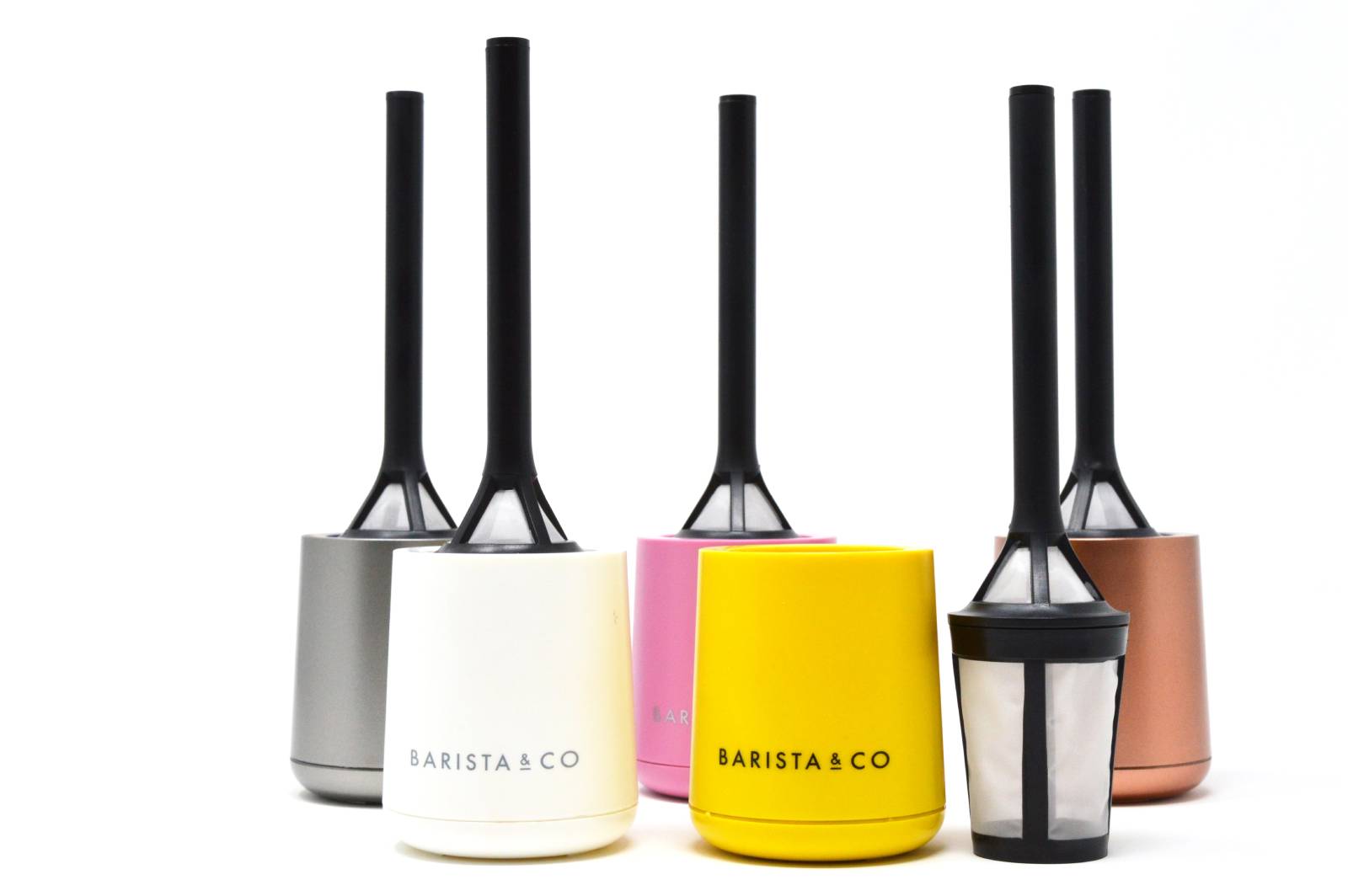
Plastic is a staple material in the food industry – from containers and conveyor components to processing equipment and packaging – the list goes on.
But not just any plastic works for food contact. Food-grade materials need regulatory approval, specific processing, and properties that prevent contamination. The stakes are particularly high, from contamination risks to regulatory penalties and product recalls.
Here’s what characterises food-safe plastic and how to specify the right material for your plastic moulding projects.
What Food-Grade Means
Food-grade plastics have been tested and approved by regulatory bodies for direct food contact.
In the UK and Europe, that means meeting EU regulations (the FDA handles this in the US). These materials are free of chemicals or contaminants that could migrate into food.
There’s a useful distinction – food-grade means suitable for food contact, whilst food-safe means using that material correctly. A container approved for dry cereal isn’t automatically safe for hot soup, for example.
As such, materials must pass migration testing that simulates real conditions, making sure harmful substances don’t transfer into food.
Common Food-Grade Materials
Different plastics suit different applications. Temperature requirements, food chemistry, and intended use all influence which material is best suited to your plastic injection moulding project.
Polypropylene (PP)
Polypropylene appears everywhere – yoghurt cups, cream cheese containers, reusable storage boxes. Its high melting point makes it microwave- and dishwasher-safe. It won’t react with acidic, basic, or liquid foods. Temperature resistance up to 120°C works for both hot-fill and microwave applications.
HDPE (High-Density Polyethylene)
HDPE is the most common household food-safe plastic around. Milk jugs, butter containers, cereal box liners, juice bottles – it appears across food packaging because it resists chemicals and absorbs minimal moisture. The non-porous surface resists bacterial growth whilst handling temperature variations without problems.
PET (Polyethylene Terephthalate)
PET dominates single-use applications such as drink bottles, takeaway containers, and food trays. The material stays stable, resists corrosion, and repels microorganisms. Some PET grades are oven- and microwave-safe, though repeatedly reusing containers can cause chemical leaching.
LDPE (Low-Density Polyethylene)
LDPE works for flexible applications – squeeze bottles for condiments, clingfilm, bread bags. It’s less rigid than HDPE but chemically resistant. The material doesn’t leach toxins at various storage temperatures, though recycled LDPE isn’t approved for food use.
Critical Criteria for Food Contact
There are three key criteria for food contact safety:
- Chemical inertness is central. Food-grade plastics can’t react with the contents they store – acids, bases, oils, alcohols. The injection moulding process uses virgin resins specifically formulated to stay stable during food contact. Recycled plastics face stricter approval because recycling can introduce contaminants.
- Temperature resistance varies by material. Polypropylene handles microwaves. HDPE works for refrigerated storage. PET manages room temperature well, but has limits. Using the wrong material for a given temperature range poses safety risks.
- Hygiene focuses on surfaces. Smooth finishes from plastic moulding resist bacterial growth. Non-porous materials like HDPE and polypropylene don’t harbour microorganisms in tiny imperfections.
Processing and Documentation
The injection moulding process itself affects food safety. Moulds must stay clean. Processing temperatures need to be controlled to prevent resin degradation. Additives like colourants require approval – not all dyes are food-safe.
Virgin resin documentation proves compliance. Each batch should come with certification confirming it meets EU 10/2011 or equivalent regulations. Without proper documentation, you can’t verify that a material is genuinely food-grade.
Working With BEC Group
At BEC Group, we’ve been handling plastic injection moulding for food contact applications for decades.
Our experience covers polypropylene, HDPE, and other food-grade materials across food service, packaging, and food processing equipment. We maintain full documentation for regulatory compliance and can advise on material selection based on your application’s temperature requirements, food chemistry, and intended use.
For more information on Food-Grade Plastics: What Makes an Injection Moulded Part Safe for Food Contact? talk to BEC Group