 Get Listed


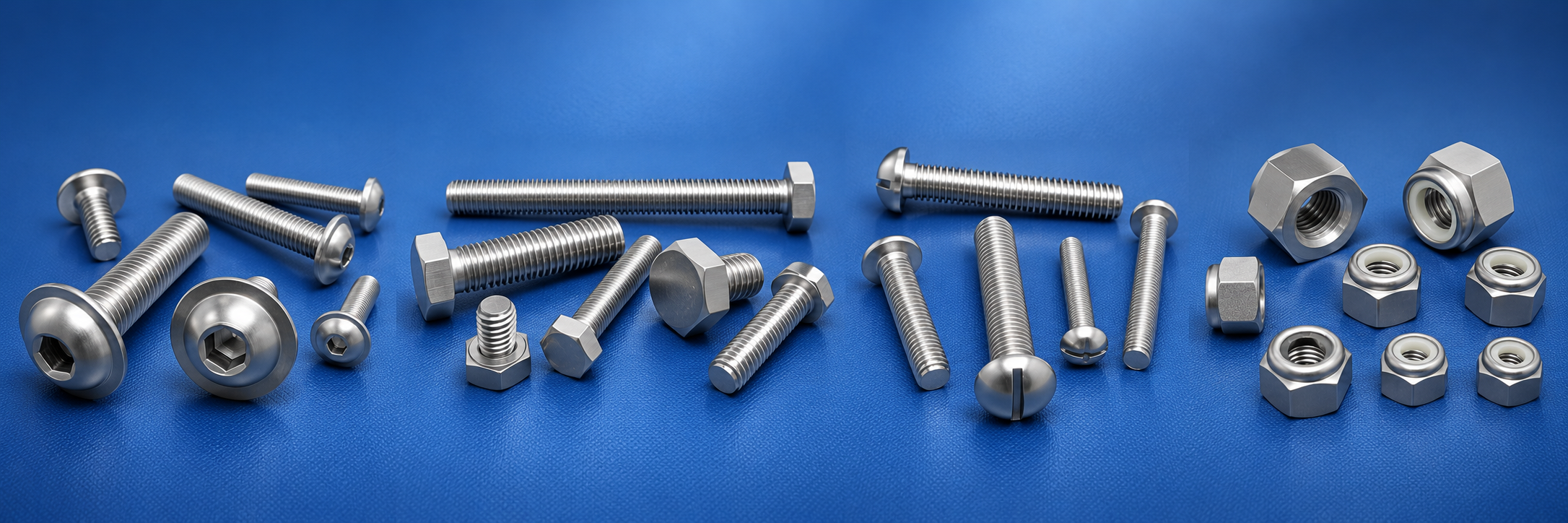
A2 and A4 are the two most common grades of stainless steel used for fasteners. A2 is also known as AISI 304 and A4 as AISI 316. Both are austenitic stainless grades, and standard items are usually available in both, subject to stock.
The main difference is corrosion resistance. According to Avon's technical guidance, A2 offers excellent resistance to atmospheric corrosion, except in severe industrial and marine settings. It resists nitric acid and other oxidising chemicals well, but is generally unsuitable for hydrochloric acid and chlorides, especially where evaporation at high temperatures can occur.
A4 resists corrosion better than A2 in many chemical environments, including dilute sulphuric and acetic acids. It resists staining and pitting in industrial and urban areas and suits marine conditions, although it is not suitable for immersion in seawater.
Typical A2 applications include civil and chemical engineering, food processing, medical and brewing equipment, domestic appliances, cryogenic equipment and building and masonry fixings. Typical A4 applications include boat deck fittings, chemical plant, swimming pools, dye vats, fertiliser, rayon and sewage treatment plants, dairy equipment, medical sterilising equipment and building and masonry fixings.
In practice, many buyers use A2 for general indoor and sheltered outdoor work and step up to A4 for coastal, chemical or chloride exposed applications. Getting that choice right first time avoids rust and early replacement.
This is basic guidance only. For critical applications or stringent specifications, Avon recommends seeking independent advice to confirm the correct grade. Its team is also available for technical advice on +44 (0) 117 972 8560.
For more information on What is the difference between A2 and A4 stainless steel? talk to Avon Stainless Fasteners Ltd