 Get Listed


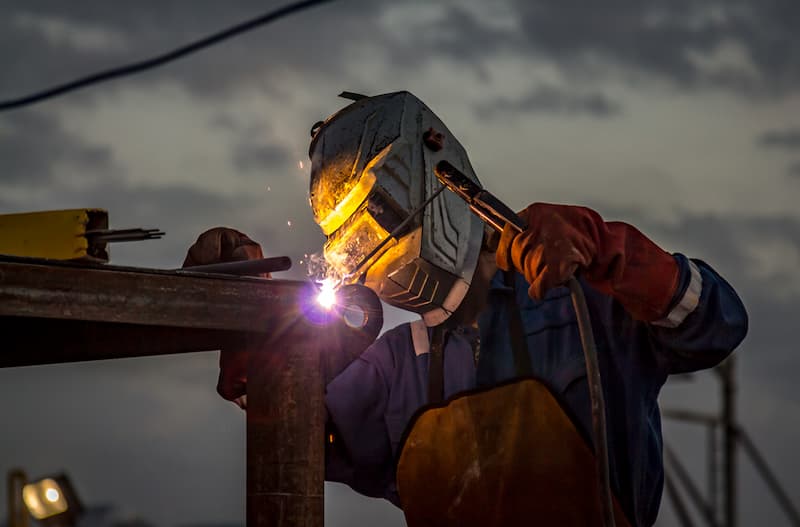
Choosing the correct welding gas is essential for producing strong, clean and reliable welds. Whether welding mild steel in a fabrication workshop or carrying out precision TIG welding on aluminium or stainless steel, the shielding gas used plays a critical role in weld quality, penetration, appearance and efficiency.
As an experienced welding gas supplier in the UK, Adams Gas provides a comprehensive range of rent-free welding gas cylinders suitable for MIG and TIG welding. This guide explains how the most common welding gases, argon, carbon dioxide (CO₂) and oxygen, work individually and in mixtures, helping welders make informed decisions for their applications.
Why Welding Gas Matters
During welding, molten metal is extremely reactive. If exposed to air, elements such as oxygen, nitrogen and moisture can enter the weld pool, leading to porosity, oxidation, brittleness and reduced structural integrity. Shielding gas prevents this by displacing atmospheric air around the arc and weld area.
A correctly selected shielding gas:
- Protects the weld pool from contamination
- Stabilises the welding arc
- Improves penetration and fusion
- Reduces spatter and post-weld cleanup
- Enhances the visual appearance of the weld
Adams Gas supports welders of all levels by supplying high-quality MIG and TIG welding gases through a rent-free cylinder model, making professional-grade gas accessible without long-term rental commitments.
Argon: The Foundation of Many Welding Gas Mixtures
Argon is one of the most widely used gases in welding due to its inert nature. Because it does not chemically react with molten metal, argon provides a stable arc and clean weld environment.
Argon in TIG Welding
Pure argon is the industry standard for TIG welding.
It is commonly used when welding:
- Stainless steel
- Aluminium
- Copper
- Titanium and other non-ferrous metals
Argon allows excellent control of the weld pool, producing smooth, precise weld beads with minimal spatter and little post-weld finishing.
Argon in MIG Welding
In MIG welding, argon is rarely used alone. Instead, it is blended with small amounts of CO₂ or oxygen to improve arc stability and penetration. These mixtures combine argon’s clean welding properties with enhanced arc energy and metal transfer.
Adams Gas supplies a range of argon welding gas options, supporting both high-precision TIG welding and versatile MIG fabrication work.
CO₂: Strong Penetration & Cost-Effective Welding
Carbon dioxide (CO₂) is a popular choice in MIG welding, particularly for mild steel applications. It produces a hotter arc than pure argon, resulting in deeper penetration and strong weld fusion.
Benefits of CO₂ Welding Gas
CO₂ offers:
- Deep penetration for thicker materials
- High productivity and strong arc energy
- Lower cost compared to inert gases
However, pure CO₂ can produce higher levels of spatter, which may increase cleanup time and reduce overall weld appearance.
CO₂–Argon Gas Mixtures
To balance penetration and weld quality, many welders choose argon–CO₂ blends.
These mixtures:
- Reduce spatter
- Improve arc stability
- Maintain adequate penetration
Common blends include argon with 5–25% CO₂, depending on material thickness and welding position. Adams Gas provides a full range of MIG welding gas mixtures to suit general fabrication and specialist applications.
Oxygen: Enhancing Arc Stability in Controlled Amounts
Oxygen is sometimes added to MIG welding gas mixtures in very small quantities, typically between 1–5%. While oxygen is reactive, controlled amounts can improve weld performance.
Why Oxygen Is Used in Welding Gas
Small oxygen additions can:
- Improve arc stability
- Enhance weld pool fluidity
- Support smoother metal transfer
- Increase welding speed
These benefits are particularly useful when welding mild steel or stainless steel. However, oxygen must be carefully controlled, as excessive amounts can cause oxidation and compromise weld strength.
Adams Gas supplies oxygen-enhanced gas mixtures designed to deliver performance benefits without sacrificing weld integrity.
Choosing the Right Mixture for MIG Welding
Selecting the correct MIG welding gas depends on several factors, including material type, thickness and the desired weld finish.
Common MIG Welding Gas Choices
Mild steel fabrication often benefits from argon–CO₂ mixtures that balance penetration and spatter control. Stainless steel applications may use argon with a small oxygen addition to improve fluidity and bead appearance.
Typical choices include:
- 95% argon / 5% CO₂ for clean general fabrication
- 80–85% argon / 15–20% CO₂ for deeper penetration
- Argon with 1–2% oxygen for improved arc stability
Adams Gas supplies a wide range of MIG welding gas options in rent-free cylinders, allowing welders to adapt their gas selection as project requirements change.
Gas Selection for TIG Welding
TIG welding requires a higher level of cleanliness and control compared to MIG welding, making gas selection especially important.
Why Pure Argon Is Preferred
Pure argon:
- Provides excellent arc stability
- Prevents contamination
- Produces clean, precise welds
For most TIG welding applications, argon remains the best and most reliable choice. In specialist cases, helium or argon–helium blends may be used to increase heat input, but these are typically reserved for advanced or high-heat applications.
Adams Gas supplies pure argon TIG welding gas in multiple cylinder sizes, supporting both professional workshops and home welders.
Rent-Free Welding Gas: A Cost-Effective Solution
One of the key advantages of choosing Adams Gas is the rent-free welding gas model. Unlike traditional suppliers that charge ongoing rental fees, Adams Gas allows customers to purchase the cylinder outright.
Benefits of Rent-Free Welding Gas
Rent-free cylinders:
- Eliminate long-term rental contracts
- Reduce ongoing costs
- Are ideal for small workshops and hobby welders
- Allow easy cylinder exchange or refill
Customers can exchange empty cylinders through Adams Gas’s extensive UK stockist network or arrange delivery where available, making gas management simple and flexible.
Choosing the Right Welding Gas with Confidence
Understanding the differences between argon, CO₂ and oxygen is essential for selecting the correct welding gas mixture. Argon provides arc stability and clean welds, CO₂ delivers strong penetration and productivity, and oxygen enhances arc performance when used in controlled amounts.
Adams Gas supplies a full range of MIG and TIG welding gases in rent-free cylinders, giving UK welders reliable access to high-quality gas without unnecessary rental charges. With expert support, flexible exchange options and cost-effective pricing, Adams Gas remains a trusted choice for professional and hobby welders alike.
For more information on Understanding Welding Gas Mixtures: CO₂, Argon & Oxygen Explained talk to Adams Gas