 Get Listed


What a Gearbox Fault Inspection Report Shows
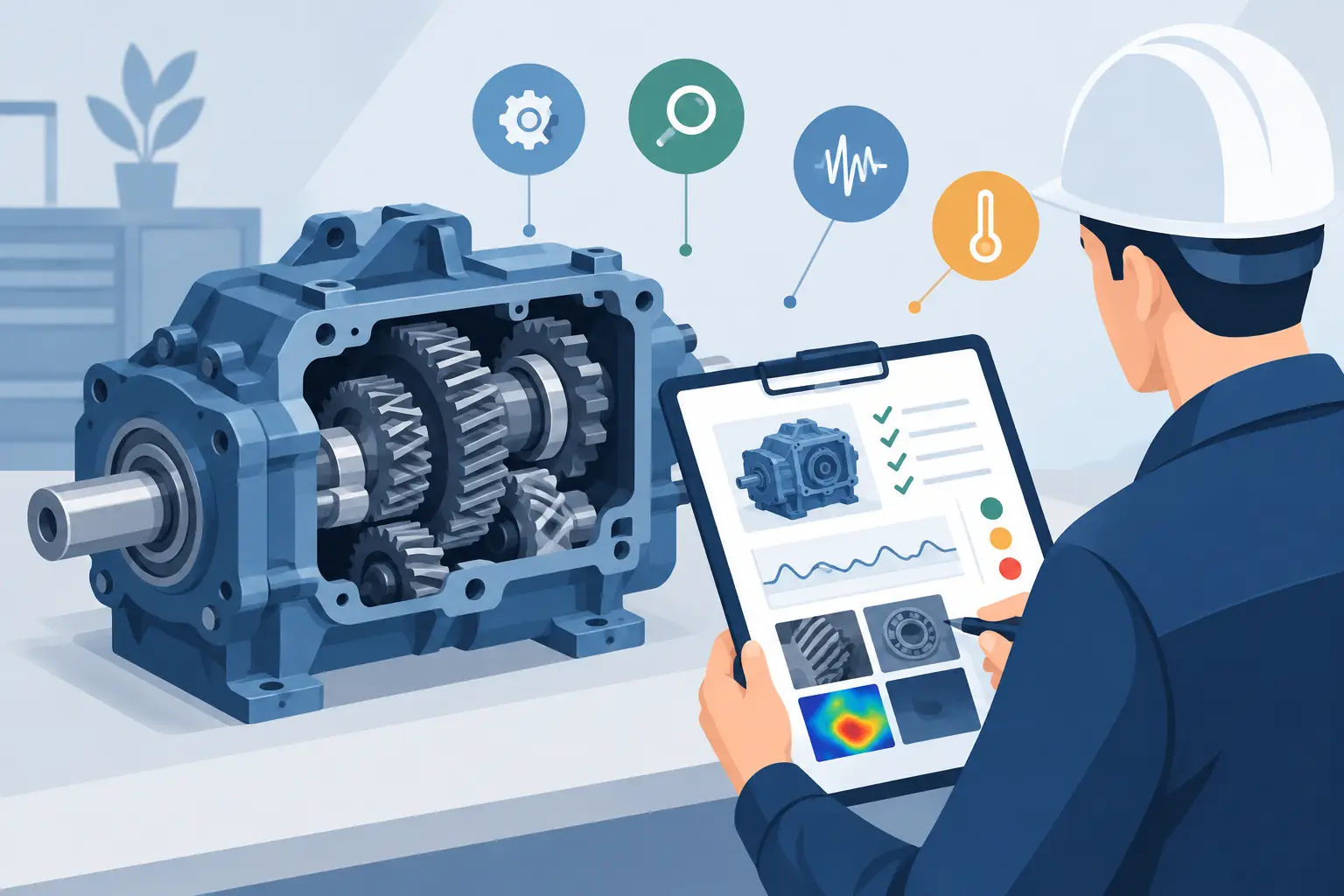
A sudden loss of drive, harsh gear changes or a warning message can leave a vehicle owner facing a costly decision before the underlying fault is even understood. A gearbox fault inspection report provides an independent engineering assessment of what is happening, what evidence supports the diagnosis and whether the condition is consistent with wear, a manufacturing issue, poor repair work or another cause.
That distinction matters. A gearbox may be described as ‘failed’ by a repairer, but that description alone does not establish why it failed, when the fault developed, or who may be responsible for putting matters right. For a warranty claim, a complaint against a supplying dealer, an ombudsman case or court proceedings, clear evidence is far more useful than assumption.
When an independent gearbox inspection is useful
A gearbox inspection is often requested after a garage has recommended a replacement transmission, particularly where the estimated cost is substantial. It can also be appropriate where the vehicle has recently been purchased, is still within a warranty period, has returned from repair with the same symptoms, or is subject to a dispute about whether a fault was present at the point of sale.
Manual, automatic, dual-clutch and continuously variable transmissions each have different operating characteristics and common failure modes. A clutch issue, for example, can be mistaken for an internal gearbox defect. Equally, a transmission fault code does not always mean the gearbox itself is mechanically defective. Low battery voltage, wiring faults, sensor failures, hydraulic pressure concerns, incorrect software calibration and engine-management issues can all affect gear selection or shift quality.
An independent examination is designed to separate observation from opinion. The engineer records the vehicle’s condition and symptoms, considers its history, carries out appropriate checks and explains the reasoning behind any conclusions. The report must follow the evidence, even where that evidence does not support the vehicle owner’s preferred outcome.
What a gearbox fault inspection report should establish
The exact scope depends on the vehicle, the symptoms and the question being asked. A useful report does not simply repeat diagnostic fault codes or state that a transmission needs replacement. It should explain the technical significance of the available evidence.
A thorough assessment may consider the following distinct areas:
the reported symptoms, including when they occur and whether they are repeatable;
the results of a road test, where safe and appropriate;
diagnostic information, live data and fault-code status;
fluid condition, leaks, external damage and relevant mechanical checks;
service records, repair invoices, prior diagnostic work and the vehicle’s mileage;
whether the fault is likely to be progressive, pre-existing or linked to a particular event or repair.
Not every inspection requires dismantling. In fact, dismantling a gearbox before its condition has been documented can remove or alter evidence. An engineer may recommend further strip-down examination where it is necessary to identify an internal failure, but the need for that work should be explained, along with its likely value and limitations.
Symptoms are evidence, but they need context
A delay engaging drive, a judder on take-off, a whine under load or an inability to select certain gears may be significant. Yet symptoms alone rarely identify one cause with certainty. The temperature of the transmission, driving conditions, vehicle load, maintenance history and whether the concern is intermittent can all affect the assessment.
For instance, harsh shifting on a dual-clutch transmission may arise from clutch wear, adaptation values, actuator operation or software-related factors. On a conventional automatic gearbox, a flare between shifts may point towards hydraulic pressure loss, worn internal components or fluid-related issues. The report should identify what is evidenced, what is probable and what would require further investigation.
Fault codes are not a diagnosis by themselves
Modern vehicles generate valuable diagnostic information, but a stored code is a starting point rather than a final answer. Some codes record historic events. Others identify an electrical circuit or a performance value outside its expected range without proving the failed component.
An independent engineer will consider whether codes are current, whether they return after being cleared, whether associated data supports them, and whether the reported driving symptoms correspond with the recorded information. This approach helps avoid expensive replacement of parts on the basis of an untested assumption.
The importance of service and repair history
Transmission maintenance is frequently relevant, although the significance varies between manufacturers and gearbox designs. Some units require periodic fluid and filter changes; others are marketed as having extended or ‘lifetime’ fluid intervals. That wording does not mean maintenance history is irrelevant, particularly where the vehicle has covered high mileage or experienced demanding use.
The report may review whether the correct fluid was used, whether a scheduled service was carried out, and whether prior work could have affected the transmission. A fluid leak after repair, an incorrect fill level, damaged wiring, or missed adaptation procedures can all be material. However, a missing service entry does not automatically prove neglect caused the defect. Engineering conclusions should be proportionate to the evidence available.
This is particularly important in sale-of-goods disputes. A vehicle can have an emerging mechanical fault even if it has been driven for some time after purchase. Conversely, a fault that occurs after sale is not automatically evidence that it was present or developing when the vehicle changed hands. Timing, mileage, symptoms, repair history and the nature of the failure all need careful consideration.
What makes a report suitable for a dispute?
A report intended to support a complaint or formal dispute needs more than technical detail. It must be clear enough for a non-engineer to understand, while being sufficiently reasoned for a dealer, warranty provider, insurer, legal representative or adjudicator to examine critically.
A well-prepared gearbox report will normally identify the vehicle examined, the documents reviewed, the inspection method, factual findings, diagnostic results, photographs where relevant, and the engineer’s opinion. It should also set out any limitations. If the gearbox could not be road tested because it was immobile, or if internal components could not be viewed without dismantling, that should be stated plainly.
Where expert evidence is required for legal proceedings, the duties and format may be more formal. Automotive Consulting Engineers can provide work that is prepared with the requirements of CPR35 and PD35 in mind, including the overriding duty to the court. That duty is fundamental: an expert’s role is to assist the court with independent opinion, not to act as an advocate for the party paying the fee.
For Motor Ombudsman or Financial Ombudsman matters, an impartial, evidence-based report can similarly help clarify the technical facts. It cannot guarantee a particular decision, because those bodies consider the wider circumstances as well as engineering evidence. It can, however, give the complaint a reliable factual foundation.
Questions to ask before authorising gearbox replacement
When a garage recommends a replacement gearbox, it is reasonable to ask how the diagnosis was reached and whether less invasive causes have been ruled out. Request the diagnostic findings, the relevant fault codes and an explanation of the proposed repair. If a warranty provider has declined a claim, ask for its technical rationale in writing.
There are occasions when replacement is plainly justified, such as major internal mechanical damage supported by clear evidence. In other cases, a targeted repair, control-unit investigation, fluid service, clutch work or further testing may be more appropriate. The right route depends on the evidence, vehicle value, likely repair cost and the level of certainty that can be achieved without further dismantling.
Before authorising irreversible work, preserve the available evidence. Keep invoices, estimates, diagnostic print-outs, service records and communications with the dealer or warranty company. If parts are removed, ask for them to be retained where practical. These simple steps can make a substantial difference if questions arise later.
A gearbox problem does not need to become an argument based on competing opinions. A properly scoped independent inspection can establish what can be proved, identify what remains uncertain and help you decide whether repair, negotiation or formal action is proportionate. If you are unsure where to start, an initial conversation with an experienced vehicle engineer can bring welcome clarity - we are just at the end of a phone.
For more information on What a Gearbox Fault Inspection Report Shows talk to Automotive Consulting Engineers Ltd