Why AI Voice Quality Depends on Data You Can Trust
- 16 Jul 2026
- Articles

Buyers aren't the only ones learning to trust AI. Increasingly, the AI systems themselves are only as good as the data they were trained on — and nowhere is that more visible than in voice.
As conversational AI moves into everyday products — assistants, IVR systems, in-car interfaces, customer support bots — the difference between a voice that sounds natural and one that sounds synthetic usually comes down to one thing: the quality and integrity of the voice data behind it.
That shift has a practical implication for anyone building or buying voice AI: sourcing "enough" audio isn't the bar anymore. The bar is sourcing audio that's structured, verified, and ethically obtained.
AI needs clarity, not just volume
Feeding a model more audio doesn't automatically make it better. If the underlying recordings are inconsistent in quality, poorly labelled, or scraped without consent, the model inherits those flaws — flat delivery, mismatched emotion, awkward pacing, or outright legal exposure.
A well-built voice dataset supports the basics a model actually needs:
- Consistent audio quality across every sample
- Accurate, human-verified transcripts
- Clear labelling of tone, emotion, and delivery style
- Documented consent and licensing for every recording
- Coverage across accents, languages, and speaking styles
This In short, a good dataset translates raw speech into something a model can reliably learn from — the audio equivalent of a clean, well-structured listing.
Structure is what makes voice data usable at scale
The reason ad hoc audio scraping keeps producing disappointing AI voices is the same reason inconsistent web listings confuse AI search: without structure, there's nothing reliable to learn from.
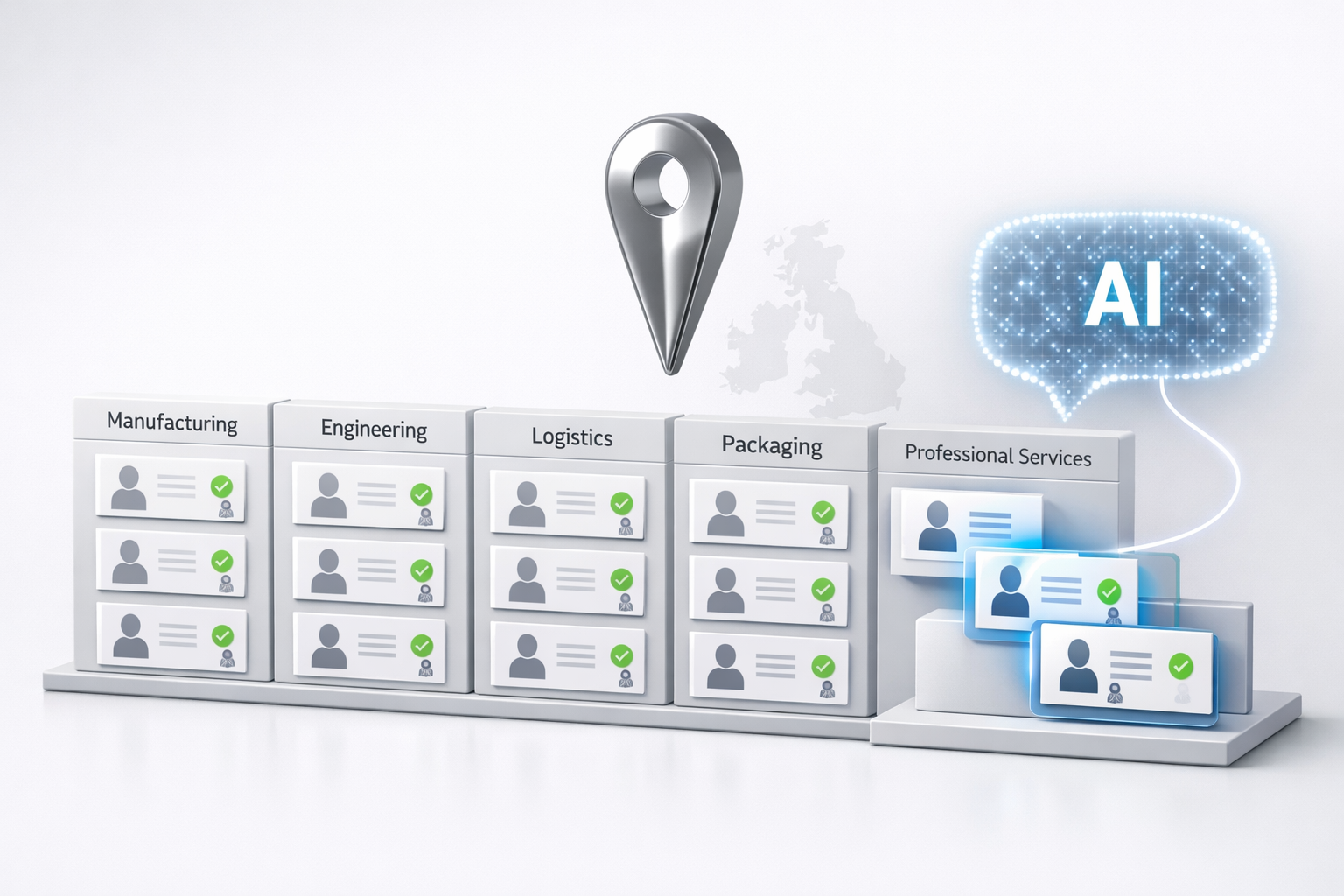
Organised datasets — tagged by speaker demographics, emotional range, accent, and context — let a model generalise properly instead of overfitting to whatever happened to be in the training set. That structure is what allows a voice AI product to sound natural across a wide range of real-world requests, not just the ones it happened to see in training.
Trust and provenance matter more than ever
Just as buyers now expect verifiable credentials before they'll trust a supplier, regulators, enterprises, and end users are increasingly asking where an AI voice actually came from.
Was the speaker's consent obtained? Is the recording licensed for this specific use? Can the source be traced if a question comes up later?
Datasets built on real, consenting human contributors — rather than scraped or synthetic shortcuts — hold up to that scrutiny. They reduce legal risk for the companies deploying the model and produce a noticeably more natural-sounding result, because the training input was expressive and human to begin with.
Why this influences which vendors get shortlisted
Enterprises evaluating voice AI vendors are starting to ask about data provenance the way they'd ask a supplier about certifications. A vendor that can show a documented, consent-based, voice dataset sourcing process has an easier time clearing procurement and legal review than one that can't answer where its training audio came from.
That's pushing more of the market toward specialist providers who treat dataset creation as its own discipline — sourcing, labelling, consent, and quality control — rather than a side effect of scraping the open web.
The takeaway
AI voice quality isn't just a modelling problem. It's a data sourcing problem. As voice AI becomes a bigger part of how businesses interact with customers, the organisations building or buying that technology will increasingly favour datasets they can verify, license cleanly, and trust — the same instinct that's reshaping how AI evaluates suppliers everywhere else.