When a Simple Fall Becomes a Medical Emergency: The Warning Signs Everyone Misses
- 10 Nov 2025
- Articles
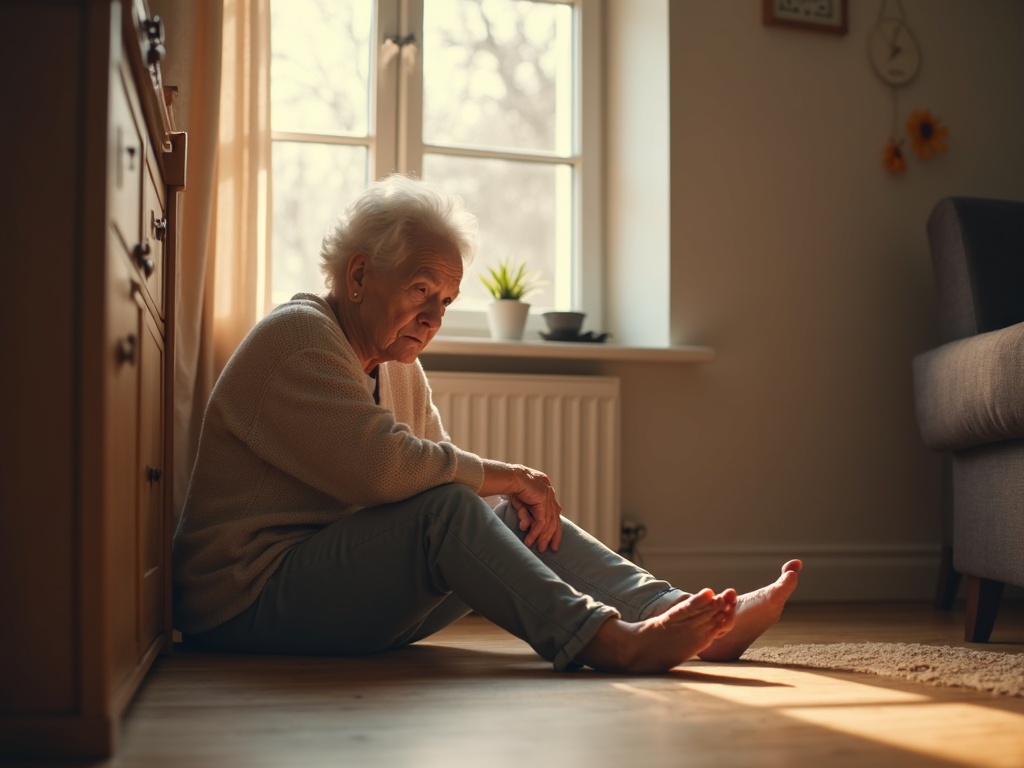
Most falls seem harmless at first. A stumble in the kitchen, a slip getting out of bed, maybe a trip over the living room rug. The senior gets up, brushes themselves off, and continues with their day. But here's what catches families off guard: some of the most dangerous falls are the ones that don't look serious at the moment they happen.
The truth is, not every fall requires a trip to the emergency room. But knowing which ones do can literally save a life. The problem is that many of the warning signs show up hours or even days later, long after everyone has stopped worrying about it.
The Head Injury That Doesn't Hurt Right Away
When an older adult hits their head during a fall, the immediate reaction is often to check for bleeding or a visible bump. If there's nothing obvious, most people assume everything is fine. But older adults are at higher risk for something called a subdural hematoma, which is bleeding between the brain and skull that develops slowly over time.
Blood thinners, which many seniors take for heart health, make this risk even higher. Someone can fall on Monday, feel perfectly fine, and then start showing confusion or balance problems on Wednesday. By the time the symptoms appear, the bleeding has been happening for days.
Watch for these delayed signs after any fall that involves hitting the head: increasing drowsiness, confusion that wasn't there before, severe headache that gets worse, difficulty walking or talking, or one pupil looking larger than the other. These symptoms can show up anywhere from hours to weeks after the initial fall.
When "Just Bruised" Means Something Worse
A painful hip or wrist after a fall gets written off as bruising more often than it should. Here's the thing about older bones: they can fracture without the dramatic pain levels that younger people would experience. Osteoporosis makes bones brittle enough that what feels like a bad bruise might actually be a crack or break.
Hip fractures are particularly sneaky because seniors can sometimes still walk on them, at least for a little while. The pain might seem manageable at first, especially if the person is trying to avoid making a fuss. But an untreated hip fracture can lead to serious complications including blood clots, pneumonia, and significant loss of mobility.
Red flags include pain that gets worse instead of better after a couple of days, inability to put weight on one side, or pain that shoots down the leg when trying to move. Wrist fractures often get ignored too, especially if the person can still move their fingers. But a broken wrist that heals wrong can permanently affect someone's ability to do everyday tasks.
The Breathing Problem Nobody Connects to the Fall
This one surprises people. A senior falls, maybe lands on their side or back, and seems fine apart from some soreness. But a day or two later, they're short of breath or have chest pain. What happened? Rib fractures are common in falls, and broken ribs in older adults can lead to pneumonia because the pain makes it hard to take deep breaths and cough properly.
When breathing becomes shallow to avoid pain, mucus builds up in the lungs and creates an environment where infection can take hold. This is especially dangerous for seniors who already have respiratory issues or weakened immune systems.
Signs to watch for after a torso injury include breathing that seems more difficult than usual, pain when taking deep breaths, persistent cough, or fever developing a few days after the fall. These symptoms warrant immediate medical attention because pneumonia can escalate quickly in older adults.
Getting Help Fast When It Matters Most
The window between when a fall happens and when help arrives can determine the outcome. Many seniors worry about being a burden or feel embarrassed about needing assistance, which leads to dangerous delays in getting care. Having an emergency call button for falls means help can be summoned immediately, even if the person is disoriented or unable to reach a phone.
What makes the difference is being able to call for help the moment something feels wrong, not hours later when symptoms have gotten worse. For seniors living alone, this kind of immediate access to emergency response removes the guessing game about whether something is serious enough to warrant help.
The "I'm Fine" That Isn't Fine
Seniors often downplay their symptoms after a fall, sometimes because they don't want to worry family members, and sometimes because they genuinely don't realize how serious things are. Confusion itself can be a symptom of a serious injury, which creates a dangerous cycle where the person most in need of help is the least likely to recognize it.
Family members and caregivers need to trust their instincts. If something seems off after a fall, even if the senior insists they're okay, it's worth getting checked out. Changes in behavior, increased confusion, sleeping more than usual, or loss of appetite can all signal that something more serious is happening beneath the surface.
The Follow-Up That Gets Skipped
Even falls that seem minor should be mentioned to a doctor at the next appointment. What looks like a one-time incident might actually be part of a pattern that points to an underlying issue such as medication side effects, inner ear problems, or cardiovascular issues that need attention.
Keeping a record of falls, including what time of day they happened and what the person was doing, can help healthcare providers identify patterns and risk factors. Sometimes the fall itself isn't the main problem, it's a symptom of something else that needs to be addressed.
Recognizing the Real Emergencies
Some situations require immediate emergency care, no questions asked. Call for help right away if a senior experiences loss of consciousness, even briefly, severe bleeding that won't stop with pressure, obvious deformity of a limb, inability to move an arm or leg, severe pain, neck or back pain after a fall, or vomiting after hitting their head.
But remember that serious complications can also develop gradually. Monitoring for changes in the hours and days after a fall is just as important as the immediate response. The most dangerous assumption is that because everything seemed fine at first, everything will continue to be fine.
Falls happen to seniors, and not all of them lead to serious injury. But knowing what to watch for and when to seek help can make all the difference between a close call and a tragedy. The warning signs are there, they're just easy to miss if nobody knows to look for them.