The Rise of the Agile Artisan and the Micro-Manufacturing Revolution
- 01 Apr 2026
- Articles

Source: Unsplash
The fashion industry is traditionally all about volume-first. But global supply chain instabilities and evolving regulations on textile waste have put new pressures on the sector to break from the norm. Instead of offshore mass production and long lead times, a new business model has emerged that champions local, small-batch studios.
Prioritising agility over scale, this age of the fashion micro-manufacturer is allowing brands to produce only what sells, reducing inventory risk and environmental impact. In the UK, this has led to a quiet revolution within the industry, and a growing number of ambitious entrepreneurs are successfully finding their niche.
Katarina Protsack is one of them. Founder of Blue Nude, she says the business grew from a dual dilemma. A proud supporter of ethical sourcing and sustainability, she felt frustrated by what she saw as systemic indifference to both concerns. Her made-in-London brand was founded on an ambition to plug this gap in the market.
Blue Nude really started to make its mark last year when it debuted at London Fashion Week in February before participating in the British Fashion Council's Low Carbon Transition Programme in March. It also focused on growing its online presence, complementing new promotions with exclusive discounts. A success for other online brands, from fashion outlets like Adidas’s money-off for customers signing up to its adiClub membership programme, to iGaming platforms offering free spins to play casino titles like Pinball Jackpot, Blue Nude launched a newsletter promo, giving new subscribers 10% off. This has helped the brand broaden its reach, and has seen it featured in Forbes, The Guardian and Service95.
Solving the Dead Stock Dilemma
Source: Unsplash
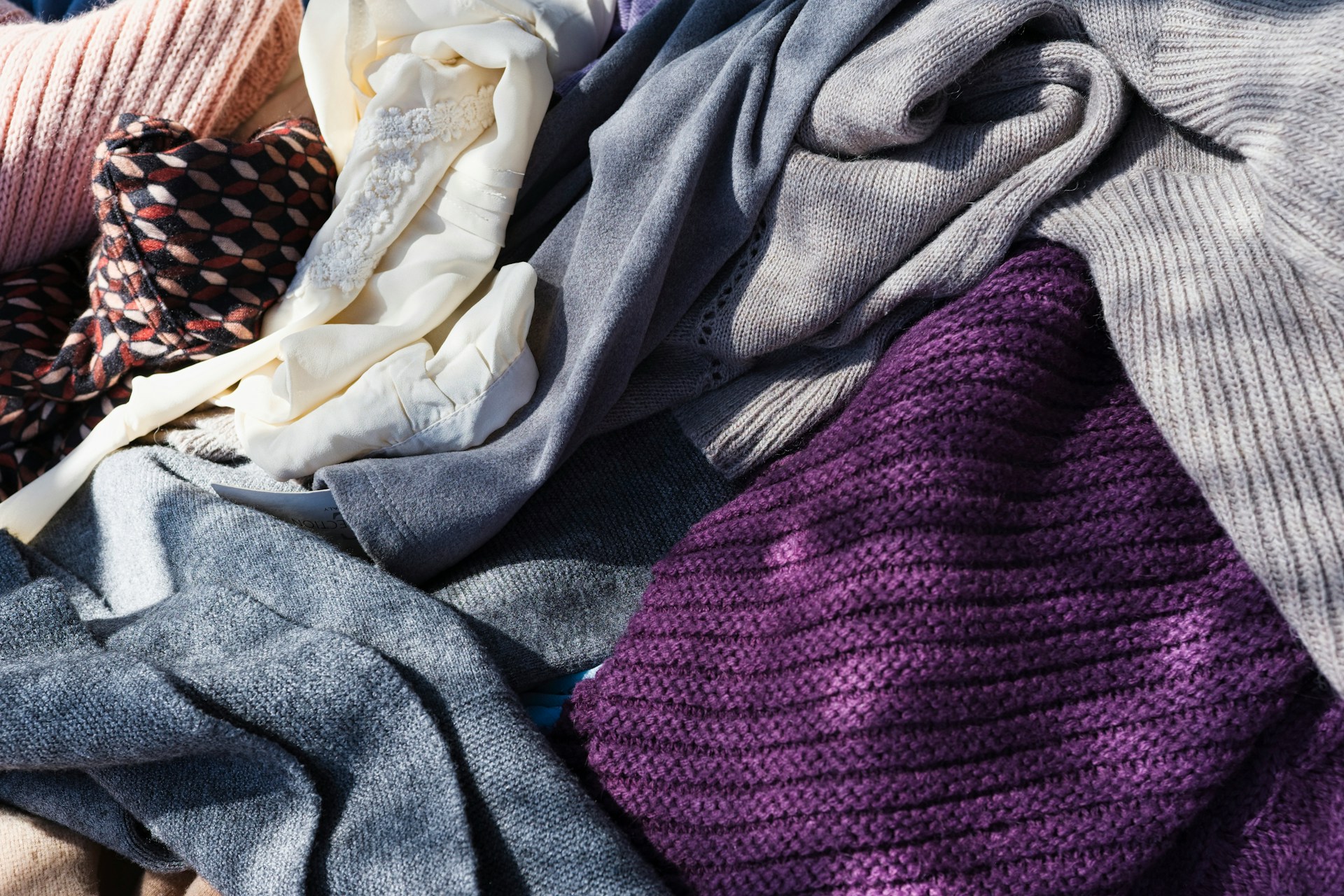
The success of this movement lies in its ability to solve the deadstock dilemma, where billions of pounds in unsold inventory are traditionally destroyed or landfilled. By keeping production close to home, often within the same city as the design studio, these businesses can pivot from concept to shelf in weeks rather than months.
With Blue Nude, the company has effectively inverted the traditional sustainable design model. Rather than starting with eco-fabrics and settling for muted tones, the brand leads with a vibrant, art-forward aesthetic. Protsack’s use of deadstock alongside recycled and organic materials underlines her determination to manufacture clothing sustainably without compromising on the bold, avant-garde forms that distinguish the brand. Furthermore, she is accomplishing this with a proud localised production cycle. By maintaining a close, collaborative relationship with production studios and adhering to small-batch manufacturing, Blue Nude has optimised a supply chain that is both agile and transparent.
Protsack’s success is just one example. Damson Madder, which launched in 2020 by founder Emma Hill and reported year-on-year growth at over 400%, found its niche by pairing recycled materials with high-detail, viral aesthetics. Hill told Hunger that she felt there remained a stereotype around the word “sustainable” but that Damson Madder was part of a new breed breaking the mould and challenging perceptions. The company has earned praise for bridging the gap between small-batch design and major B2B retailers like Selfridges.
The designer Phoebe English is another to have enjoyed success. A pioneer in the circular studio model, English has moved her entire production toward regenerative practices, utilising plant-based dyes and local London craftsmanship to ensure every garment is fully traceable and eventually compostable. Hop over to Hackney, and you’ll find another prime example in Louise Markey’s Meadows. The brand utilises a slow-fashion ethos to produce romantic, neo-Victorian forms in small runs. By targeting a specific, cult-like niche, the brand has eliminated overproduction while maintaining high ethical standards.
A Reckoning for Mass Production
Mass production may well be facing a reckoning. As innovators like Blue Nude, Damson Madder, Phoebe English and Meadows prove, the future belongs to those who can adapt quickly to market conditions. By embracing micro-manufacturing and localised supply chains, these brands are fulfilling the ethical ambitions of their founders and establishing a new, leaner and more resilient commercial reality.