How VR is totally changing remote work and online learning
- 17 Dec 2025
- Articles
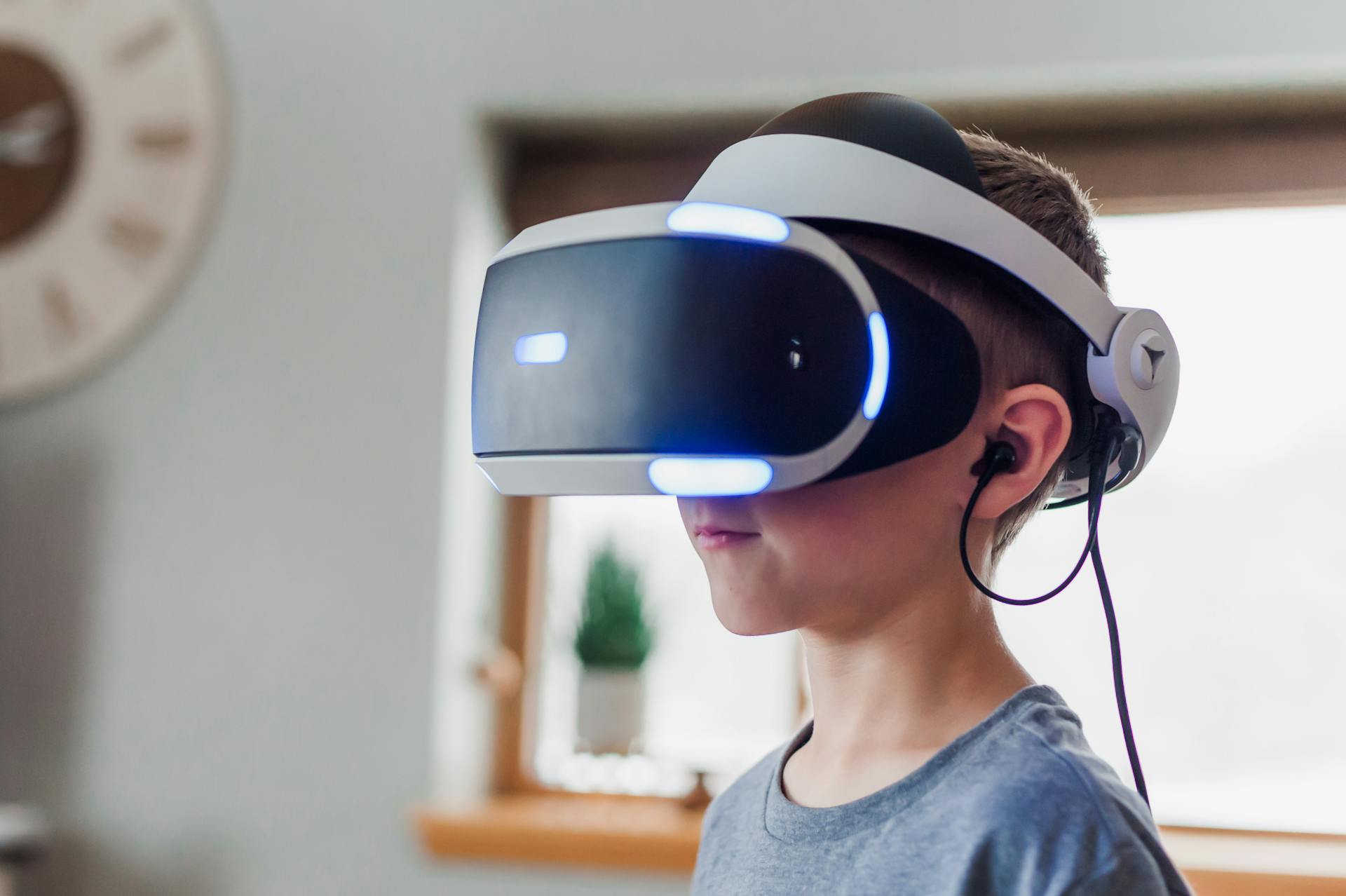
Photo by Jessica Lewis 🦋 thepaintedsquare
The way we work and learn is flipping on its head, and tech is running the show. VR isn’t just for gamers anymore—it’s creeping into offices and classrooms, making remote work and digital learning way more interactive. Basically, VR lets you step into a fully immersive world where it feels like you’re actually there, even if you’re sitting on your couch. It bridges that gap between people who are miles apart. Seriously, it’s like teleporting into the office or classroom without leaving home.
VR in the digital workspace
Take the Meta Quest 3 Work & EDU, for example. This thing isn’t just a fancy headset—it’s built to make remote work feel alive. Think virtual meeting rooms, whiteboards you can doodle on, and sharing docs in real time like you’re all in one office. It’s perfect for brainstorming sessions or quick check-ins, and it actually makes people feel connected. And yeah, it saves a ton of time since there’s no commute or awkward Zoom lag.
One cool thing about VR is that it adds a human touch. You can see gestures, facial expressions, and reactions in ways a normal video call just can’t capture. So, even if you’re remote, it feels way more like being there. No more “talking to a screen” vibes—this is legit immersive.
VR in learning
VR isn’t just killing it in offices but it’s also shaking up classrooms. Schools and universities are starting to use it to make learning hands-on. And way more engaging. Students can explore ancient cities, dive inside a human body, or even step onto other planets—all without leaving the classroom. It’s kinda like a field trip, but without buses, permission slips, or cranky chaperones.
It also makes stuff stick better. When students experience something instead of just reading about it, they remember it. Like, walking through a Roman forum or seeing a chemical reaction up close makes it click in a way textbooks can’t. And the best part? It’s risk-free. You can make mistakes and learn from them without breaking anything.
Breaking the myths
A lot of folks assume VR is super complicated or only for tech nerds. That’s not true. The Meta Quest 3 Work & EDU, for instance, is super user-friendly. You don’t have to be a tech wizard to set it up or get rolling. Even if you’ve never used VR before, the interface is intuitive and easy to navigate. So basically, anyone can jump in and start working or learning without freaking out about the tech.
The future of VR work and learning
VR is still in its early days in offices and schools, but it’s growing fast. As the tech improves and gets cheaper, more companies and schools will jump on board. COVID kinda forced everyone to rethink remote work and online learning, and VR fits perfectly into that shift. It’s not replacing real offices or classrooms—it’s enhancing them.
Down the road, you’ll probably see hybrid setups, where half your team is in person and the other half is chilling in VR. Or students might do virtual labs before hitting the real ones. It’s all about boosting the experience—making work and learning interactive, fun, and just straight-up better.
The bottom line? VR is leveling up remote work and digital learning in ways we never imagined. Tools like VR headsets are leading the charge, giving people a way to collaborate, learn, and connect like never before. It’s changing the game, and honestly, once you try it, you’ll wonder how we ever did this stuff the old way.