How to handle international shipping for your business
- 24 Nov 2025
- Articles
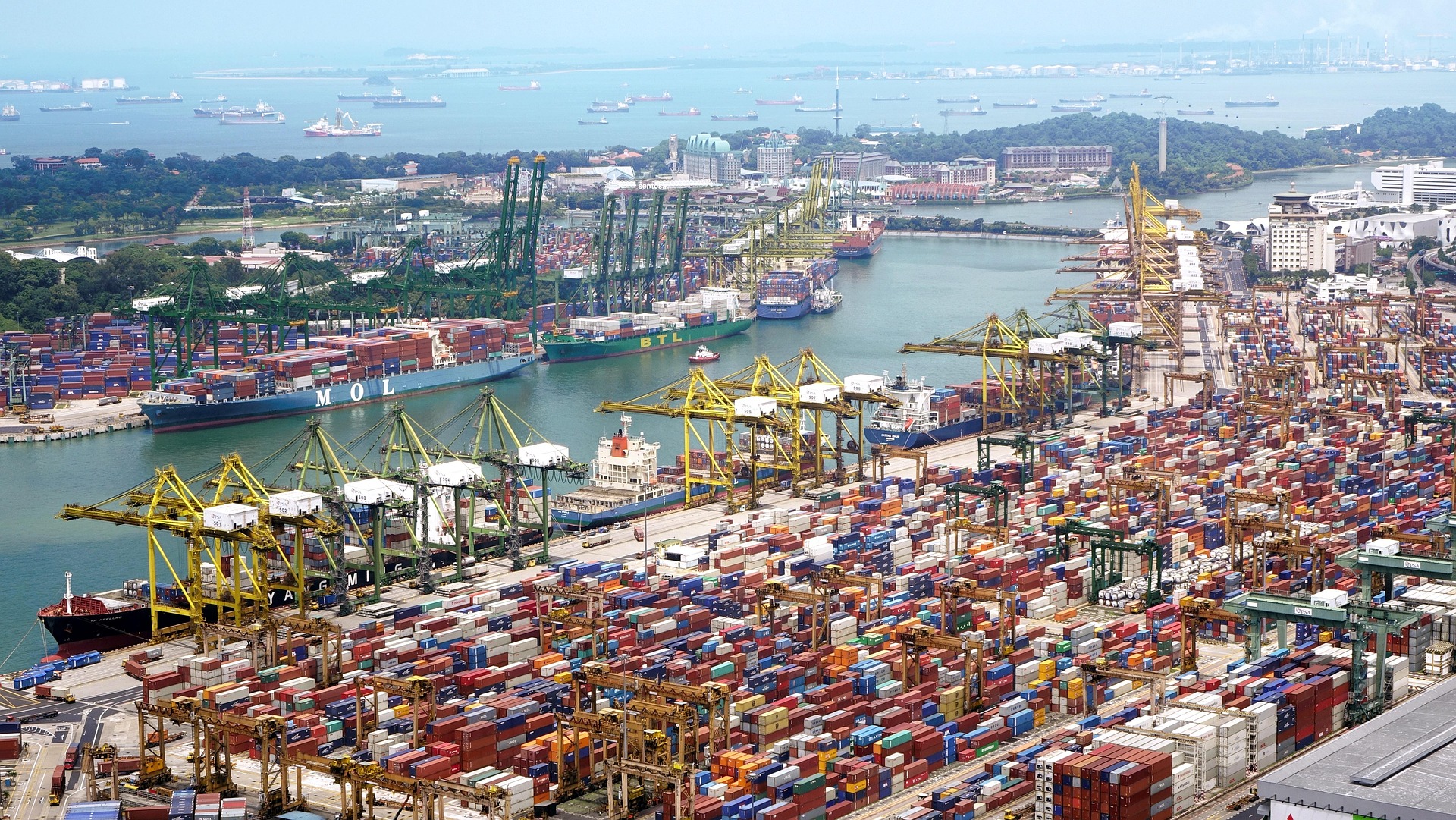
Image by Jason Goh from Pixabay
These days, running an online business isn’t just about selling locally. Plenty of companies are spotting the chance to reach customers across the globe. But here’s the kicker: shipping internationally isn’t as simple as slapping a label on a box. You’ve got customs, duties, shipping costs, and making sure your products actually arrive in one piece and on time.
Getting to grips with international shipping
Shipping abroad is a whole different ball game compared to domestic deliveries. Every country has its own rules — from import restrictions to taxes. Get one thing wrong, and your shipment could be delayed, fined, or even rejected. That’s why it pays to get the right help. Companies like www.salesupply.com
specialise in this. They know how to navigate international logistics, customs rules, and local market quirks, taking the stress off your shoulders so you can focus on growing your business.
Working out your shipping costs
Shipping costs can make or break your international sales. You’ve got to factor in transport, insurance, and any import duties or taxes. Underestimating these can eat into your profits fast. A good tip is to use software that automatically calculates costs depending on the weight, size, and destination of your products. That way, you can price things properly and avoid nasty surprises later on.
E-commerce companies often lose margins by shipping internationally from a single warehouse. By organising fulfilment regionally, you shorten delivery times, reduce shipping costs and increase international revenue.
Picking the right shipping method
There’s no one-size-fits-all solution here. Air freight is fast but pricey, whereas sea freight is cheaper for heavy or bulky items but takes longer. Rail and road transport can be a middle ground depending on the route. The key is matching your method to your product type, your budget, and how quickly customers expect delivery. Perishable or delicate items will need extra care, so make sure your shipping method can handle that.
Dealing with customs declarations
Every international shipment needs a customs declaration — basically a detailed list of what’s in the package, its value, and why it’s being shipped. Customs officials use this info to calculate duties and decide if the shipment can enter the country. Mistakes here can cause delays, fines, or even returned shipments. It might feel like a chore, but getting it right saves a lot of headaches down the line.
Keeping up with trends
E-commerce is constantly evolving, and international shipping is no exception. Cross-border shopping is booming, with more consumers buying from overseas retailers than ever. Businesses are responding by offering international delivery, multiple currencies, and websites in different languages.
Another trend? Customers want fast, transparent shipping. They expect real-time tracking and accurate delivery times. Some companies are even trialling drones or click-and-collect to speed things up. If your shipping isn’t on point, you risk losing customers to competitors who make it easy.
Common mistakes to watch out for
One big mistake is not doing your homework on import rules in the countries you’re shipping to. Shipments can get held up or returned if you’re not careful. Another is miscalculating shipping costs — it can really hurt your margins.
And don’t underestimate tracking. Modern shoppers expect to follow their order every step of the way. Not providing that can make your business seem sloppy and hurt your reputation.
Wrapping it up
Expanding internationally can feel daunting, but with the right preparation, it’s totally doable. Nail down your shipping strategy, get the right support from partners, and keep a close eye on what your customers want. When you plan carefully and have reliable partners like www.salesupply.com on board, shipping abroad doesn’t have to be a nightmare — it can be a proper boost for your business. Platforms like this support the international expansion of online brands and retailers.