Hire vs Buy: When Renting Spray Equipment Makes Commercial Sense
- 12 Mar 2026
- Articles
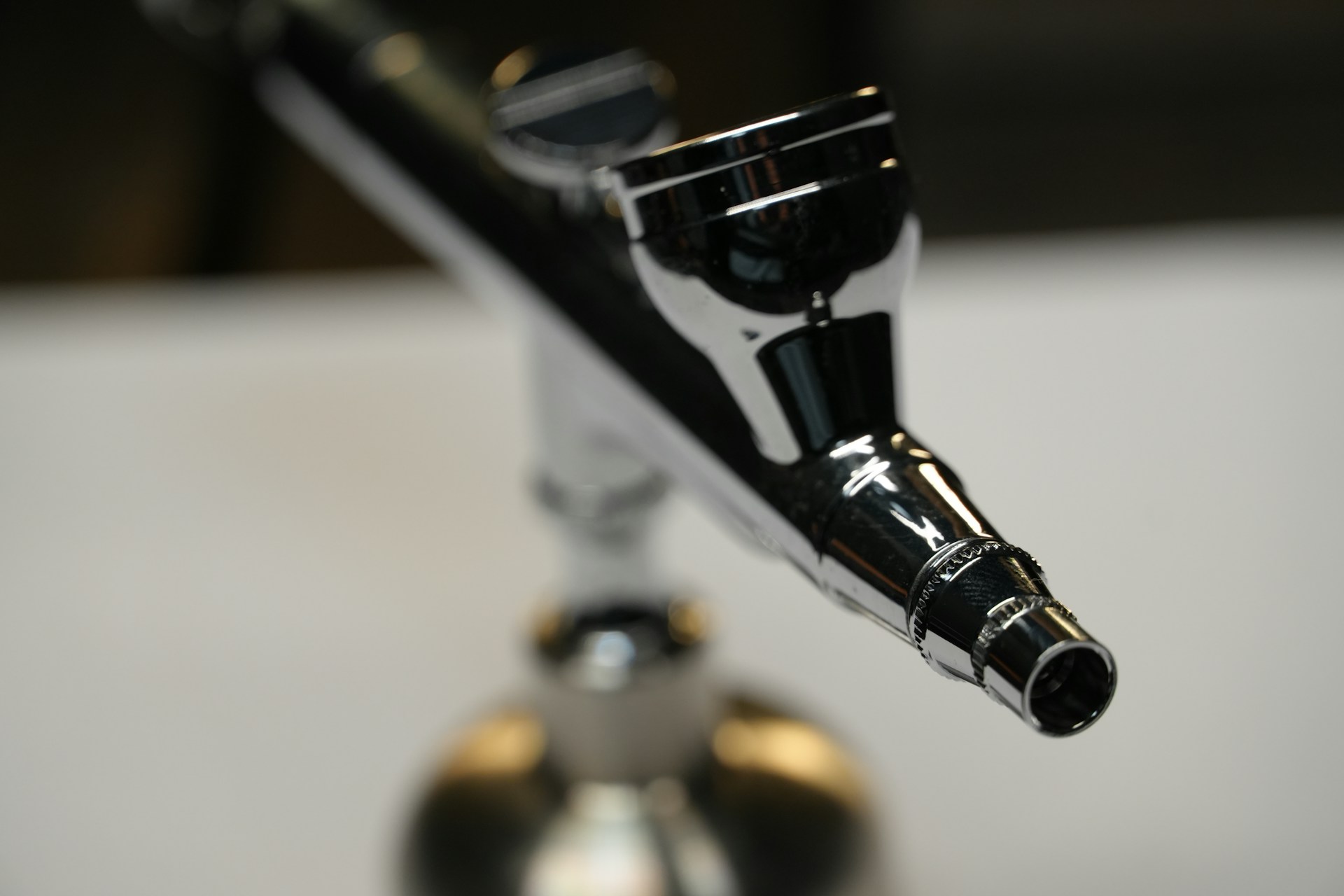
Photo by Planet Airbrush on Unsplash
For many contractors and property professionals, equipment decisions are no longer purely operational. They are financial decisions that affect cash flow, project flexibility, and long-term profitability. Spray equipment is a good example. While ownership can make sense for some businesses, hiring often provides a smarter commercial solution depending on workload, contract profile, and growth plans.
Understanding when to hire and when to buy is not about preference. It is about aligning equipment strategy with business objectives.
The capital expenditure question
Purchasing professional spray equipment requires upfront capital. For contractors managing tight margins, that capital could otherwise be deployed elsewhere in the business, whether that is additional labour, marketing, vehicles, or tendering for larger projects.
In recent years, rising material prices and broader economic pressures have placed additional strain on the construction sector. Data published by the Office for National Statistics continues to show fluctuations in construction output and cost pressures across the industry. In this environment, preserving liquidity and controlling fixed costs have become increasingly important.
Hiring converts a capital expenditure into an operational cost. Instead of committing funds to an asset that may sit idle between jobs, businesses pay only for the period they require the equipment. This approach improves short-term cash flow and reduces financial exposure, particularly for smaller firms or those operating in variable markets.
Matching equipment to project demand
Spray equipment requirements vary significantly depending on the project. A contractor completing occasional large-scale refurbishments may not need high-performance airless systems year-round. Purchasing specialist equipment for intermittent use can lead to underutilised assets and unnecessary storage and maintenance costs.
Hiring allows businesses to scale up capability when required. Whether taking on a large commercial repaint, a multi-unit residential refurbishment, or a time-sensitive fit-out, access to the right equipment at the right time improves delivery without permanent overhead.
This flexibility is particularly valuable for contractors bidding for larger contracts. The ability to secure professional-grade equipment for the duration of a project can support competitive pricing without long term financial commitment.
Reducing maintenance and downtime risk
Ownership brings responsibility. Spray equipment requires regular servicing, cleaning, correct storage, and periodic replacement of components. Downtime due to pump failure, worn tips, or motor issues can disrupt schedules and impact client relationships.
Hiring reduces that risk. Reputable hire providers maintain and test equipment before dispatch, ensuring it arrives at the site ready. If an issue arises, replacement options are typically available quickly, minimising disruption.
For businesses without dedicated workshop capacity or technical support in-house, this can represent a significant operational advantage.
Keeping pace with technology
Spray technology continues to evolve. Improvements in efficiency, pressure control, and finish quality mean newer systems often outperform older models. Owning equipment long-term can result in using outdated machinery that limits productivity.
Hiring allows contractors to access modern equipment without reinvesting every few years. This can be particularly relevant when working on high specification commercial projects where finish quality and speed are critical.
Access to up-to-date systems also enhances credibility when working with developers, facilities managers, and main contractors who expect professional standards.
Seasonal and cyclical considerations
Many decorating and refurbishment businesses experience peaks and troughs. Seasonal demand, framework agreements, or reactive maintenance contracts can create periods of intense activity followed by quieter months.
Owning multiple spray systems to cope with peak demand may not be commercially sensible if they remain unused during slower periods. Hiring provides a way to increase capacity temporarily without carrying year-round costs.
For property management companies overseeing portfolio upgrades or scheduled redecoration programmes, hire arrangements can align neatly with planned works cycles.
A balanced approach
Some contractors adopt a hybrid strategy. Core equipment that is used consistently is owned, while additional or specialist systems are hired as required. This model offers stability without sacrificing flexibility.
In the UK, for businesses exploring this route, specialist suppliers Spray Plant provide access to professional paint sprayer hire services, allowing contractors to secure appropriate systems for short term or project-specific use without long term commitment. This type of arrangement supports scalability while protecting working capital.

Photo by Ricky Singh on Unsplash
Making the commercial decision
Equipment strategy should reflect business strategy. In a competitive construction and refurbishment market, agility matters. Hiring spray equipment can protect margins, reduce risk, and allow businesses to respond quickly to new opportunities.
Before committing to purchase, contractors should assess:
-
How frequently the equipment will be used
-
The true cost of ownership, including maintenance and downtime
-
Cash flow priorities over the next 12 to 24 months
-
Upcoming project profile and pipeline
Taking a commercial rather than purely operational view of equipment decisions often reveals that hiring offers a more strategic solution.
In the right circumstances, renting spray equipment is not a compromise. It is a deliberate and commercially sound choice.