Building a B2B Marketing Data Strategy That Actually Drives Revenue
- 06 Aug 2025
- Articles
Cracking B2B marketing data may seem complex, but focusing on metrics that reveal customer behaviour and align with business goals delivers measurable results. By understanding your audience and using data to guide strategy, you build stronger connections and drive growth. Embedding this approach into daily operations encourages informed decisions, cuts through market noise, and sustains long-term impact.
Defining a Clear B2B Marketing Data Strategy
Crafting an effective B2B marketing data strategy involves aligning business goals with audience insights and choosing the right data sources. This precision helps streamline processes and maximise revenue potential.
Identifying Key Business Goals
Before diving into data collection, it's crucial to identify your business's core objectives. These goals form the foundation of your marketing strategy. Ask yourself: What outcomes are we aiming for? Is it higher sales, increased retention, or expanding to new markets?
Developing clear and measurable goals ensures your marketing efforts stay aligned with the company's direction. Consider breaking larger goals into smaller milestones, making it easier to monitor progress.
Understanding Target Audiences
Understanding your target audience goes beyond basic demographics. It's about grasping their needs, preferences, and challenges. Start by analysing existing customer data to uncover patterns in purchasing behaviour or engagement levels.
Creating detailed buyer personas can provide clarity. Include characteristics like job role, industry, and primary challenges they face. Knowing this helps tailor your messaging and solutions directly to their needs.
Selecting Relevant Data Sources
Choosing the correct data sources makes a difference in how you shape your strategy. You'll want sources that are reliable and directly aligned with your business objectives. Consider leveraging internal resources like CRM systems and transaction history.
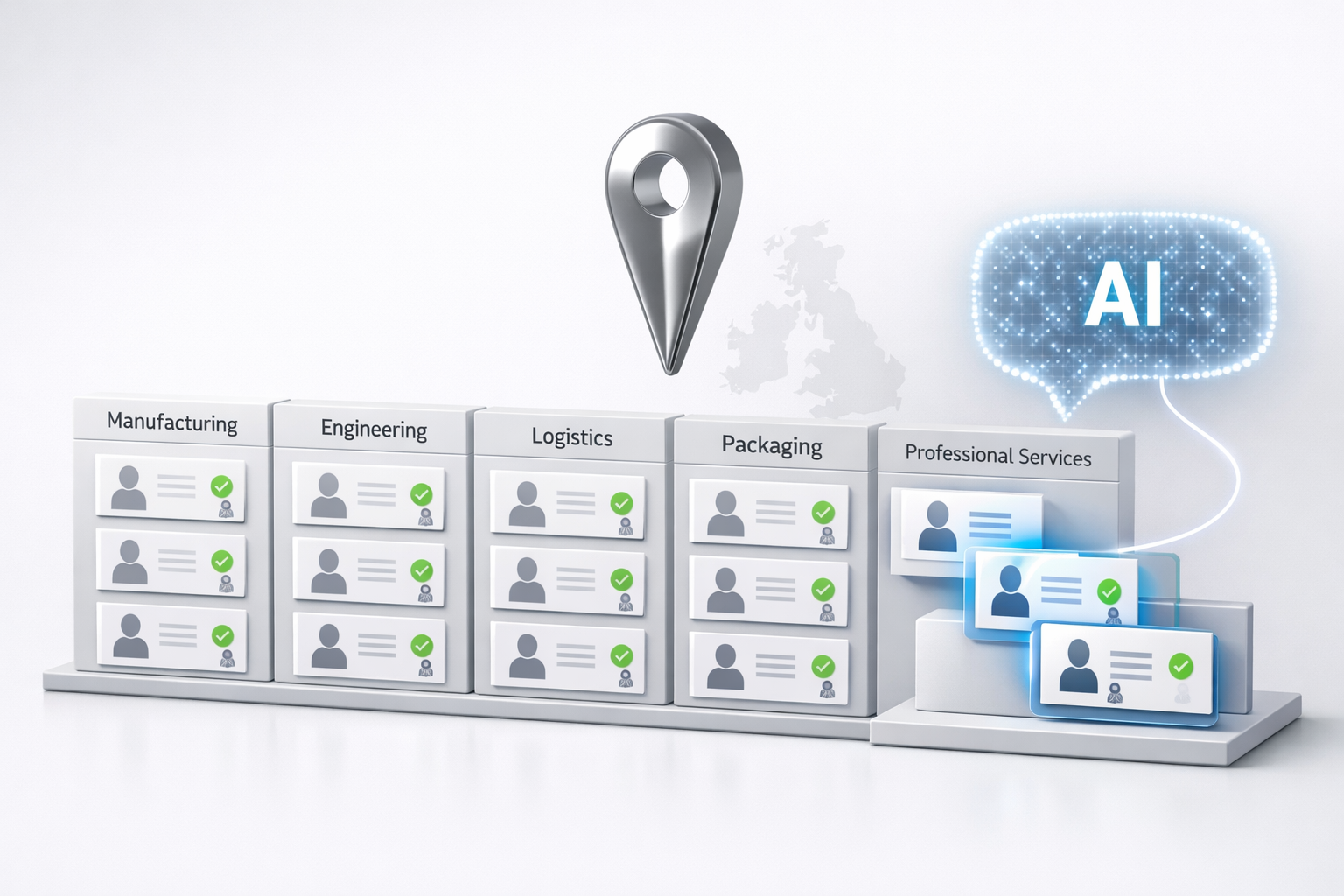
External data providers can supplement and enrich your data pool. This external input can be crucial for market expansion or understanding new demographics. For companies operating in the UK, leveraging UK business data from trusted sources can offer valuable insights into regional market trends and buyer behaviour. Ensure compliance and data accuracy by working with credible sources. Discovering trusted data lists can further enhance your strategy.
Building a Scalable Data Infrastructure
Creating a robust data infrastructure is vital for B2B marketing success. It involves selecting the right technology tools, maintaining data quality, and setting up governance to handle data effectively.
Choosing the Right Technology Stack
Choosing your technology stack is foundational. Your stack should seamlessly connect with existing systems and scale with growth. Popular options like cloud-based solutions offer flexibility and cost-effectiveness. Examine tools offering comprehensive integrations and automation capabilities to streamline tasks.
Software such as CRM and marketing automation platforms should have features like real-time data processing. A well-integrated stack allows for consistent data flow, reducing manual errors that can derail operations. Focus on tools that enhance collaboration among teams and offer easy data access.
Ensuring Data Quality and Consistency
Quality data drives reliable insights. Implement validation processes that regularly clean and update data. Use tools with features like automated error detection and correction. Consistent data means delivering accurate reports, essential for informed decision-making.
Set up regular audits to spot discrepancies. Encourage a culture where everyone is accountable for data accuracy. Maintaining quality starts with initial data entry, so prioritise proper training at the source. Address inconsistencies promptly to maintain trust in your data.
Establishing Data Governance Policies
Data governance ensures compliance and security. Draft clear policies outlining data access, use, and security protocols. This safeguards sensitive information and aligns with regulations like GDPR. Involve key stakeholders in policy formulation to ensure widespread adherence.
A good governance policy includes defined roles and responsibilities. Use dashboards and metrics to monitor compliance. Regular training sessions keep everyone informed of best practices and changes in regulations. Address any breaches swiftly to maintain integrity and trust.
Activating Data to Drive Revenue
Turning data into actionable insights is key to driving revenue. By integrating marketing and sales information, you enhance decision-making. Utilising predictive analytics can anticipate customer behaviour. Personalisation in B2B campaigns ensures targeted communication, and measuring results accurately allows for an effective strategy adaptation.
Integrating Marketing and Sales Data
Integrating marketing and sales data ensures seamless collaboration between departments. When marketing and sales share information, they can align strategies, ensuring consistent messaging. This unity not only improves efficiency but also enhances customer experiences.
Why integrate?
-
Eliminates data silos
-
Provides a unified customer view
-
Enhances lead quality and conversion rates
Using tools that synchronise these data sets helps tailor marketing efforts to meet sales objectives. This integration is foundational for any B2B marketing strategy aiming to boost revenue.
Leveraging Predictive Analytics
Predictive analytics allow you to foresee potential customer behaviours and trends. By analysing historical data, you can identify patterns and make informed forecasts. This foresight can shape marketing strategies, ensuring they are proactive rather than reactive.
Benefits of predictive analytics include:
-
Identifying high-potential leads
-
Improving customer segmentation
-
Forecasting market demands
When you leverage predictive insights, your marketing strategies become more targeted, enhancing engagement and conversion rates.
Personalising B2B Campaigns for Impact
Personalisation in B2B campaigns creates more meaningful customer interactions. Instead of generic messages, tailored content speaks directly to individual needs and preferences. This approach leads to stronger relationships and higher conversion rates.
Key personalisation tactics:
-
Customise email content based on past interactions
-
Use data to suggest relevant products or services
-
Address unique industry challenges
By personalising campaigns, you appeal directly to your audience, making your communications more effective and meaningful.
Measuring Results and Recalibrating Strategy
Accurate measurement is vital in understanding the impact of your data-driven strategies. Regularly assess your campaigns' effectiveness against preset KPIs. Are your tactics driving revenue? Are customers engaging as expected?
Essential metrics to track:
-
Conversion rates
-
Customer acquisition costs
-
ROI of marketing activities
Recalibrate your strategy based on insights from these metrics. This agile approach ensures your strategy remains relevant and continues to drive growth in a dynamic market.
Conclusion
A well-crafted B2B marketing data strategy goes beyond collecting information—it aligns data with clear goals, deepens audience understanding, and activates insights that deliver results. From selecting sources like UK business data to integrating systems, maintaining quality, and leveraging analytics, each step supports a scalable, revenue-driven model. Ongoing measurement and adaptation keep your marketing efforts agile, relevant, and built for long-term success in a rapidly changing landscape.