 Get Listed
Sign In

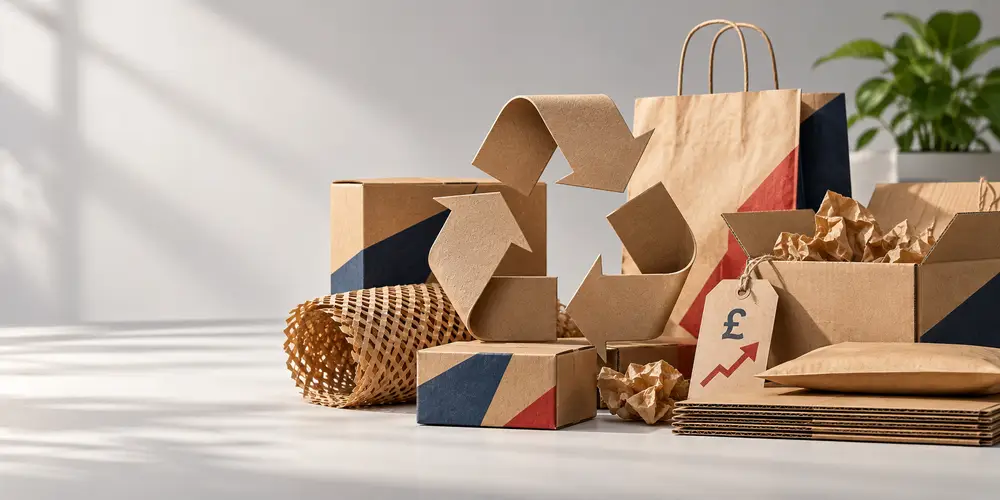
Packaging costs are changing again, with businesses having to keep track of the Plastic Packaging Tax, new Extended Producer Responsibility fees and the deposit return scheme due to arrive in 2027.
Plastic Packaging Tax has increased
From 1 April 2026, the Plastic Packaging Tax increased to £228.82 per tonne, up from £223.69. The tax applies to plastic packaging containing less than 30% recycled content, while businesses that manufacture or import 10 tonnes or more of plastic packaging each year are required to register with HMRC.
Further changes are expected from April 2027. Only post-consumer recycled plastic will count towards the 30% recycled-content threshold, meaning factory offcuts will no longer qualify. Chemically recycled plastic will also be able to count using a mass-balance approach. Businesses relying on recycled content to remain outside the tax may therefore want to check supplier certification in advance.
EPR fees now reflect recyclability
Extended Producer Responsibility requires businesses to contribute towards the cost of collecting and recycling the packaging they place on the market. It applies to organisations with UK turnover of £1 million or more that handle more than 25 tonnes of packaging each year.
From the 2026-27 year, EPR fees are being modulated according to how recyclable the packaging is. Packaging is rated green, amber or red, with red-rated materials attracting higher fees. Red-rated packaging pays 1.2 times the base fee in 2026-27, rising to 1.6 times in 2027-28 and twice the base fee in 2028-29. The first modulated invoices are expected during the second half of 2026.
Deposit return scheme for bottles and cans
A deposit return scheme for drinks containers is scheduled to launch in October 2027. In England, Scotland and Northern Ireland it will cover single-use PET plastic bottles and steel and aluminium cans from 150ml to 3 litres. Wales is also set to include glass bottles.
Consumers are expected to pay a small deposit, likely to be around 20p, which will be refunded when the empty container is returned. Retailers will provide return points, while drinks producers will need to register products and label them for the scheme.
What businesses can do now
WoldPac says relatively small changes can help businesses control packaging costs. Choosing easily recyclable mono-material packaging can improve recyclability ratings, while using at least 30% recycled plastic can help avoid Plastic Packaging Tax.
Paper and card alternatives may also be worth considering where they are suitable for the product, while right-sizing packaging reduces both material use and shipping costs. Businesses selling drinks, or retailers that will need to accept returned containers, should also begin planning for the 2027 deposit return scheme.
WoldPac has been helping businesses source suitable packaging since 1984 and can review existing packaging requirements and suggest more cost-effective or recyclable alternatives, including carrier bags, mailers, boxes and specialist packaging.
This information is intended as a general overview rather than legal or tax advice, and businesses should refer to the latest official GOV.UK guidance for current requirements.
For more information on Packaging Taxes in 2026: What Businesses Need to Know talk to WoldPac
List your company on FindTheNeedle.