 Get Listed
UK Servicing for Granulators & Shredders
23-04-2026
The Complete Industrial Guide to Maximising Uptime, Throughput and Profitability
Industrial shredders and granulators are not background equipment. In most recycling and plastics operations, they are the front end of the entire process. If size reduction is inconsistent, the rest of the line usually suffers with it. Washing becomes less effective, separation becomes less accurate, dryers work harder, and overall product quality becomes harder to control. Rotajet’s own plastics content reflects that same principle: size reduction comes first, then washing, separation and downstream recovery.
That is why shredder servicing and granulator servicing should not be treated as a narrow maintenance task. The goal is not just to keep a machine turning. The goal is to protect throughput, maintain cut quality, reduce avoidable wear, and keep the whole system working efficiently. HSE’s guidance makes the same broader point: maintenance is carried out to prevent problems, correct faults and ensure equipment is working effectively, and an effective maintenance programme improves reliability, productivity and efficiency.
Why servicing matters
A machine can still run and still be costing money. A shredder with worn knives, a blocked screen, poor rotor condition or incorrect settings may keep processing material, but it will usually do so less efficiently. In practice that can show up as inconsistent output size, more dust or fines, increased recirculation, extra operator intervention, more stress on bearings and drives, and poor feed consistency into washing or separation stages.
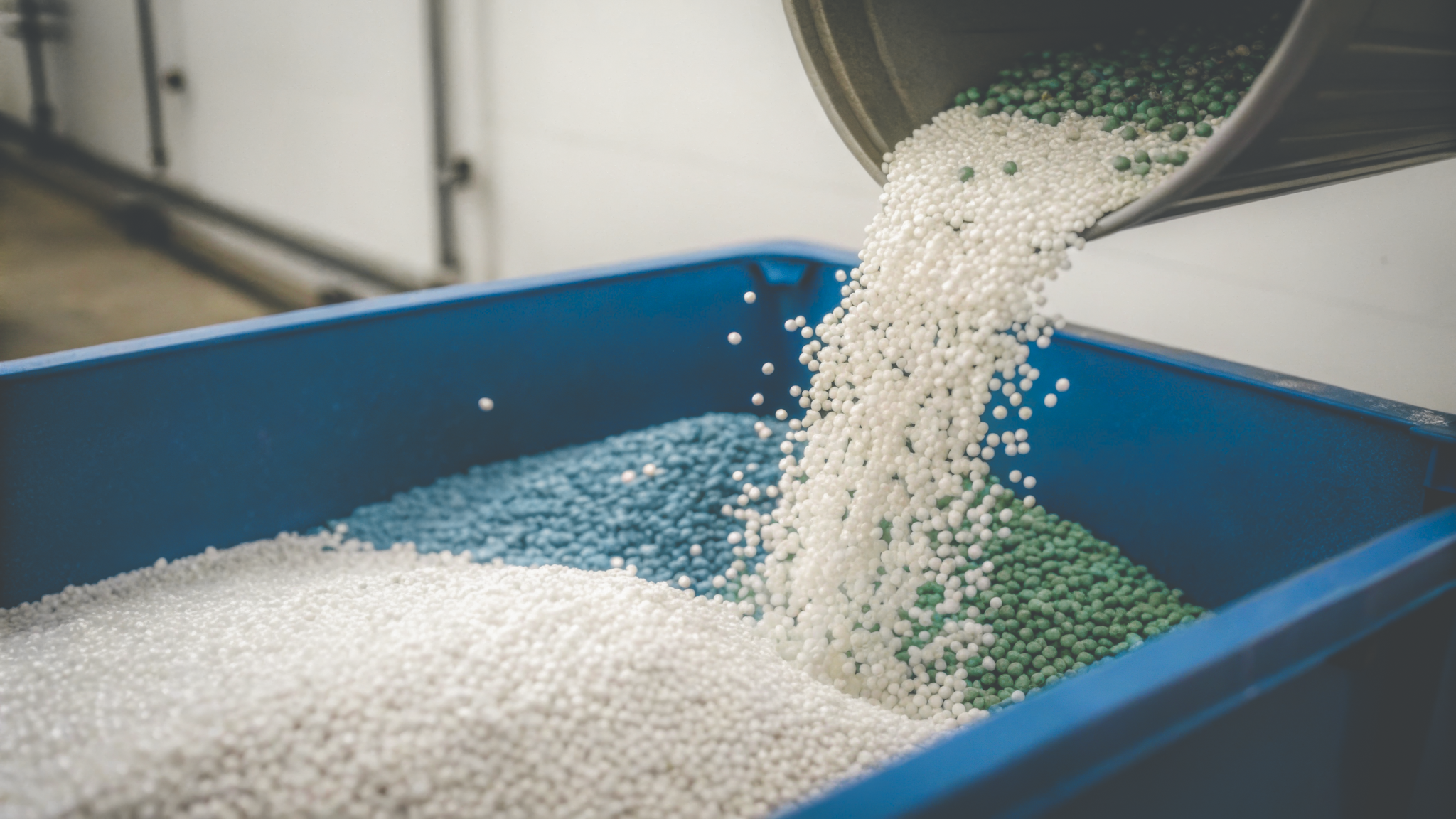
That matters even more in plastic recycling. Rotajet states that plastic recycling begins with size reduction and that shredders and granulators prepare material for washing, separation and pelletising; it also notes that smaller particles improve movement through recycling equipment and that flake size supports washing and separation performance.
For heavily contaminated plastic streams, the connection is even stronger. In the anaerobic digestion reference sheet you provided, mixed plastic from food waste depackaging is described as containing up to 50% moisture and 25% organic residue, with the RJ-Turbo then using high-speed friction and water injection to remove food residues, fats and oils. If the incoming material is not opened up properly by upstream size reduction, contamination is harder to expose and remove.
Buy, Rent or Contract: the commercial route matters too
This is another area where Rotajet has a clear angle. Its size reduction page states that size reduction machinery is available for purchase or rental, and the rental page promotes benefits such as improved cash flow, flexibility, Rotajet-handled servicing and no storage hassle at the end of the project.
That means the article should not end at maintenance. It should show the three practical routes a UK customer can take.
Buy
Buying is the right route when the site needs a permanent capability, wants full control and can justify long-term ROI through in-house processing and lower dependence on external contractors.
Rent
Rental is ideal for urgent capacity, temporary projects, proving a process, replacing a failed machine fast, or reducing upfront capital pressure. Rotajet explicitly markets shredder rental on that basis.
Contract
For businesses not ready to invest yet, contract processing can still be the right stepping stone while throughput, material quality and economics are proven.
Conclusion
Shredder and granulator servicing is not just a maintenance topic. It is a throughput topic, a quality topic and, in many recycling lines, a washing-performance topic too. If the size reduction stage is inconsistent, everything downstream becomes harder and more expensive to control.
That is why a stronger UK servicing offer should cover more than emergency repairs. It should include wear-part strategy, knife and screen management, rotor and drive checks, setup optimisation, material-specific advice and a clear route to Buy, Rent or Contract depending on what the site needs next. Rotajet’s own public offering already supports that broader position through size reduction machinery, granulators, shredders, rental and integrated plastics systems.
If your shredder or granulator is reducing output quality, causing excessive wear, or holding back your washing line, speak to Rotajet about a service review, replacement blades, a rental machine or a full size-reduction upgrade. In the UK market, the strongest result usually comes from treating shredding, granulation and downstream washing as one joined-up process, not as separate problems.
If you would like to read more about servicing shredders & granulators, go to https://plasticwashing.co.uk/shredders-granulators-servicing-uk/
If you would like to see Rotajet’s full line of plastic washers, or our complete plastic plants; got to https://plasticwashing.co.uk
Visit Rotajetsystems.com to see our full range of products.
For more information on UK Servicing for Granulators & Shredders talk to Rotajet Systems Ltd