 Get Listed
Temporary surface protection is essential on any construction site — but with so many options available, how do you know which one actually works best?Let’s break down the three most common methods: boards, adhesive films, and Protectapeel, comparing speed, performance, waste, and cost.
Protective Boards

Pros: Rigid, reusable on short jobs, good protection
Cons: Time-consuming to cut and tape, creates trip hazards, does not allow light through, bulky waste for skips
Best for: Heavy-duty floor protection on short-term projects
Adhesive Films

Pros: Lightweight, relatively inexpensive, easy to store
Cons: Can bubble or lose adhesion in wet/dusty conditions, leaves residue, prone to tearing, slow to remove from large areas
Best for: Small, low-traffic areas needing short-term protection
Protectapeel

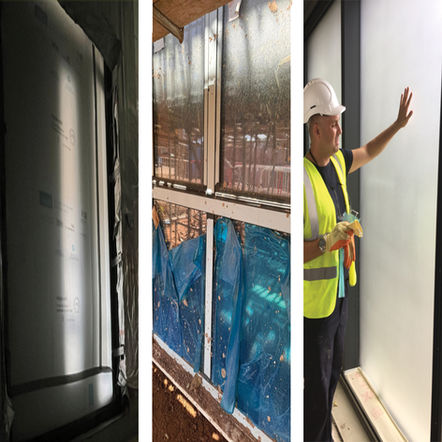
Pros: Fast application (taking just 49 seconds per m² to apply) and only one person is needed for application, conforms to any shape without cutting or taping, protects for up to 12 months indoors or outdoors with no adhesion loss, protects against scratches, dirt, paint, rust and weather, recyclable after use
Cons: Initially more expensive than film and board, however overall it does work out cheaper (less wastage, less labour, less damage)
Best for: Flat, curved and shaped surfaces needing long-term protection
The Verdict
Protectapeel stands out for its speed, being significantly faster to apply and remove than alternative methods, particularly on large or complex surfaces. While all three options provide surface protection, Protectapeel offers the added benefit of weather resistance, with longer-lasting performance. In terms of waste, boards generate bulky skip loads, and films are non-recyclable, whereas Protectapeel can be returned to us for free, for recycling. When considering reduced labour, fewer replacements, and less waste, Protectapeel ultimately delivers the best long-term value.
📄 View our cost comparison →
Every project is different — but for long-term, efficient protection with minimal waste, Protectapeel comes out on top.
For more information on Boards vs Films vs Protectapeel – Which Wins? talk to Protectapeel