 Get Listed
Sign In

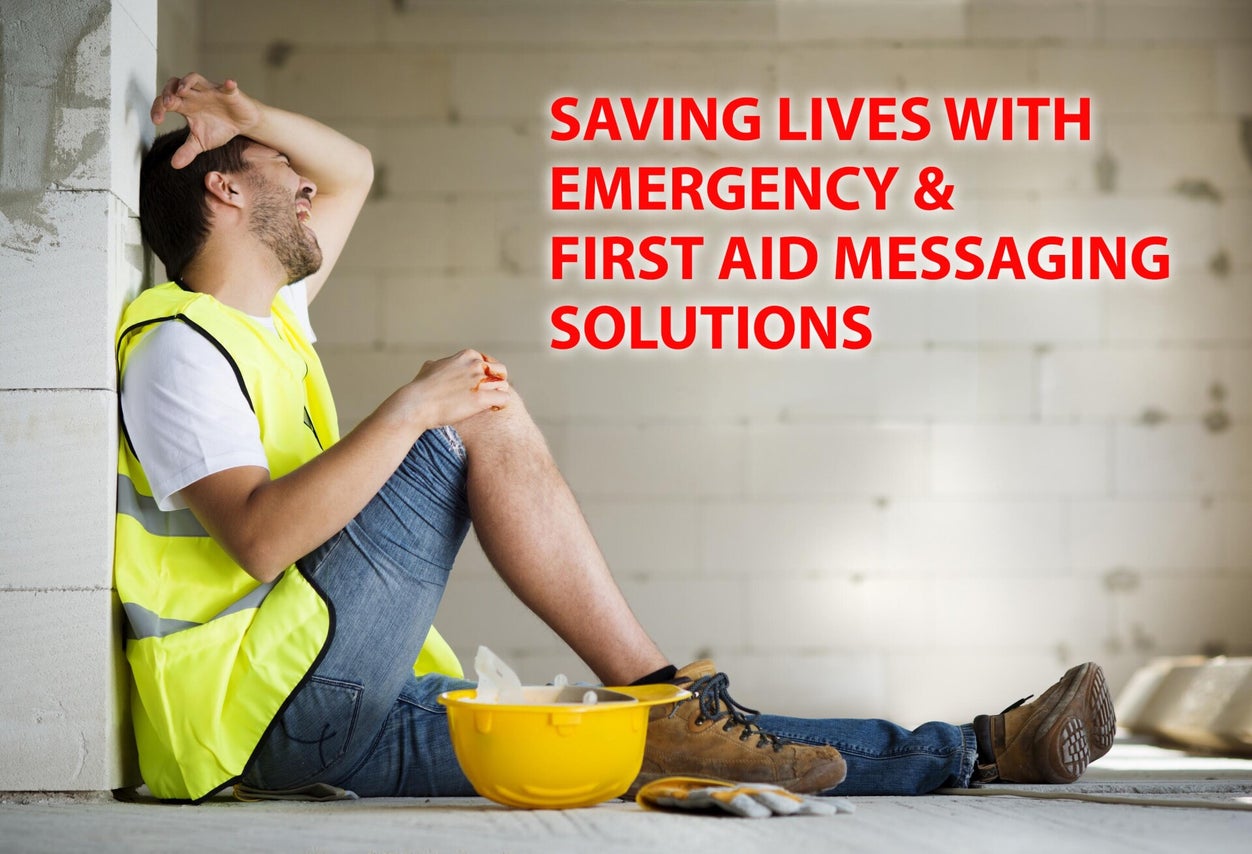
In an emergency, knowing that something has happened is only the first step. The more important challenge is getting clear information to the right people quickly, particularly across large or busy workplaces where first aiders and response teams may be spread across different areas.
Effective emergency and first-aid management therefore requires more than trained personnel and written procedures. Businesses also need a reliable way to alert the appropriate responders when and where help is required.
Dedicated emergency messaging systems can shorten the communication chain by sending a clear alert directly to an individual, a response team or a wider group.
Why Emergency Communication Matters
During an incident, several phone calls or messages can introduce unnecessary delays. This becomes more difficult across factories, warehouses, industrial sites, hospitality venues, healthcare facilities and multi-building workplaces.
A dedicated system can provide a direct route between the person raising the alert and the people responsible for responding. Messages should identify what assistance is needed and where the incident has occurred.
Predefined alerts and dedicated call buttons can simplify the process. Instead of deciding who to contact during a stressful event, a programmed button can send a specific message to the correct team.
How First Aid Call Systems Work
A first-aid call system links the person reporting an incident directly with responders. The LRS Pronto Emergency and First Aid Call System, for example, uses six programmable buttons which can send customised messages to individuals, groups or everyone on the system.
The system can also support a stand-down process once the first responder has assessed the situation. Pager messages can additionally be converted into audio messages for compatible two-way radios where organisations use a mixture of communication equipment.
Matching the System to the Workplace
Emergency messaging can support first-aid calls, security incidents, maintenance emergencies, lockdown procedures and other predefined situations. Larger or higher-risk operations may need more advanced critical messaging, including escalation routes and multiple response teams.
The article recommends assessing site layout, likely emergencies, communication distances, available responders and escalation procedures before selecting equipment. The objective is to support existing emergency plans with a communication system designed around the workplace and its risks.
For more information on Saving Lives with Emergency & First Aid Messaging Systems talk to Long Range Systems UK Ltd
List your company on FindTheNeedle.