 Get Listed


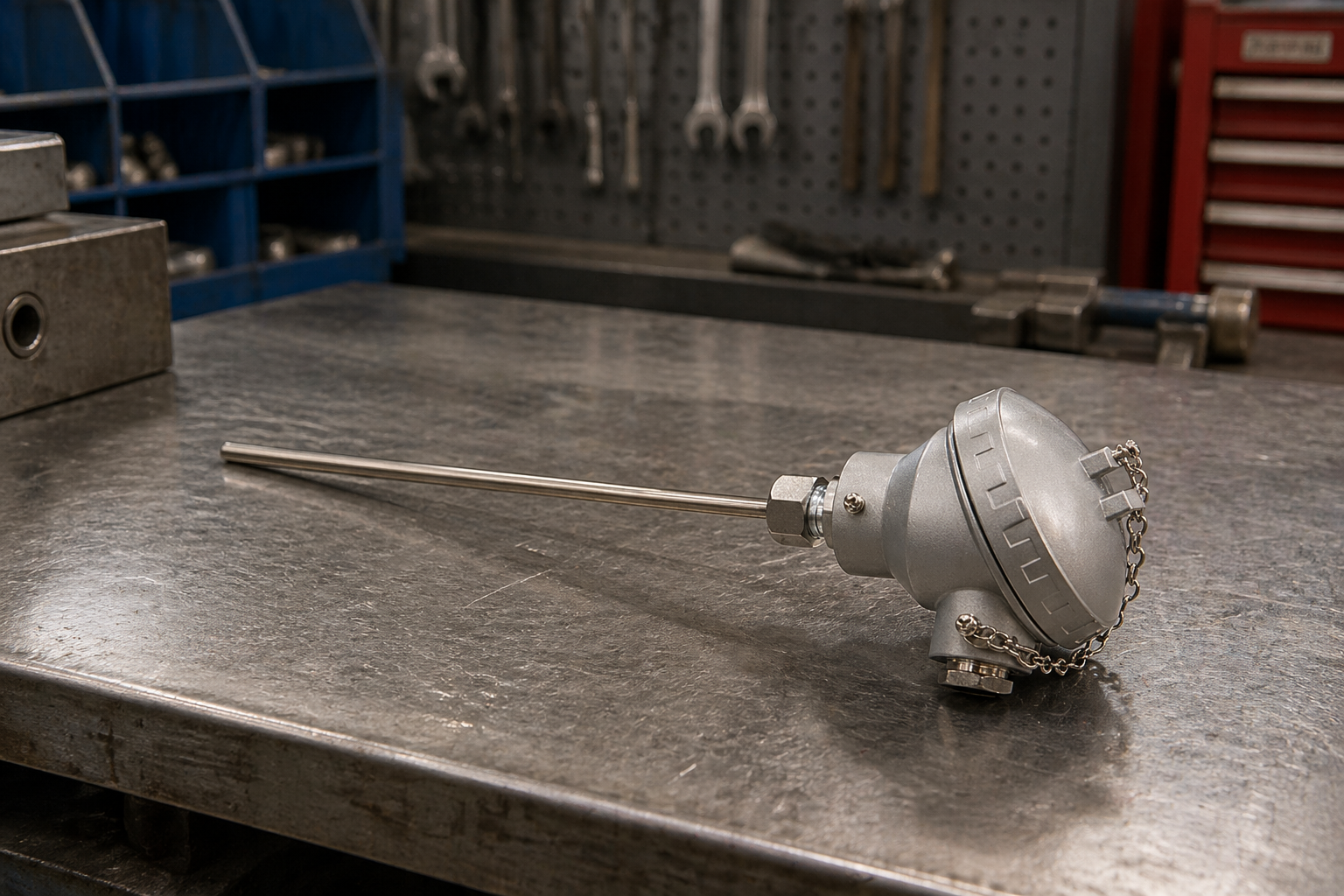
When it comes to temperature sensing, selecting the right terminal head and sheath materials is essential for performance, durability and suitability across different applications.
A wide range of terminal head designs are available to meet varying requirements, including differences in size, material, environmental resistance and protection against fire or hazardous conditions. The most commonly used designs in Europe follow DIN 43 729, defining Type A and Type B heads—with the compact Type B being particularly popular due to its compatibility with 2-wire transmitters. These heads house terminal blocks that enable secure connection of extension wires, using materials such as copper, plated brass or thermoelement alloys for optimal performance.
For applications where a terminal head may not be required, alternative termination options are available. These include direct extension leads, plug-and-socket connections or short wire “tails”. While these solutions can offer cost savings and flexibility, they may provide less mechanical protection compared to traditional head-mounted designs.
In addition, the choice of sheath material plays a critical role in sensor performance. Options range from mild and stainless steels to high-temperature ceramics and specialised alloys. Selection depends on key factors such as operating temperature, environmental conditions and long-term durability.
With so many configuration options available, selecting the right combination ensures reliable, accurate temperature measurement across a wide range of industrial and process environments.
More details: https://www.labfacility.com/catalogsearch/result/?q=terminal%20head
For more information on Understanding Terminal Heads & Sensor Construction Options talk to Labfacility Ltd