 Get Listed

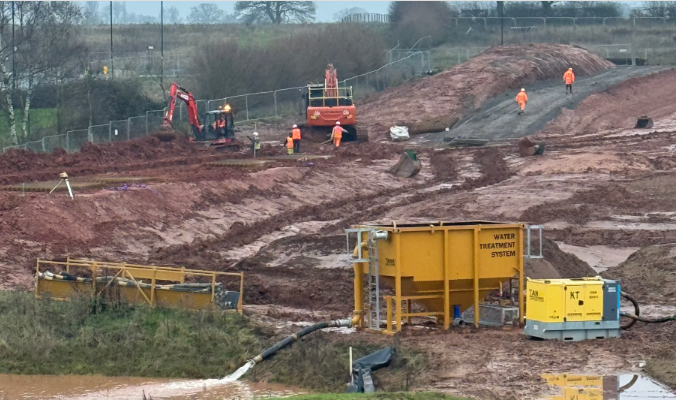
In this article, Kelly Tanks share expertise and offer advice on a wide variety of problems when it comes to wastewater in construction (as well as offering solutions)- these include:
Sources of wastewater in construction
Wastewater can be generated by a variety of construction activities, and can come into contact with different contaminants depending on its source. It is important to understand the different sources of wastewater so a site can properly prepare to contain and treat the water before discharge.
Four of the main sources of wastewater in construction are:
Concrete Wash Water
Concrete wash water is the highly alkaline wastewater that is produced when a concrete truck or concrete equipment is washed off. The pH level of this concrete wash water is extremely high, and it is often classified as hazardous waste due to the environmental harm it can cause if not properly contained and treated.
For more information on the containment, handling, and treatment of concrete wash water, Kelly Tanks have an in-depth article on concrete washout best practice, regulations, and solutions to ensure safety and compliance;
Surface Water Runoff
Surface runoff is water travelling across the grounds surface, and is a natural carrier for sediment and silt. This worsens with a higher volume (due to increased rainfall or the removal of vegetation) as increased flow velocities allow larger and heavier suspended solid particles to be transported.
Whilst not being directly generated by construction, construction does significantly impact the volume and severity of surface water runoff.
In addition to this, surface runoff can often cause the erosion of topsoil, which leads to more silt and sediment particles being loosened and carried by the runoff. This erosion of topsoil is made more severe by steeper terrain.
Hydrodemolition waste
Hydrodemolition is the removal of deteriorated concrete using high-pressure water jets, so naturally, this generates a high volume of wastewater. Whilst the pH level of this wastewater usually isn't quite as high as concrete wash water, the alkalinity of the concrete can significantly raise the pH of the wastewater.
The main challenge with hydrodem waste is the high volume of wastewater generated due to the significant water usage hydrodemolition requires. This means that containment can be difficult, with many opting for sumps, and pumping into treatment systems.
Equipment/Vehicle Cleaning and Wheel Wash
Wastewater generated from cleaning construction equipment and vehicles (including wheel washes) is known as trade-effluent. This trade effluent can contain high levels of silt, oils, heavy metals, and detergents.
Multiple stages of treatment are usually required for trade effluent, including the removal of oils/hydrocarbons from the water, as well as settling out the silt and suspended solids.
Construction Dewatering Effluent
When excavating on-site, groundwater and surface water must be pumped away to ensure the safety of workers and avoid damage to equipment and prevent blockages. Additionally, removing this water also helps to stabilise the soil to prevent excavation walls from collapsing, as well as protecting the structural integrity of any foundation laid, as the concrete can properly cure.
Construction dewatering effluent is typically contaminated by high levels of suspended solids which can result in the waters increased turbidity. During dewatering, many other contaminants from construction activities can also pollute the wastewater so testing and treating the water before discharge is vital. For example, if the water comes into contact with uncured cement, it will become caustic and the pH level will rise due to the high alkalinity of the cement.

What is the most common contaminant in construction wastewater?
Silt is the most common pollutant in wastewater generated by construction activities. Silt refers to fine-grained sediment or soil particles that are larger than clay but smaller than sand.
The sizes of these particles affect their ability to settle out, with larger particles settling out more easily. Finer particles however, can remain in suspension for long periods of time, and may be able to travel long distances. Other factors affecting suspended solid particles ability to settle out include:
-
Flow conditions (speed and turbulence)
-
Angles of slopes
-
Concentration of SS particles
-
Particle shape and density
-
Water chemistry and temperature
-
Water retention time (how long water stays inside a water treatment system)
What makes silt pollution (siltation) dangerous?
Silt particles become suspended solids when suspended in water, and causes wastewater (or 'silty water') to have an increased turbidity (how cloudy or opaque a liquid is). When silty water enters a watercourse, the damage to aquatic life can be catastrophic. Some of the ways fish and aquatic plants are affected are:
-
Fish gills can become irritated or clogged by fine suspended particles
-
The turbidity of the water can prevent sunlight from penetrating, which reduces aquatic plants ability to photosynthesize
-
Water quality is severely degraded and aquatic habitats and spawning grounds could be destroyed
In addition to these environmental problems, silt pollution can travel a long way and is highly visible meaning it's easily traceable back to site, and so is a common cause for legal action against construction companies.
Silt accumulation also poses a significant flooding risk as it reduces the capacity of rivers and drainage systems.

But the biggest problem with siltation is the fact that silt combines with and acts as a carrier for other contaminants.
What other contaminants commonly found in construction wastewater
-
Hydrocarbons and oils
-
Residual concrete
-
Heavy metals
-
Organic matter and nutrients
Why are these contaminants dangerous?
Hydrocarbons and oils
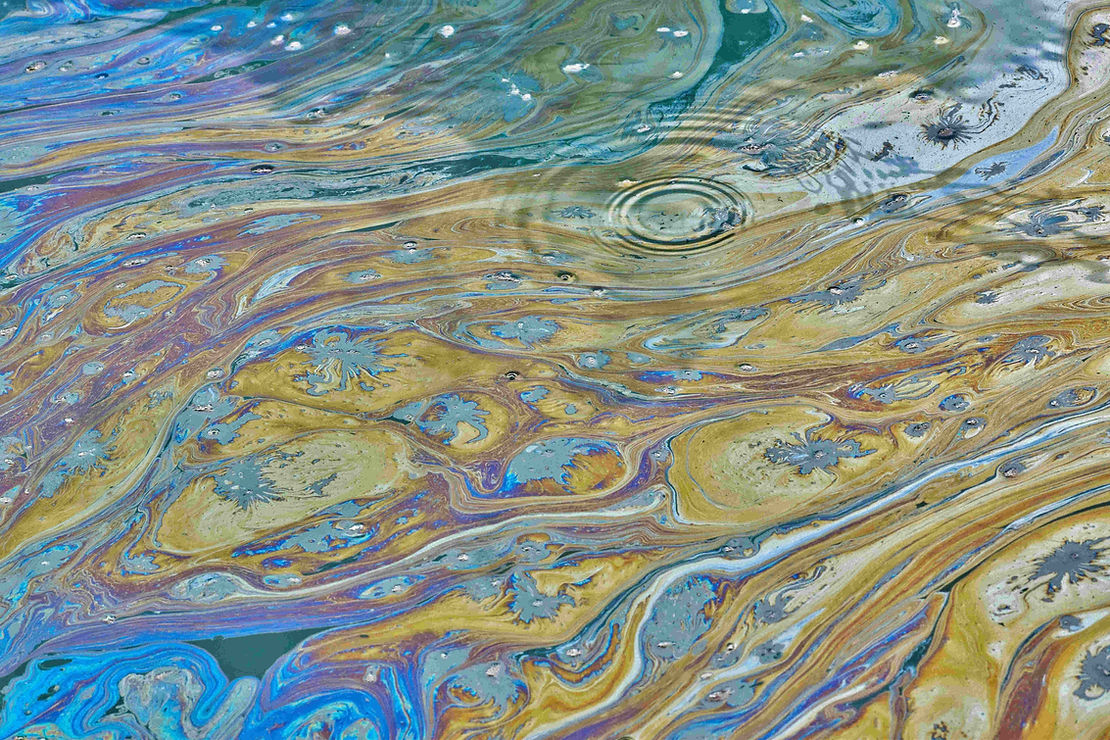
Many hydrocarbons are highly toxic to aquatic life, and some are volatile organic compounds that pose both environmental and health risks. For example, petroleum hydrocarbons contain carcinogenic chemicals that dissolve in water and are harmful to both aquatic and human life. Hydrocarbons are broken down by bacteria in the water. This causes the bacteria to rapidly multiply, consuming oxygen in the water which is vital for fish survival.
Oils float on the surface of water and block sunlight from reaching aquatic life, as well as forming a film on the water's surface that reduces oxygen transfer. This means that aquatic plants can't photosynthesize and fish can be deprived of the oxygen they need to survive. Oils, fats, and greases also block drains which creates a flood risk onsite.
Residual Concrete
Residual concrete elevates the pH of wastewater due to its high alkalinity, making it highly corrosive and potentially harmful to the environment and aquatic life.
At high pH levels, wastewater can cause direct harm to the gills and skin of fish and other aquatic life, impairing their ability to regulate salt and water intake and absorb oxygen. This can lead to mass fish deaths and long-term impacts on aquatic populations, including reduced growth rates and reproductive success.
Another issue with residual concrete is the high levels of calcium and magnesium. These mineral ions precipitate as solid deposits that encrust pipes and valves, reducing the flow of water.
Heavy metals
Heavy metals are a dangerous contaminant in wastewater as they don't biodegrade and so will be present in any waterways and soil they contaminate for long periods of time. To make matters worse, these metals accumulate in sediments, aquatic organisms, and can eventually enter the human body through the consumption of contaminated fish or crops.
Once inside the body, the effect of heavy metals can be catastrophic. Many heavy metals can bind to and replace essential minerals as well as interfering proteins and enzymes, damaging vital organs such as the liver and kidneys.
Organic matter and nutrients
Bacteria in watercourses break down organic matter which consumes oxygen in the water. This starves fish and aquatic life of the oxygen they need to survive. The breakdown of organic matter in wastewater also release ammonia and other harmful by-products.
Excess nutrients in a water body act as fertilizers, causing algae and aquatic plants to multiply uncontrollably. This algae blankets the waters surface, blocking sunlight and killing vital underwater vegetation. The decomposition of the algae and vegetation further depletes oxygen.
Compliance and Legislation
In this section, we explain some of the regulations and legislation you need to follow to remain compliant, primarily when dealing with suspended solids. Whilst we will explain key points from Treating and using water containing suspended solids at construction sites: RPS 235 - GOV.UK it is important you do your own research and consult the original guidance to avoid fines or legal action.
We have already covered the legislation surrounding the use water containing concrete here- Understanding the Environmental Agency Regulatory Position Statement for Concrete Wash Water - RPS 287
Environmental permits
A key permit you may require is the Water Discharge Activity Permit, which is needed when discharging directly into surface water (like rivers or streams) or groundwater. However, you may need a Bespoke Permit if your activity doesn't qualify for the standard rules.
If you're extracting water from a natural source for dewatering or excavation (before discharging into surface or groundwater) you will require an Abstraction License.
If you plan to discharge a public foul sewer, you require consent from the Sewerage Undertaker.
Following RPS 235 doesn't change your legal requirement to obtain an environmental permit when storing, treating, using, or discharging wastewater containing suspended solids on construction sites.
Despite this, the Environment Agency (the primary regulatory force in England regarding environmental issues) usually won't take action against you if you comply with the conditions set out in RPS 235 and your activities don't cause a risk to water, air, soil, plants, or animals.
In addition to this, your activities must not cause a nuisance through noise or odours, or adversely affect the countryside or places of special interest.
Conditions that must be complied with
You must follow a method statement that minimises the risk of pollution, including control measures, monitoring and inspection, staff training, and incident response planning.
You must also keep records for at least 2 years from your last use of RPS 235 to provide evidence that you have remained compliant, and these records must be available to the EA on request.
Please note- you must not use wastewater containing suspended concrete or grout.
Storage of water containing suspended solids
Water containing suspended solids must be securely stored, meaning that it cannot escape or be accessed by unauthorised personnel. Your storage solution must be leakproof and impermeable, and maintain a freeboard of at least 10% to prevent overtopping.
If your looking for a water storage solution, Kelly Tanks offer a wide range of water storage tanks that vary in size and shape, as well as offering bespoke built storage tanks to fit your sites needs. For more information on these water storage tanks, visit the following section of this article-
(link)
Please note- you must not store more than 30m³ of water containing suspended solids at any time in any single location on the construction site
Treatment of water containing suspended solids
You must only treat water containing suspended solids by either:
-
Using filtration, settlement lagoons, or physical dewatering, for example, in a settlement tank or specialised treatment systems
-
Using products to solidify water containing suspended solids for use or transfer from the construction site
When using a specialised water treatment system, staff operating it must be properly trained and follow manufacturer's instructions.
If you're looking for a Water Treatment Solution, Kelly Tanks offer simple but effective solutions in a wide range of sizes and flow rates, as well as offering familiarisation training and expert advice on how to remain compliant. For more information on Water Treatment Systems, visit the following section of the article-
(link)
The use of water containing suspended solids
You must not use treated water containing suspended solids to suppress dust within a groundwater source protection zone 1.
A SPZ1 is the inner protection zone and includes areas where groundwater could travel to an abstraction point in 50 days or less. These areas are subject to the strictest environmental controls.
You also must not use this water to suppress dust within 50m of a point that water has been taken from for domestic use or food production. Furthermore, you must not use more water than necessary to supress dust (for example, use on already wet ground).
Water containing suspended solids cannot be used if it originates from sites known (or suspected to be) contaminated by oil, metals, hydrocarbons, solvents, pesticides, or other polluting substances.
You can only use treated water containing suspended solids for: dust suppression (following the aforementioned regulations), washing equipment or vehicles, or making cement, mortar, etc.
Where can you store, treat, or use water containing suspended solids
You cannot carry out any of these activities using water containing solids within 10m of any watercourse, or within 50m of the following locations:
-
Sites of Special Scientific Interest
-
Specialised Areas of Conservation (SACs) (including proposed SACs)
-
Special Protection Areas (SPAs) (including potential SPAs)
-
Wetlands of international importance
-
Marine Conservation zones
-
Other nature conservation sites
-
Local wildlife sites

Best practice when dealing with wastewater onsite
Source Control
Source control is taking measures to prevent wastewater from becoming contaminated. Whilst the contamination of wastewater onsite, there are methods that can be implemented to reduce the likelihood of contamination, environmental incidents, and compliance breaches.
Some methods of source control include:
-
Prompt clean-up of spills
-
Segregating waste from water sources
-
Covered waste storage
-
Stabilising exposed soils
-
Diverting the flow of clean water away from work areas
-
Regular vehicle and equipment maintenance to prevent leaks
-
Drip trays
Containment
Containment is capturing and storing wastewater, as well as keeping it away from waterways and exposed soil. Proper containment is vital for avoiding leaks and spills of contaminated water, which can cause environmental harm and compliance breaches.
Some methods of containment include:
-
Bunds
-
Berms
-
Temporary ponds and lagoons
-
Storage tanks
-
Sumps
-
Interceptor/catch pits
-
Lined leakproof skips
-
Drain mats/blockers
Identifying the contaminants in your wastewater
Identifying the contaminants in your wastewater is a vital step before treatment. Different contaminants require treatment methods, so knowing what you're up against greatly increases your chances of successfully treating the wastewater.
A good tell of the contaminants can often be the sources of wastewater, with wastewater from dewatering having high levels of silt and suspended solids, wastewater from vehicle or equipment cleaning usually containing oils and hydrocarbons, and concrete wash water having an extremely high pH level. However, testing the wastewater is still the most reliable way to identify contaminants.
Treatment
Depending on the contaminants in your wastewater, treatment will vary, with some types of wastewater needing more treatment stages than others. This is why source control is so important; the less wastewater that becomes contaminated, the less you have to treat.
Kelly Tanks offer a wide range of water treatment solutions, particularly for dealing with concrete wash water, silt and suspended solids, and hydrodemolition waste. Learn more about these in the following sections.
Discharge
Before discharge, it is important that you ensure your wastewater meets the required discharge criteria. If the treatment of your wastewater was successful, you can then begin to think about discharge.
Depending on where you are looking to discharge to, you may need permission or a permit. A few of the common permits you may need were outlined in the 'Environmental permits' section of 'Compliance and Legislation' (the section before this one).
Wastewater Treatment Solutions
Kelly Tanks offer a wide range of Water Treatment solutions for dealing with silt and suspended solids, concrete wash water, hydrodemolition waste, and other common construction wastewater challenges. In this article, we won't be going into our range of Concrete Washout Solutions, as we already have an article dedicated to our huge range;
Water treatment can be confusing with information being too broad or full of technical jargon. At Kelly Tanks, we specialise in simplifying this process. We offer expert advice, familiarisation training, and unrivalled aftercare. Pair this with our innovative solutions that are simple to use as well as incredibly effective, and you have the recipe for success when it comes to dealing with wastewater onsite.
WTS Water Treatment Systems

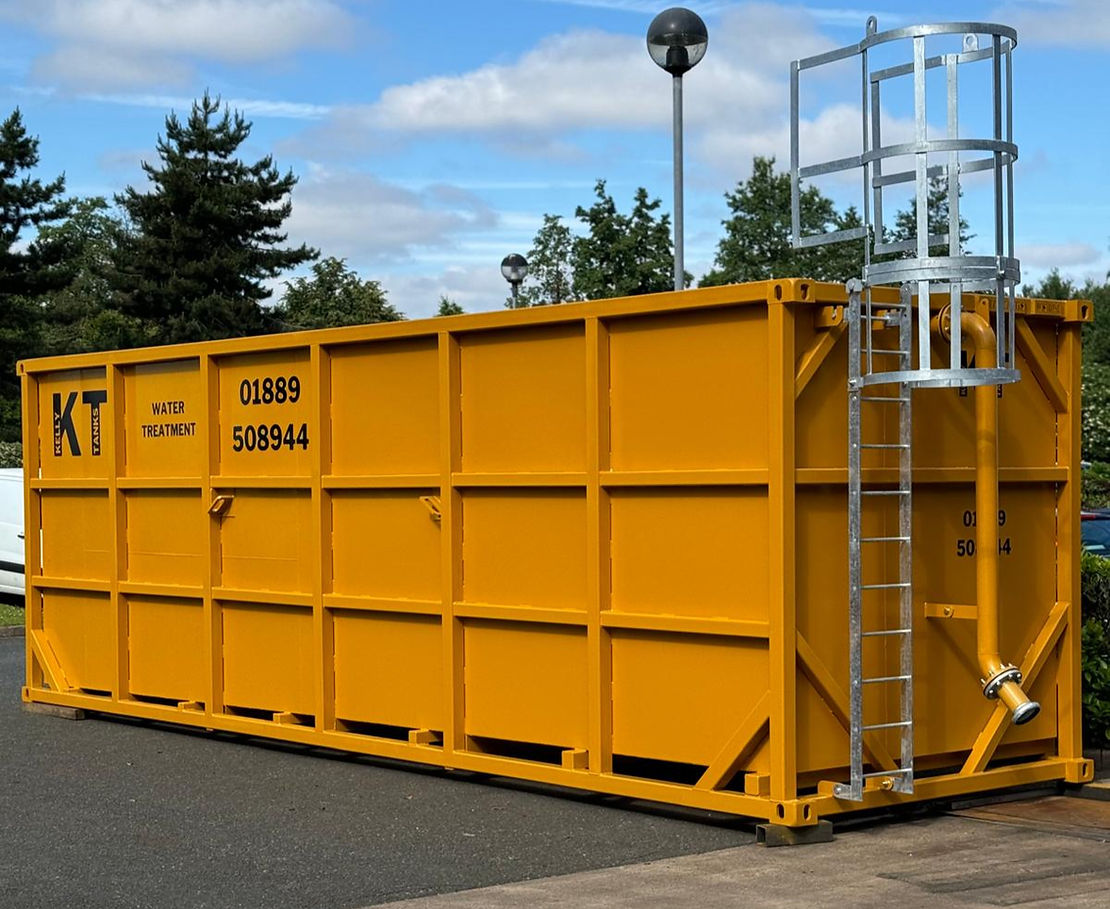
Our WTS Water Treatment Systems are lamella/coalescing style clarifiers which are more efficient than conventional settlement tanks due to the increased settling area created by the lamella/coalescing media. They are the ideal solution for dewatering and dealing with silt and other stubborn suspended solids.
We offer two sizes of WTS systems:
WTS XL- Up to 25m³/hr
WTS XXL- Up to 60m³/hr
However, our WTS systems are modular, meaning wastewater can be split between multiple systems to handle high flow rates.
The WTS Systems also have a range of additional features available to tackle any problems you may encounter when treating your wastewater onsite.
Some benefits of the WTS Systems include:
-
Lamella/coalescing media for huge settling area
-
Silt and sludge collected in hopper for easy removal
-
Adjustable oil skimmer for hydrocarbons
-
Simple to set up, operate, and empty
-
Solids emptied via dump valve for easy removal and cleaning
-
No power required (if used without additional features that require power)
-
Can be used with flocculants
-
Can be fitted with remote water quality monitoring
-
Can be fitted with auto desludging pumps
-
Can be fitted with auto pH dosing equipment

But what separates us from alternatives?
-
Interchangeable media that can be provided with various diameter openings making it adaptable to various loads
-
Cleaning media like this can be tough in an enclosed system, so at Kelly Tanks, our media is placed in a cage that completely lifts out of the WTS system, making cleaning and maintenance of the media much easier
-
The simplicity of our WTS system with no moving parts makes it much more robust and suited to rough conditions onsite as well as making it straightforward to set up
-
Available with a remote monitoring system with both data-logging and real time monitoring of water quality to measure and record pH, turbidity, TSS, and more, all from your phone or desktop
But a key factor in what makes our solution better than alternatives is the media.
Media

A key contributor to the efficiency of any settlement tank, clarifier, or water treatment system, is the integral media used to separate the suspended solids from the wastewater.
Coalescing and lamella media are separation technologies (usually plates or packs) designed to extract various substances from liquids, such as removing oil from water, or silt from wastewater.
Both coalescing and lamella media are typically composed of PVC plastic or stainless steel. At Kelly Tanks, we opt for PVC plastic for our media, as it's more adaptable than steel, as well as being easier to handle, clean, and install/remove.
Unlike many alternatives, our media is configured as a tube settler rather than using plates, and here's why...
The science of settlement
The key scientific process in the settlement of suspended solids is sedimentation. This is the process in which suspended solids are settled out of the wastewater by gravity.
However, the speed at which this process takes place is determined by the settling path of the suspended solid particles. To decrease this settling path, multiple layers need to be added, and these layers must be inclined to prevent solid buildup and clogging.
The ideal angle of the layer is between 55° and 60°. This is because if the slope is too small, solids don't slide to the bottom of the tank, which results in clogging and solid buildup. However, if the slope of the layer is too large, the settling path of the suspended solid particles is increased and the system loses capacity as fewer solids will settle out.
So what makes our media so effective
The main problem in the design of many settlement tanks and clarifiers is the flow short-circuiting. To avoid this, you need a consistent flow through the system.
To create a consistent flow, our coalescing/lamella media is configured into chevron-shaped tubes that equally distribute the flow.
Tube settlers are better than plates at equally distributing flow as they consist of a higher number of smaller channels. The water is split between each channel which results in similar flow velocities.
This is further enhanced by the chevron shaping which is designed to create an equidistant flow.
Benefits of an efficient solution
-
Achieve and maintain compliance
-
Increased automation (decrease in operator intervention)
-
Reduced downtime
-
Reduced effluent treatment cost
-
Reduced waste disposal cost
-
Reduced water consumption (as water can be recycled)
For more information on our WTS Systems, or to make an enquiry visit:
Or email info@kellytanks.co.uk
Oil Water Separators
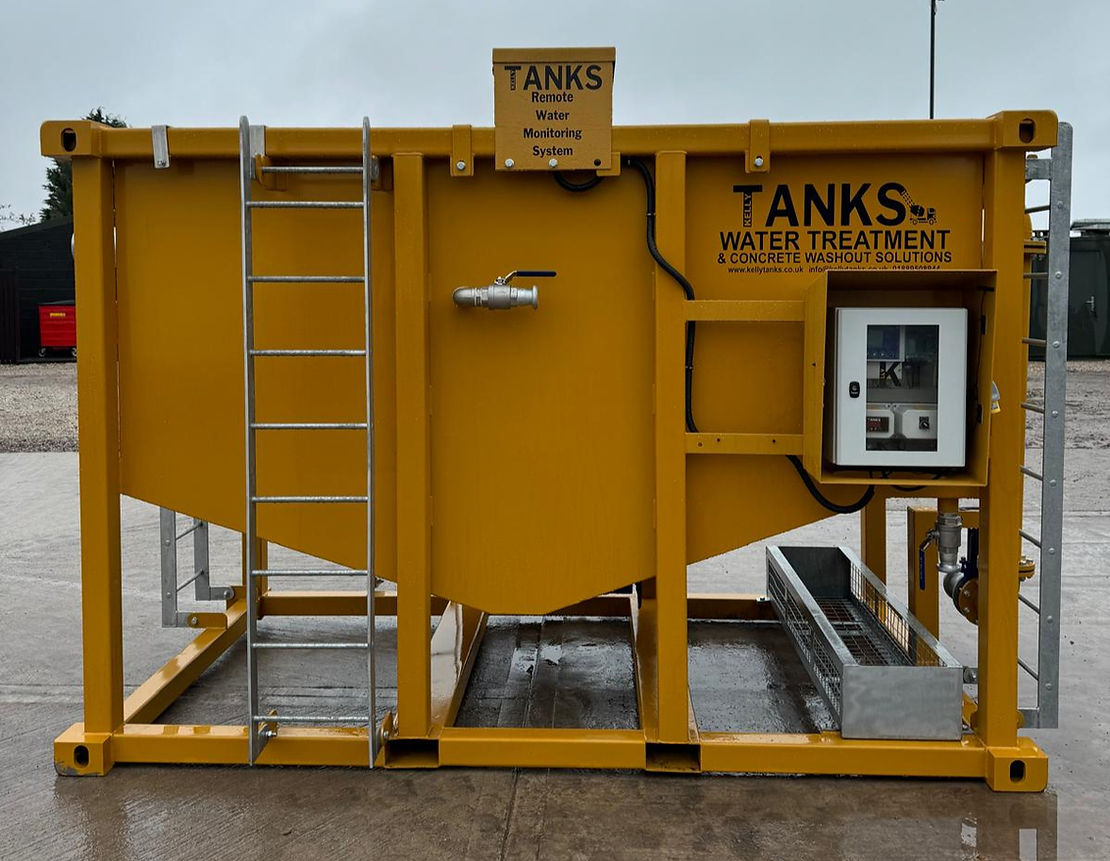
Kelly Tanks Oil Water Separator or 'OWS' separates oils and hydrocarbons from wastewater using coalescing media to create a large surface area for oil droplets.
The OWS consists of two adjustable oil skimmers, oil absorbent booms, and bio balls with oil absorbent sponge, as well as the coalescing media.
The large surface area, created by the coalescing media, allows the oil droplets to attach and combine together to form larger droplets. As oil droplets grow in size, the buoyancy of the droplets increases and they're less affected by turbulence. These buoyant droplets then rise to the surface of the water where they can be skimmed off.
The optimum flow rate for the OWS is 20m³/hr
For more information on our OWS System, or to make an enquiry visit
Water Storage Tanks

Kelly Tanks offer a wide range of Water Storage Tanks in a variety of shapes and sizes, including open top and cylindrical.
Our Water Storage Tanks are robustly built for use in the construction industry or any other harsh environments, and they're all sprayed internally with corrosion-resistant paint.
They're available with various inlets/outlets and adaptors as well as pumps, pipework, and fittings.
We also have the capacity to build bespoke tanks to your specification and can add features such as:
-
Level Gauges
-
Internal Baffles
-
Aeration Pipework and Diffusers
-
Mixers, Motors, and Paddles
For more information on our Water Storage Tanks, or to make an enquiry visit
Flow Meter/Pipe Reactor

Our Flow Meter/Pipe Reactor is a flow proportional inline dosing system. It is designed to proportionally dose chemicals for flocculation and/or pH control. Flocculation is the process of causing fine suspended particles to clump together (known as flocs), allowing them to settle out of the wastewater more easily.
The two pumps will accommodate high flow rate dosing of up to 100m³/hr, as well as simultaneous chemical dosing.
The Flow Meter/Pipe Reactor also has integrated real-time remote water quality monitoring to measure pH, flow rate, TSS, and more. The remote monitoring not only provides live updates, but data-logging, demonstrating compliance to regulators.
Hydrodemolition pH Control System (HpC)

Our HpC systems were originally designed specifically for treating hydrodemolition waste and are still the ideal solution for this problem. However, they also have a wide range of wastewater treatment applications.
The wastewater is deposited into the adsorption sack where solids are retained and the water percolates (gradually filters) through.
The water is then checked by a pH electrode (pH probe), and if the water's pH level exceeds the pre-set parameters, dosing and mixing is initiated to correct pH automatically.
Once the pH has been corrected, the wastewater flows through lamella/coalescing media to force any remaining suspended solids to clump together and settle out.
Pumps, Pipework, & Fittings

At Kelly Tanks, we also offer a variety of ancillaries for complete water management onsite. These include submersible, peristaltic, and centrifugal pumps that can be used in conjunction with Kelly Tanks systems to streamline your solutions.
We also offer a range of pipework and fittings available for bespoke solutions to fit your site, including pipe racks and splitters.
Bespoke Systems

As we design and fabricate our systems, we are able to offer bespoke solutions, tailor-made to meet your requirements. Whether you just have an idea or have a full plan, we can work with you to design and build a system that fits your site perfectly.
In addition to this, we can also tweak our existing products to better suit you, as well as having systems sprayed in your corporate colours.
Many Kelly Tanks systems are modular, meaning our solutions can be seamlessly fitted together into the same water management plan. For example, Flow Meters/Pipe Reactors are commonly used in conjunction with WTS Water Treatment systems to combine settling and dosing.
Why choose Kelly Tanks?
With a combination of our plant and our expertise, we are able to offer both solutions and advice on your wastewater problems onsite. From single units to full systems, we can supply and install solutions to fit your requirements. Some services we provide:
-
Install & Set up
-
Site visit and sample analysis
-
Consultation on solutions
-
Telemetry
-
Maintenance
-
Emergency Call Out
-
Advisory & Investigatory Visits
-
Tank Cleaning
-
Tank Moving
Conclusion
But why does all of this matter? Wastewater is generated from a wide array of construction activities, and can contain an even wider array of contaminants.
Containing, handling, and treating this wastewater onsite can be a difficult challenge, but one you must take on if you want to remain efficient and compliant. The first step to tackling wastewater management head on is understanding where it comes from, and what contaminants to look out for, as well as how to treat them.
In truth, there is no perfect way to manage wastewater in construction as it's so unpredictable. However, if you're proactive and put measures in place to contain or capture the wastewater, pollution can be prevented temporarily while you identify the contaminants and find and implement treatment solutions.
For more information on Construction Wastewater: Sources, Treatment, Compliance, & Best Practices talk to Kelly Tanks