 Get Listed
Sign In

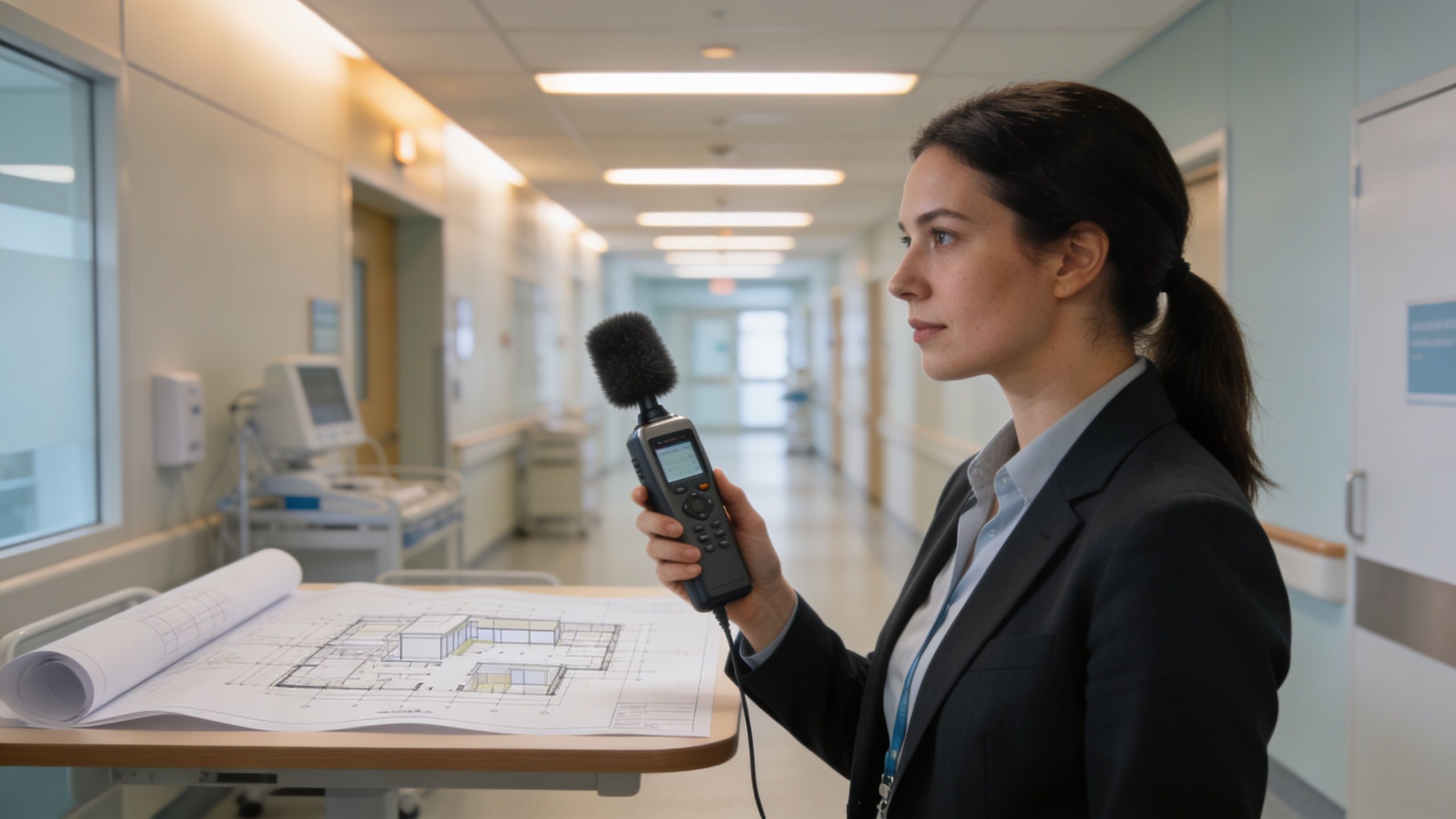
Hospital noise affects far more than comfort. It can disturb patient rest, make speech privacy harder to protect and add to an already demanding working environment for clinical staff.
A useful noise-reduction plan starts by identifying where sound is coming from: alarms, trolleys, hard surfaces, doors, conversations and busy circulation routes. Acoustic ceilings and wall treatments can reduce reverberation, while better zoning helps separate noisy support functions from recovery areas. Enclosed pods can also provide private space for consultations, family discussions, staff administration and focused work without major building work.
Technology and behaviour matter too. Alarm settings, staff routines and quiet-hour policies should support the physical design. The strongest approach combines better surfaces, smarter planning and dedicated quiet spaces rather than relying on signs asking people to keep the noise down.
A useful noise-reduction plan starts by identifying where sound is coming from: alarms, trolleys, hard surfaces, doors, conversations and busy circulation routes. Acoustic ceilings and wall treatments can reduce reverberation, while better zoning helps separate noisy support functions from recovery areas. Enclosed pods can also provide private space for consultations, family discussions, staff administration and focused work without major building work.
Technology and behaviour matter too. Alarm settings, staff routines and quiet-hour policies should support the physical design. The strongest approach combines better surfaces, smarter planning and dedicated quiet spaces rather than relying on signs asking people to keep the noise down.
For more information on How to Reduce Noise in Hospitals: Your 2026 Guide talk to GIBBSONN Limited
Welcome back to FindTheNeedle.
Not registered? Get listed — most visitors don't have an account yet.
List your company on FindTheNeedle.