 Get Listed


Heat Pumps vs Traditional Heating
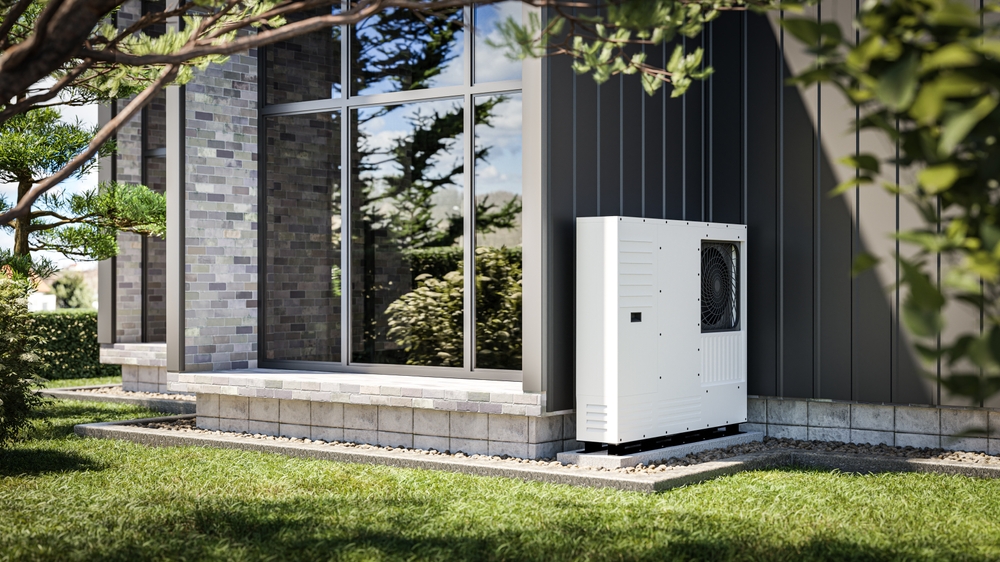
Keeping your home warm and comfortable while managing energy costs is a challenge many homeowners face. At Chillmech, we understand the importance of efficient, reliable heating solutions. With nearly 50 years of experience in supplying, installing, servicing, and repairing heat pumps and air conditioning systems, our team is committed to helping you upgrade your home’s heating system sustainably and cost-effectively.
In this post, we’ll explore the differences between traditional heating systems and modern heat pumps, explain how heat pumps work, and outline the benefits they bring. Whether you’re looking to reduce your carbon footprint, save on energy bills, or simply enjoy a more comfortable home, understanding these options is the first step towards a smarter heating solution.
For more information about our services or to book your domestic heat pump installation, please don’t hesitate to get in touch with us today!
What is a heat pump?
A heat pump is a low-carbon, energy-efficient alternative to traditional heating systems. Unlike conventional boilers or electric heaters that generate heat through combustion or resistance, heat pumps transfer heat from one place to another. They can extract heat from the air, ground, or water around your home and upgrade it to a temperature suitable for heating indoor spaces or providing hot water.
Heat pumps are particularly effective in modern homes designed for energy efficiency, but they can also be retrofitted into older properties. By relying on renewable sources of heat rather than fossil fuels, heat pumps significantly reduce carbon emissions while keeping your home cosy throughout the year.
How do heat pumps work?
Heat pumps operate on a simple principle: they move heat rather than create it. Here’s how the process works:
Heat Absorption
The system draws heat from the outside air, ground, or water. Even in cold temperatures, there is some thermal energy available for extraction. This means that heat pumps can still operate efficiently in winter, making them suitable for year-round heating.
Evaporation
This heat warms a refrigerant fluid within the heat pump, causing it to evaporate into a gas. The refrigerant’s low boiling point allows it to absorb even small amounts of ambient heat and transform it into usable energy for your home.
Compression
The gaseous refrigerant passes through a compressor, which increases its pressure and temperature, similar to how a bicycle pump gets hot when you compress air. This step is what “boosts” the heat to a higher, usable temperature suitable for central heating or hot water.
Heat Distribution
The heated gas flows through a heat exchanger inside the home, transferring warmth to air or water used in central heating or underfloor heating systems. This process ensures that every corner of your home receives consistent warmth without relying on burning fuel.
Recycling
As the gas loses its heat to the home, it condenses back into a liquid, and the cycle repeats until your thermostat’s temperature setting is reached. This continuous recycling makes the system highly efficient and reduces energy waste compared to traditional heating methods.
This continuous cycle allows heat pumps to maintain a consistent indoor temperature efficiently, while also offering the potential to provide cooling during warmer months if combined with an air-conditioning function.
Heat Pumps vs Traditional Heating: Why It’s Time to Upgrade Your Home
Switching from traditional heating methods to a heat pump may seem like a big step, but the advantages are substantial. Here’s why upgrading is worth considering:
Energy Efficiency
Traditional boilers often lose a significant amount of energy as heat escapes through flues or pipework. Heat pumps, on the other hand, can produce up to three times more heat energy than the electricity they consume, making them far more efficient. This efficiency reduces wasted energy, meaning you get more warmth for less electricity. Over time, this can significantly reduce your household’s environmental footprint.
Cost Savings
While the initial installation cost of a heat pump may be higher than that of a conventional boiler, homeowners often see a reduction in energy bills over time. Avoiding reliance on gas, oil, or LPG allows you to benefit from more stable electricity prices. Many households find that the reduced running costs can offset the upfront investment within a few years. Additionally, government incentives and grants can make installation more affordable than ever.
Lower Carbon Footprint
Heating accounts for around 40% of global energy emissions. By choosing a heat pump, you contribute to lowering carbon emissions, helping tackle climate change while making your home more environmentally friendly. Using a heat pump reduces reliance on fossil fuels and helps your home meet modern sustainability standards. This also aligns with the UK’s commitment to net-zero emissions, making your property future-ready.
Dual Functionality
Many heat pump systems provide both heating and cooling, meaning your home can stay comfortable all year round without the need for separate systems. This versatility eliminates the need for an additional air-conditioning unit during the summer months. It also simplifies your home’s energy management, allowing a single system to maintain the perfect indoor climate.
Consistent Comfort
Heat pumps deliver a steady and even temperature, unlike traditional systems that may produce hot and cold spots. This is particularly true with underfloor heating, which works seamlessly with heat pump technology. The gentle, continuous heat also helps prevent the drying effects often caused by traditional radiators. This means your home feels naturally cosy without extreme temperature swings.
Future-Proofing Your Home
With the UK government increasingly encouraging low-carbon heating solutions, installing a heat pump can increase your property’s value and align your home with future regulations. Early adoption of heat pump technology may also make your home more appealing to energy-conscious buyers in the future. Plus, as fossil fuel prices rise, your home will remain more cost-efficient and sustainable.
Quiet Operation
Heat pumps operate quietly compared to traditional boilers or furnaces, offering a more peaceful home environment. This makes them ideal for homes where noise reduction is important, such as in bedrooms or study areas. Many modern units are designed to blend seamlessly into your property without drawing attention to themselves.
Minimal Maintenance
Heat pumps require less maintenance than traditional heating systems. Annual servicing ensures optimal performance, but they generally last longer without major repairs. Unlike boilers, there is no need for regular flue inspections or gas safety checks. This makes heat pumps a convenient, low-stress solution for homeowners.
Upgrading to a heat pump is not just a change in technology; it’s an investment in comfort, efficiency, and sustainability. By making the switch, you’re taking a significant step toward reducing your energy bills, lowering your carbon footprint, and enjoying a modern, reliable heating solution for years to come.
The Benefits of Heat Pumps For Your Home
Reduced Energy Bills
By harnessing ambient heat from the environment, heat pumps use less electricity than electric or oil-based heating systems, translating into lower energy costs. Over time, this efficiency can lead to substantial savings, especially for households that previously relied on oil or LPG heating.
No VAT on Installation
Currently, many heat pump installations qualify for zero VAT in the UK, which can make the upfront cost more manageable compared to traditional systems. This incentive can make the switch to a heat pump significantly more affordable, reducing financial barriers for homeowners.
Environmental Impact
Switching to a heat pump reduces your reliance on fossil fuels, significantly lowering your household’s carbon emissions. By using renewable energy sources, you contribute to a cleaner environment and help the UK meet its net-zero targets.
Heating and Cooling in One
A single heat pump can provide year-round climate control, removing the need for separate air conditioning systems. This dual functionality means you only need one system to keep your home comfortable in both winter and summer.
Enhanced Property Value
Energy-efficient homes are more attractive to buyers. Installing a heat pump can increase your property’s market value and appeal. Potential buyers are increasingly looking for homes with sustainable features, making a heat pump a smart investment for resale.
Reliable and Consistent Heat
Heat pumps maintain a steady temperature without the fluctuations often experienced with radiators and gas boilers. This consistent warmth improves comfort levels throughout your home and eliminates cold spots.
Quiet and Low-Maintenance
Heat pumps operate with minimal noise and require only an annual service, ensuring long-term reliability and peace of mind. This means you can enjoy a warm home without the constant hum or clatter of traditional heating systems.
Flexible Installation
Heat pumps can integrate with underfloor heating, radiators, hot water cylinders, and even swimming pools, offering versatile solutions for various properties. This flexibility allows them to be tailored to your home’s specific layout and heating requirements.
Government Incentives
Homeowners may benefit from grants or incentives aimed at promoting low-carbon heating solutions, making the switch even more financially appealing. These schemes can further reduce the upfront cost, helping you start saving on energy bills sooner.
How can Chillmech help?
At Chillmech, we specialise in domestic heat pump solutions across Kent and the surrounding areas. With nearly 50 years of experience, our highly-trained team is dedicated to providing a seamless service from start to finish. Here’s how we can support you:
Free Survey & Quote
We’ll assess your property to recommend the best heat pump solution for your needs, completely free of charge.
Professional Installation
Our engineers are trained in Daikin Altherma and Mitsubishi Ecodan systems, ensuring a precise and efficient installation.
Servicing & Repairs
Annual servicing keeps your system running efficiently, while our repair team is on hand to resolve any issues.
Custom Solutions
Whether for underfloor heating, hot water, or even pools, we tailor heat pump installations to your home.
Customer Satisfaction
Our focus is your comfort and satisfaction – we ensure every system we install performs optimally.
At Chillmech, our mission is to make upgrading your home heating simple, efficient, and sustainable. Contact us today to arrange your FREE site survey.
In Conclusion: Make the Smart Switch Today
Upgrading from traditional heating to a heat pump isn’t just a trend—it’s a smart, sustainable choice for your home, your wallet, and the planet. With energy efficiency, lower bills, and the flexibility to heat and cool your home, heat pumps represent the future of home comfort.
Chillmech’s experience, expertise, and commitment to customer satisfaction make us the ideal partner for your heat pump journey. Don’t wait – take the step towards a warmer, greener, and more comfortable home and contact our team today!
FAQs
What is a heat pump?
A heat pump transfers heat from the air, ground, or water into your home for heating or hot water.
How do heat pumps work?
They extract ambient heat, compress it to raise the temperature, and distribute it through your home via air or water systems.
Are heat pumps more efficient than boilers?
Yes, heat pumps can produce up to three times more energy than they consume, making them far more efficient.
Do heat pumps work in cold weather?
Modern heat pumps can extract heat even in temperatures as low as -20°C, making them effective year-round.
Can a heat pump provide cooling as well?
Yes, many systems also function as air conditioning, providing both heating and cooling.
How much does a heat pump cost?
Costs vary depending on the system and property. Chillmech offers free surveys and quotes to determine the best solution.
Do heat pumps require maintenance?
Annual servicing is recommended to maintain efficiency and longevity, but major maintenance is minimal compared to traditional systems.
Will a heat pump reduce my energy bills?
Yes, because heat pumps use ambient heat, they are typically cheaper to run than oil, LPG, or electric heating.
Are there government incentives for heat pumps?
Some schemes offer grants or zero VAT on installation, helping reduce upfront costs.
Can Chillmech install a heat pump in any home?
We provide solutions for a wide range of properties and heating requirements, tailoring each installation to the homeowner’s needs.
Ready to upgrade your home’s heating?
Contact Chillmech today for your FREE survey and quote. Let our nearly 50 years of experience guide you to a more energy-efficient, comfortable, and sustainable home.
For more information on Heat Pumps vs Traditional Heating talk to Chillmech Limited