 Get Listed


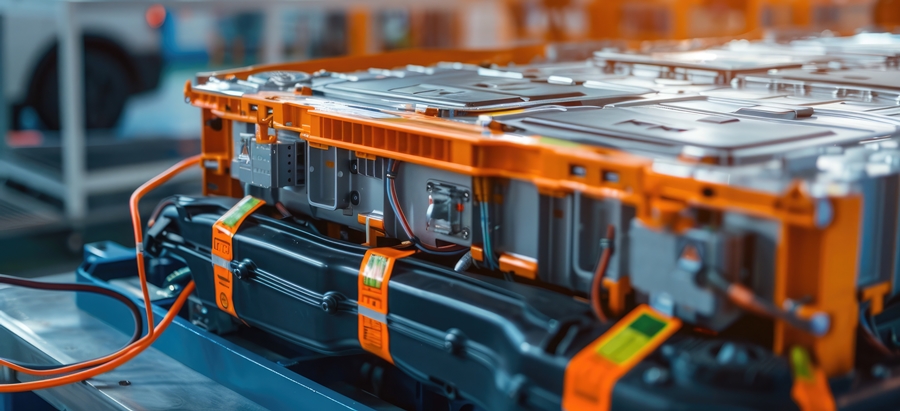
As electric vehicles (EVs) navigate a complex market with fluctuating sales and varying levels of investment from car manufacturers, ensuring the safety, reliability, and performance of their batteries remains paramount. While some car manufacturers are scaling back on their EV investments and growth rates are not as rapid as once predicted, the foundational need for robust battery testing persists. This ensures that the existing and new EV models maintain high standards of safety and performance, crucial for both regulatory compliance and consumer confidence.
One of the key aspects of ensuring these factors is rigorous testing, particularly vibration and shock testing. These tests simulate the harsh conditions that batteries might encounter during the vehicle’s lifespan, including rough roads, sudden impacts, and other stresses. Proper testing ensures that the batteries can withstand these challenges without compromising performance or safety.
International Standards for Vibration and Shock Testing
To standardise the testing procedures and ensure consistent quality across the industry, several international standards have been established. Three of the most commonly used standards for EV battery vibration and shock testing are UN 38.3, ISO 12405-1, and SAE J2380.
UN 38.3
The UN 38.3 standard is part of the United Nations Manual of Tests and Criteria. It outlines the requirements for lithium batteries to be transported safely. This standard includes several tests, such as altitude simulation, thermal tests, vibration, shock, external short circuit, impact, overcharge, and forced discharge. The vibration test under UN 38.3 involves subjecting the battery to harmonic motion with varying frequencies to ensure it can endure the rigors of transport without leakage, venting, disassembly, rupture, or fire.
ISO 12405-1
ISO 12405-1 is part of a series of standards that specify test procedures for high-voltage batteries used in electric road vehicles. This standard focuses on performance testing, including electrical, thermal, and mechanical tests. The vibration and shock tests in ISO 12405-1 aim to assess the battery’s mechanical robustness. The vibration test simulates long-term exposure to vibrations encountered during the vehicle’s operation, while the shock test simulates sudden impacts that the battery might experience.
SAE J2380
SAE J2380 is a standard developed by the Society of Automotive Engineers (SAE) that provides a test procedure for evaluating the vibration durability of EV batteries. It specifies the methods for conducting vibration and mechanical shock tests, ensuring that batteries can withstand the dynamic environment of automotive applications. The tests involve applying random vibration profiles and mechanical shocks to the battery to simulate real-world conditions.
ETS Vibration Shakers with IPA Amplifier Technology
To meet these stringent standards, advanced testing equipment is essential. ETS Vibration Shakers with IPA Vibration Test Amplifiers are designed to fulfill the requirements of battery vibration and shock test standards like UN 38.3, ISO 12405-1, and SAE J2380. This state-of-the-art vibration test equipment provides precise control and reliable performance, ensuring that batteries are tested accurately and thoroughly.
The Vibration Controller software enhances testing accuracy by providing detailed monitoring and control of test parameters. This software allows for real-time adjustments and data collection, ensuring that each test adheres to the specified standards and delivers consistent, repeatable results.
Investing in reliable testing equipment not only helps in complying with industry standards but also enhances the overall quality and safety of electric vehicles, contributing to a more sustainable and efficient future of transportation.
For more information on The Importance of Electric Vehicle Battery Testing talk to CentraTEQ Ltd