 Get Listed


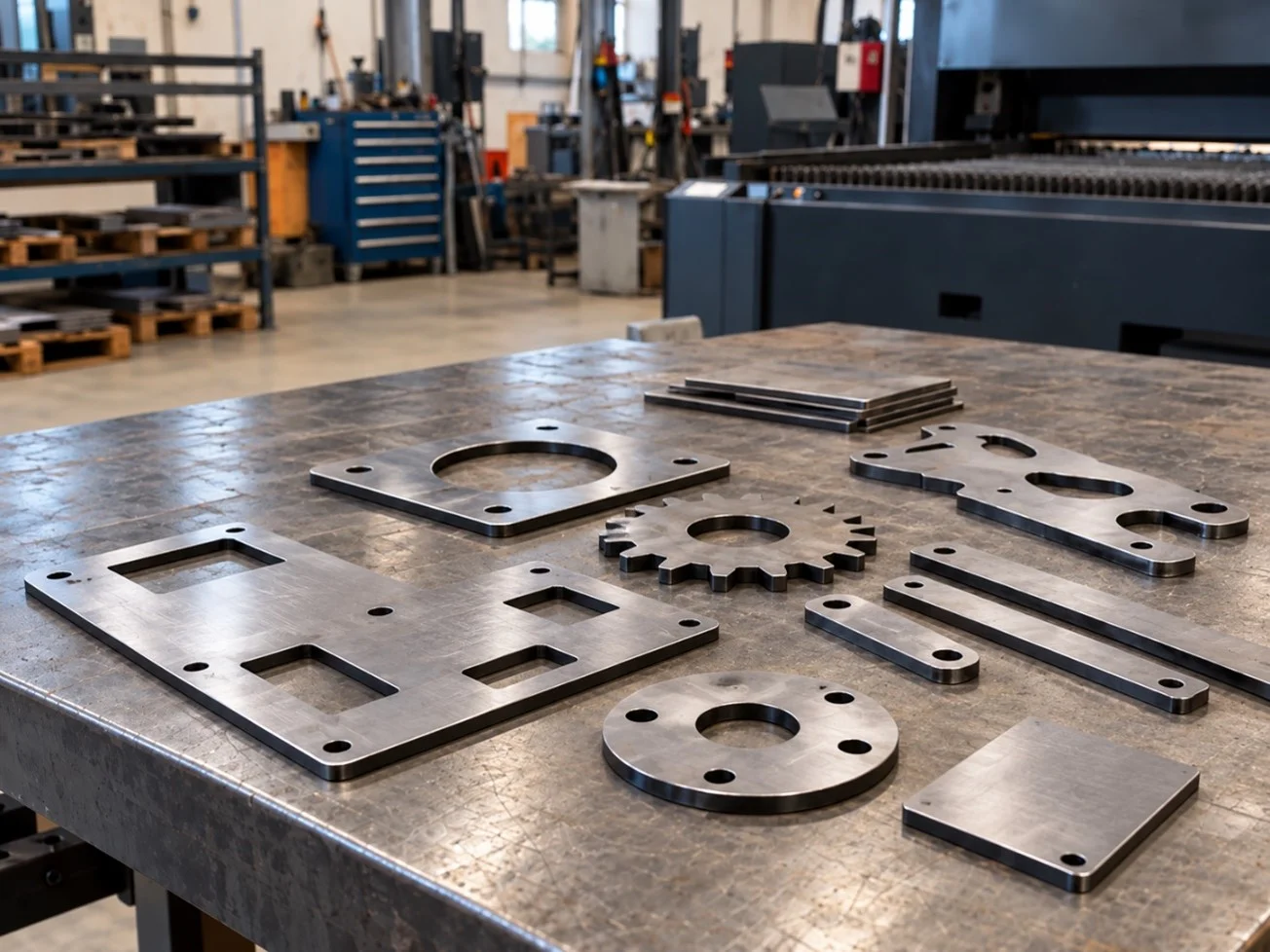
Central Laser Services has published guidance on choosing between mild steel and stainless steel for laser-cut components. The decision should begin with the engineering specification, the working environment and the finish required, rather than assuming that one material is always better.
Mild steel is often a cost-effective option for general engineering. Stainless steel can be more suitable where corrosion resistance, moisture exposure or an exposed metal surface is part of the requirement. Choosing correctly at the design stage helps avoid unnecessary expense and unsuitable components.
Where mild steel is a practical choice
Brackets, panels, machine parts and other profiles used in dry, controlled environments may not need the additional corrosion resistance of stainless steel. Mild steel can also make commercial sense when the component will receive paint, powder coating or another appropriate protective finish.
Its generally lower material cost can become particularly relevant on larger production runs. Specifying stainless steel where its properties add no practical value may increase the budget without improving the finished part.
When stainless steel may be preferable
Stainless steel offers greater inherent corrosion resistance than unprotected mild steel. Chromium allows a passive oxide layer to develop on the surface, which helps protect the material in suitable conditions.
This can make it a useful choice for components exposed to moisture or applications where applying and maintaining a coating would be undesirable. It may also suit parts where the metal surface remains visible as part of the finished design.
However, corrosion-resistant does not mean corrosion-proof. The chosen grade and the operating conditions still need to be considered, particularly in demanding environments.
Compare the overall finished cost
The initial material price is only one part of the calculation. A lower-cost mild steel component may need further finishing, while a higher-cost stainless steel part may avoid a coating where the specification permits.
The best choice therefore depends on the combination of performance and total project cost. Central Laser Services highlights the following considerations:
- The environment in which the component will operate.
- The specified material grade and thickness.
- Production quantity and engineering requirements.
- Corrosion protection and finishing needs.
- The expected service life.
If mild steel already meets the requirements in a dry, protected setting, paying more for stainless steel may offer little benefit. Where inherent corrosion resistance is essential, an appropriate stainless grade may be the more sensible starting point.
Material selection affects the cutting process
Both steels are suitable for fibre laser cutting, but the process settings must match the material and its thickness. Power, cutting speed, focus and assist gas influence cutting performance and edge quality.
A clear specification helps the cutting team assess the work accurately. Customers should provide a suitable 2D CAD file together with the material, thickness, quantity and any relevant delivery requirements.
Central Laser Services provides fibre laser cutting of 2D flat profiles in both mild steel and stainless steel, covering thicknesses from 0.7 mm to 25 mm.
Five checks before specifying a material
- Location: will the part be used indoors in controlled conditions or regularly exposed to moisture?
- Corrosion: does the specification require inherent resistance?
- Coating: will paint, powder coating or another finish be applied?
- Appearance: will the metal surface remain exposed?
- Performance: what do the drawing and engineering requirements demand?
Cost remains important, but it should not take precedence over component suitability. The drawing, environment and required performance should guide the final choice.
Frequently asked questions
Is stainless steel always the better option?
No. Its corrosion resistance is valuable where needed, but mild steel can be a more economical choice when it meets the engineering and environmental requirements.
Does mild steel always need a coating?
That depends on its use and surroundings. An appropriate coating or finish may be necessary where additional corrosion protection is required.
Can stainless steel corrode?
Yes. The grade and exposure conditions affect its performance, so it should be treated as corrosion-resistant rather than corrosion-proof.
What is needed for a cutting quotation?
A suitable 2D CAD file, material specification, thickness, quantity and relevant delivery requirements give the team the information needed to assess the job.
For more information on Laser Cutting Mild Steel vs Stainless Steel: Which Is Right for Your Project? talk to Central Laser Services