 Get Listed

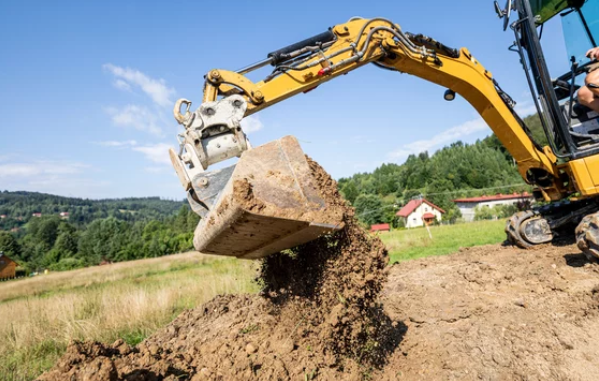
A Geotechnical investigation is a systematic process undertaken to understand the subsurface characteristics of a site, assess soil and rock properties, and identify potential geotechnical risks and challenges. In the United Kingdom, this process is fundamental to informed decision-making for construction, infrastructure development, and land use planning. The primary objectives of a geotechnical investigation include:Site Suitability: To determine if the ground conditions are suitable for the intended development, considering factors like soil type, stability, and bearing capacity.Risk Identification: To identify potential geotechnical hazards such as ground subsidence, landslides, liquefaction, and other issues that could impact the safety and stability of structures.Foundation Design: To provide essential information for designing foundations that can safely support the proposed structures and distribute loads effectively.Infrastructure Planning: To assess ground conditions for the design of roads, bridges, tunnels, and other infrastructure projects, considering factors like slope stability and ground movement.Earthworks Design: To guide the design and construction of earthworks, embankments, and excavations with consideration of soil mechanics and stability.Environmental Impact: To assess potential impacts on the environment, such as contamination and groundwater movement, and develop mitigation measures.
For more information on Castledine Environmental - Geotechnical investigation talk to Castledine Environmental