 Get Listed


Wine Red uPVC Centre Joint Shiplap Cladding Trim
Product Code: GCJWR
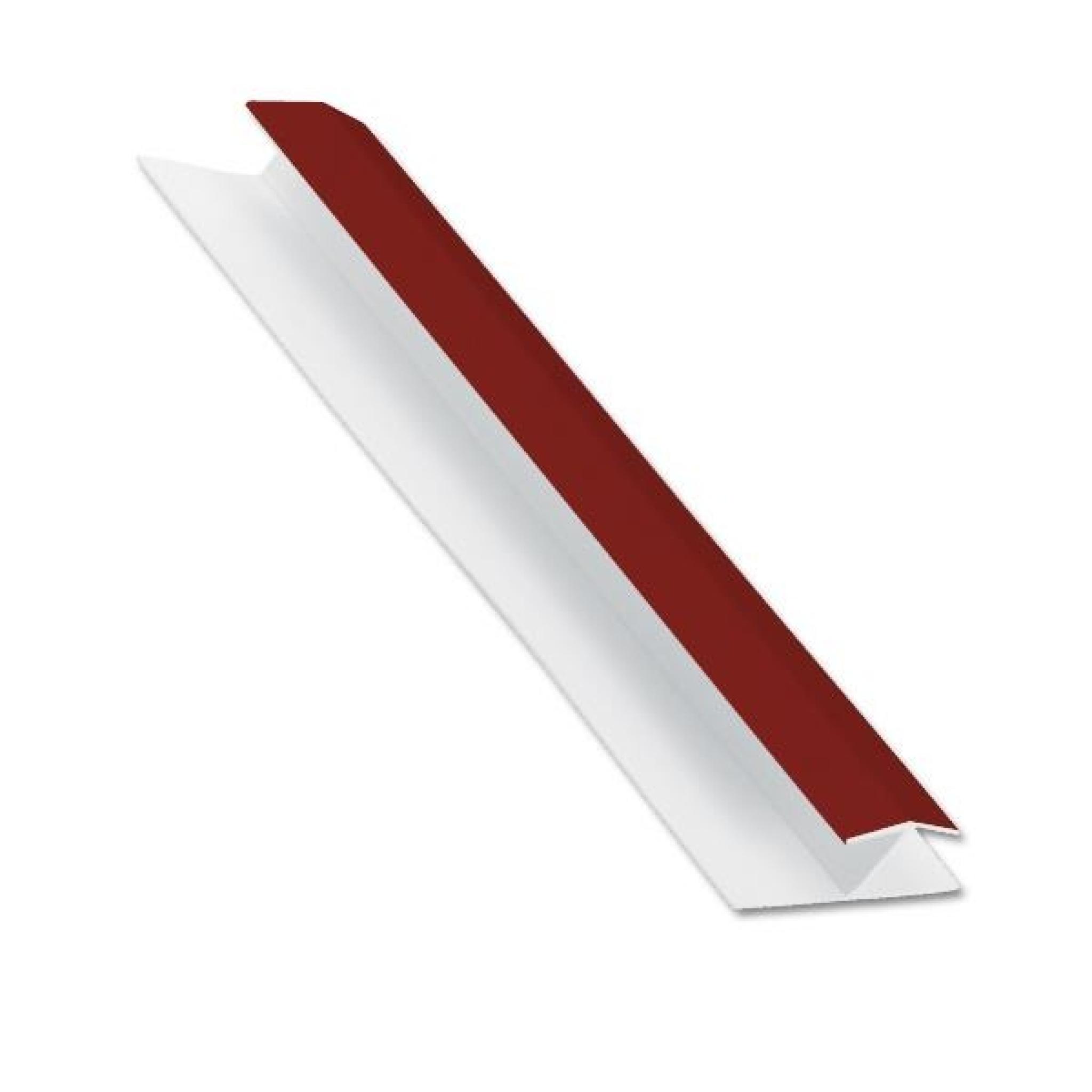
Wine Red uPVC Centre Joint Shiplap Cladding Trim
The Wine Red uPVC Centre Joint Shiplap Cladding Trim is an option when planning cladding installations. Use product code GCJWR when selecting or ordering this item.
The Wine Red uPVC Centre Joint Shiplap Cladding Trim is intended for creating seamless and professional joins between cladding panels. Designed to complement Wine Red Shiplap Cladding, this trim ensures a polished and cohesive finish, making it suitable for both residential and commercial exterior projects. Its vibrant wine red finish adds a bold and striking touch to your property's exterior.
Durable and Weather-Resistant Design.
Made from quality UPVC, this centre joint trim is designed to resist demanding weather conditions, including rain, wind, and UV exposure. The durable, rot-resistant material maintains its structural integrity over time, while the UV-stable wine red finish prevents fading or discoloration, supporting lasting visual appeal.
Fitting considerations and Low Maintenance.
The Wine Red Centre Joint Trim is designed for straightforward fitting, with its lightweight material being simple to cut and position. Its 5m length provides generous coverage, making it suitable for a variety of applications. Requiring only occasional cleaning, the low-maintenance UPVC ensures your exterior stays fresh and vibrant with minimal effort.
Complete your cladding project with the Wine Red uPVC Centre Joint Shiplap Cladding Trim for a durable and professional result that stands out.
Plan the wall layout before cutting sheets, panels or matching finishing profiles. Identify the positions of internal and external corners, door openings, windows, service penetrations and junctions with other finishes. Working from the actual wall dimensions helps establish where the joints will fall and whether an alternative layout could reduce small cuts or awkward strips near the edges.
The underlying wall must be appropriate for the selected cladding system. Check its flatness, condition and suitability for the specified adhesive or mechanical fixing method. Existing damp, loose coatings or damaged backgrounds need to be addressed rather than hidden behind the new surface. Follow the manufacturer's preparation guidance, particularly in areas where water exposure or frequent cleaning is expected.
Look at the visible surface and the associated trims as a coordinated finish. Similar colours can differ in sheen or undertone, and a mismatch is often more noticeable at a corner than across a broad wall. Where appearance is important, compare samples under the actual lighting in the room. Confirm the profile dimensions and the compatibility of each finishing component with the chosen panels.
A hygienic or decorative wall surface is only one element of the finished installation. Joints, cut-outs and transitions to other materials require the correct detailing for the intended use. If the project has specific hygiene, fire, waterproofing or building compliance requirements, obtain the relevant product and system documentation before specifying it. Do not rely on the visual finish alone as evidence of compliance.
Check what is supplied with the item and what is required separately before arranging work. A description of a larger system does not necessarily mean that all of its components are included in a single listing. Refer to the product information and packing details for the chosen option, and contact the supplier if the required contents or compatible accessories are not clear.
For ordering purposes, use the product reference in this listing alongside the name and any selected option. A product family may contain several sizes or finishes, and the name shared by that family does not identify every individual version. Check that the reference on the order confirmation matches the item required, particularly when several similar components are being purchased for the same project.
Think about how the finished area will be accessed after the work is complete. If inspection, cleaning or replacement is likely to be necessary, consider whether the planned layout allows for it without disturbing unrelated materials. Follow the maintenance and access requirements for the particular system, especially where a component will be concealed by subsequent work.
Before making irreversible cuts or alterations, compare the item with the actual installation and check the necessary clearances. Where the system instructions permit trial positioning, use it to assess the layout before final fixing. If a proposed change affects the product's function or compatibility, obtain advice specific to the item before proceeding.
For more information on Wine Red uPVC Centre Joint Shiplap Cladding Trim talk to Building Plastics Online Limited