 Get Listed


White Sunwood Plastic Spider Top Cap
Product Code: SUN-STSTW
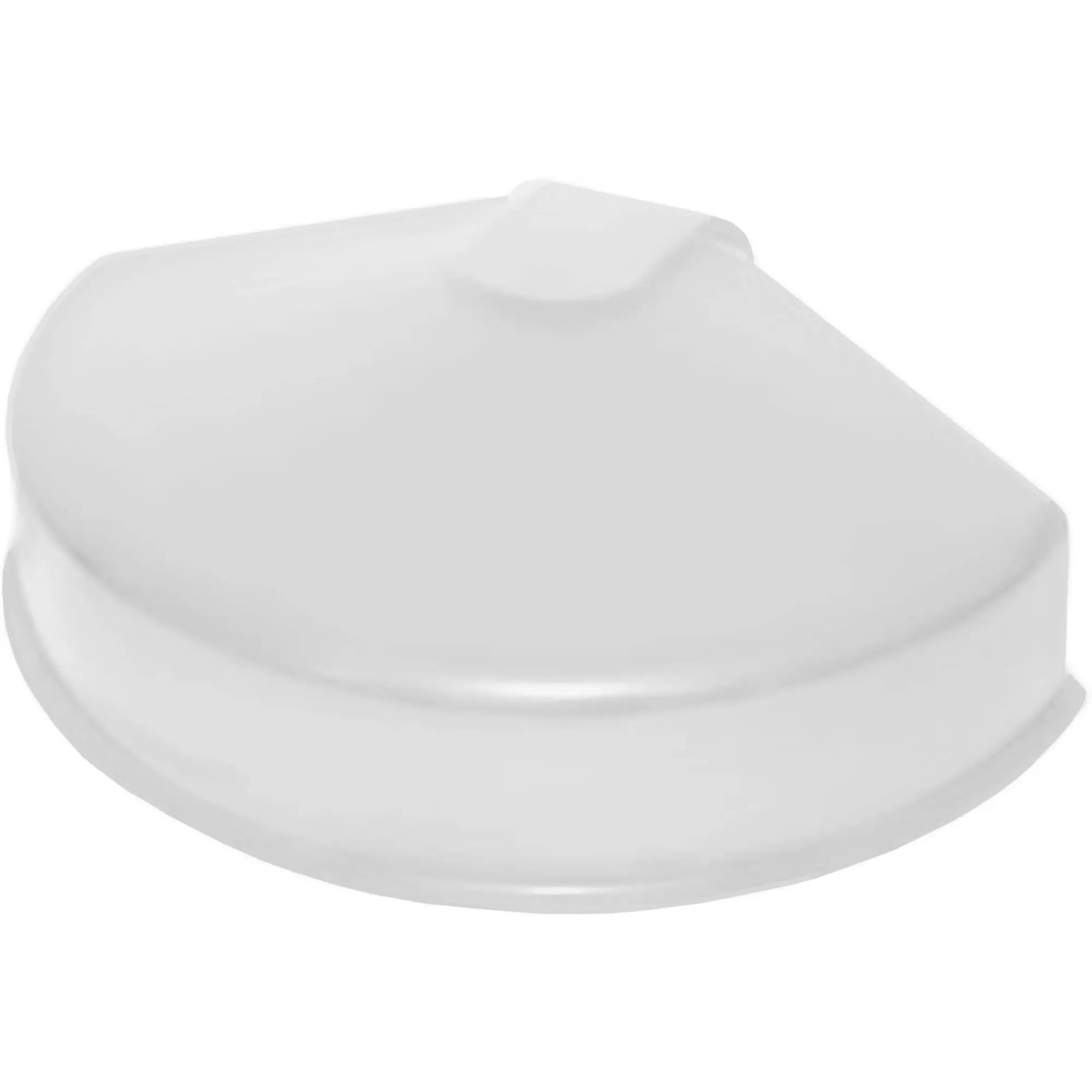
White Sunwood Plastic Spider Top Cap
When comparing products for your project, use the specifications for White Sunwood Plastic Spider Top Cap to check the required configuration. Use product code SUN-STSTW when selecting or ordering this item.
Enhance your roofing system with the versatile White Sunwood Plastic Spider Top Cap, a perfect alternative to the traditional aluminium cast Spider. Available in white or brown, this customisable top cap is designed to accommodate various glazing thicknesses and rafter bar positions, making it ideal for use with Hip Bars.
Product features:
Material: Made from durable PVCu, the Plastic Spider Top Cap offers robust protection and a perfect fit over deeper profile Hip Bars.
Customisable Design: Can be precisely cut to match the profiles of the Hip and Main bars, ensuring a seamless fit on the ridge and over the glazing material.
Versatility: Its larger size compared to the aluminium version allows it to cover a wider range of structural configurations.
System Compatibility: Integrates neatly with the Sunwood Ridge and works effectively with the combined Sunwood Cresting & Finial, which helps secure the Top Cap in place.
Installation Ease: Features an easy-fit system that simplifies the installation process, enhancing usability and efficiency.
Maintenance: Requires no annual painting, providing a maintenance-free solution while ensuring a quality, consistent finish.
Durability: Offers a 5-year guarantee, underscoring its long-term reliability and performance.
Installation of the Plastic Spider Top Cap involves sliding the Sunwood Cresting into the Cresting Channel, adjusting the Top Cap over the Hip Bars if necessary, and then securing the combined Cresting & Finial into place. This multi-step process ensures that the Plastic Spider Top Cap remains securely fitted, providing both structural support and aesthetic enhancement to your conservatory’s roof.
Start by planning the dimensions of the glazing area and the layout of its supports. Measure the actual openings and allow for the engagement of the sheet or profile within the chosen glazing system. Nominal sheet dimensions are not necessarily the same as the finished coverage. A cutting schedule based on the real installation is more useful than selecting a size solely from the overall area.
The sheet thickness, glazing profile and intended application must be considered together. Different glazing systems accommodate different material thicknesses and have their own requirements for support, movement and edge finishing. Do not assume that a sheet can replace another thickness without checking the bars, seals and supports. For overhead glazing, the suitability of the complete structure should be confirmed before purchase.
Think about the desired level of daylight, privacy and solar exposure when comparing glazing finishes. The position of the structure, its orientation and nearby surfaces all influence how the finished installation will feel. Compare the specified finish with the other materials used in the project, and use the manufacturer's published performance information if a particular thermal or light transmission target is important.
Keep glazing products protected from damage during transport and preparation. When cutting or handling is permitted, follow the relevant guidance for tools, protective films and edge treatment. Establish which face should be exposed and whether the system requires particular tapes, closures or drainage arrangements. These details depend on the selected sheet and profile, so use the actual system instructions rather than applying one method to every type of glazing.
For larger projects, prepare a list of materials and check quantities against the final measured layout. Group items by their intended position so that similar components are not confused during fitting. This also makes it easier to identify which sizes or finishes still need to be ordered if the design changes before the work is complete.
When the work is finished, retain the product reference and any instructions relevant to care and inspection. Use cleaning products and methods that are approved for the material and finish. If the item forms part of a larger assembly, follow the maintenance guidance for that assembly as well. Address any damage or changes in fit promptly rather than relying on cosmetic treatment alone.
Before making irreversible cuts or alterations, compare the item with the actual installation and check the necessary clearances. Where the system instructions permit trial positioning, use it to assess the layout before final fixing. If a proposed change affects the product's function or compatibility, obtain advice specific to the item before proceeding.
For more information on White Sunwood Plastic Spider Top Cap talk to Building Plastics Online Limited