 Get Listed


White Roof Finial
Product Code: GFINW
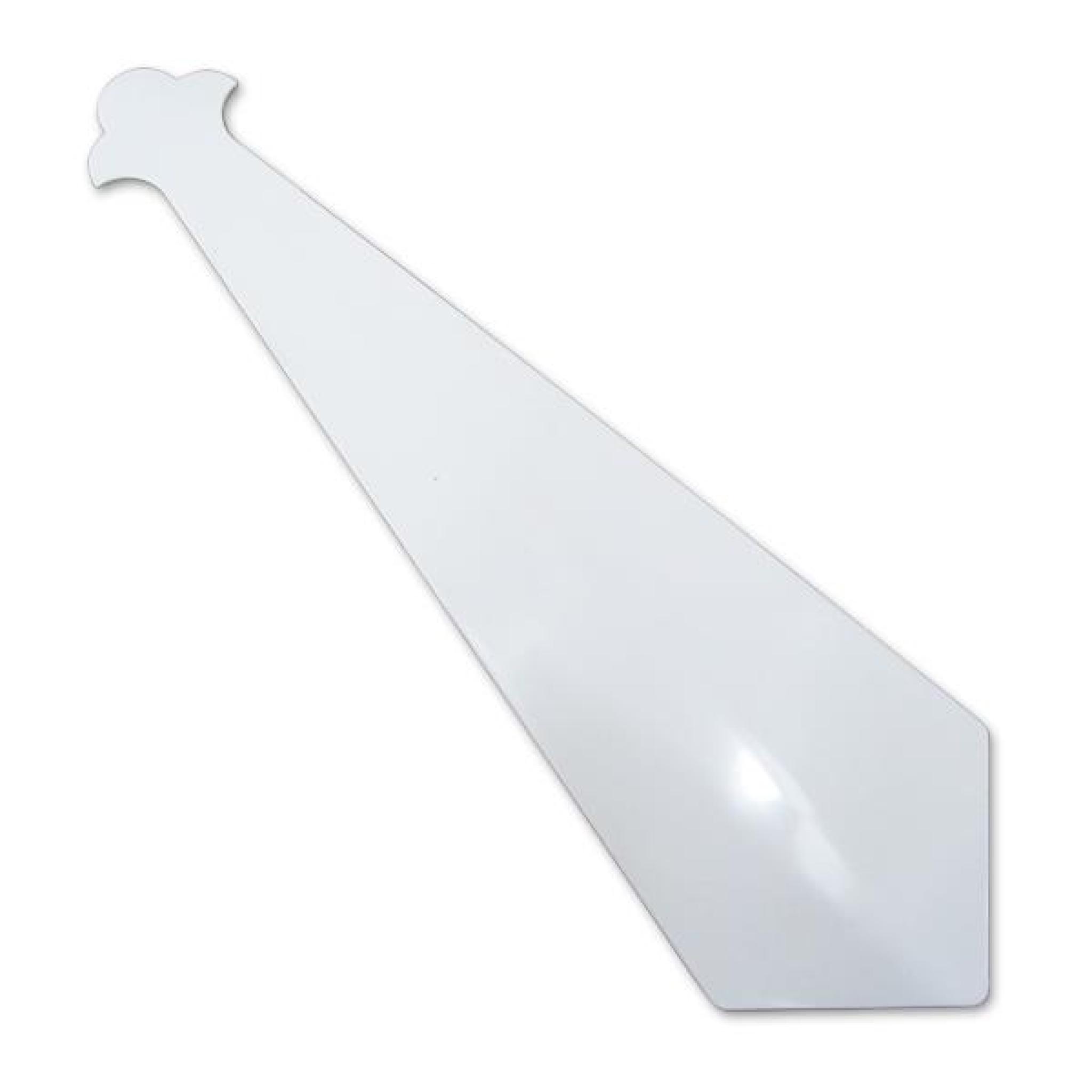
White Roof Finial
When comparing products for your project, use the specifications for White Roof Finial to check the required configuration. Use product code GFINW when selecting or ordering this item.
Stylish Roofline Decoration.
The White Roof Finial is a decorative roofline accessory designed to enhance the appearance of gable ends and ridge points. With its elegant design, this finial brings a touch of character and sophistication to any property, making it suitable for homeowners looking to improve kerb appeal. Made from quality uPVC, it offers both aesthetic appeal and lasting durability.
Durable and Weather-Resistant Construction.
Made from premium uPVC, the White Roof Finial is designed to resist harsh environmental conditions, including UV exposure, rain, and frost. Unlike traditional materials that may fade or deteriorate over time, this finial retains its crisp white finish and structural integrity with little ongoing maintenance. It’s an ideal solution for both residential and commercial applications.
Fitting considerations.
The lightweight design of the White Roof Finial allows for straightforward fitting, making it suitable for both DIY enthusiasts and professional contractors. Designed to complement various roofline styles, it can be seamlessly integrated into new builds or renovation projects.
A Perfect Blend of Functionality and Style.
While primarily decorative, the White Roof Finial also provides a functional benefit by protecting ridge and gable joints from the elements. Its classic design enhances the architectural style of any property, from modern builds to period homes, ensuring a polished and refined finish to your roofline.
About a White Roof Finial?
Combining timeless style, durability, and straightforward installation, the White Roof Finial is the perfect addition to any roofline. Choose this uPVC finial to enhance your property’s exterior while supporting lasting performance and low-maintenance upkeep.
Roofing components need to work with the complete roof covering and the surrounding details. Identify the existing profile, pitch and manufacturer or system where possible, particularly if the work is a repair. The selection should be based on confirmed compatibility and the intended exposure conditions, rather than an assumption that similarly shaped products can be interchanged.
Measure the roof area or edge detail and record changes in direction, junctions and terminations. A layout prepared before ordering helps determine the quantity of primary material and the number of finishing pieces needed. Include the applicable laps, engagement and movement allowances from the chosen system instructions instead of treating the nominal dimensions as finished coverage.
The condition of the structure beneath the visible covering is just as important as the appearance of the finished roof. Investigate existing leaks, movement or damaged supporting materials before enclosing them. Check the specified fixing method, support spacing and weathering details with the manufacturer or a competent roofer. A decorative component should not be assumed to provide structural support.
Arrange safe access and suitable working conditions before starting roof work. Follow the relevant installation instructions for handling, cutting and fastening, and do not walk on materials unless the system specifically provides for that. After fitting, check the junctions and terminations in accordance with the system guidance, paying particular attention to the routes by which water should leave the roof.
Any project with particular performance or regulatory requirements should be checked against the relevant technical documentation. The catalogue description is useful for identifying the product, but is not a substitute for confirmation of suitability in the intended application. Seek clarification about any required rating, classification or guarantee that is not explicitly stated in the available product information.
Before making irreversible cuts or alterations, compare the item with the actual installation and check the necessary clearances. Where the system instructions permit trial positioning, use it to assess the layout before final fixing. If a proposed change affects the product's function or compatibility, obtain advice specific to the item before proceeding.
For larger projects, prepare a list of materials and check quantities against the final measured layout. Group items by their intended position so that similar components are not confused during fitting. This also makes it easier to identify which sizes or finishes still need to be ordered if the design changes before the work is complete.
For more information on White Roof Finial talk to Building Plastics Online Limited