 Get Listed


White Foiled uPVC Soffit Boards - 5m
Product Code: GMB300FW
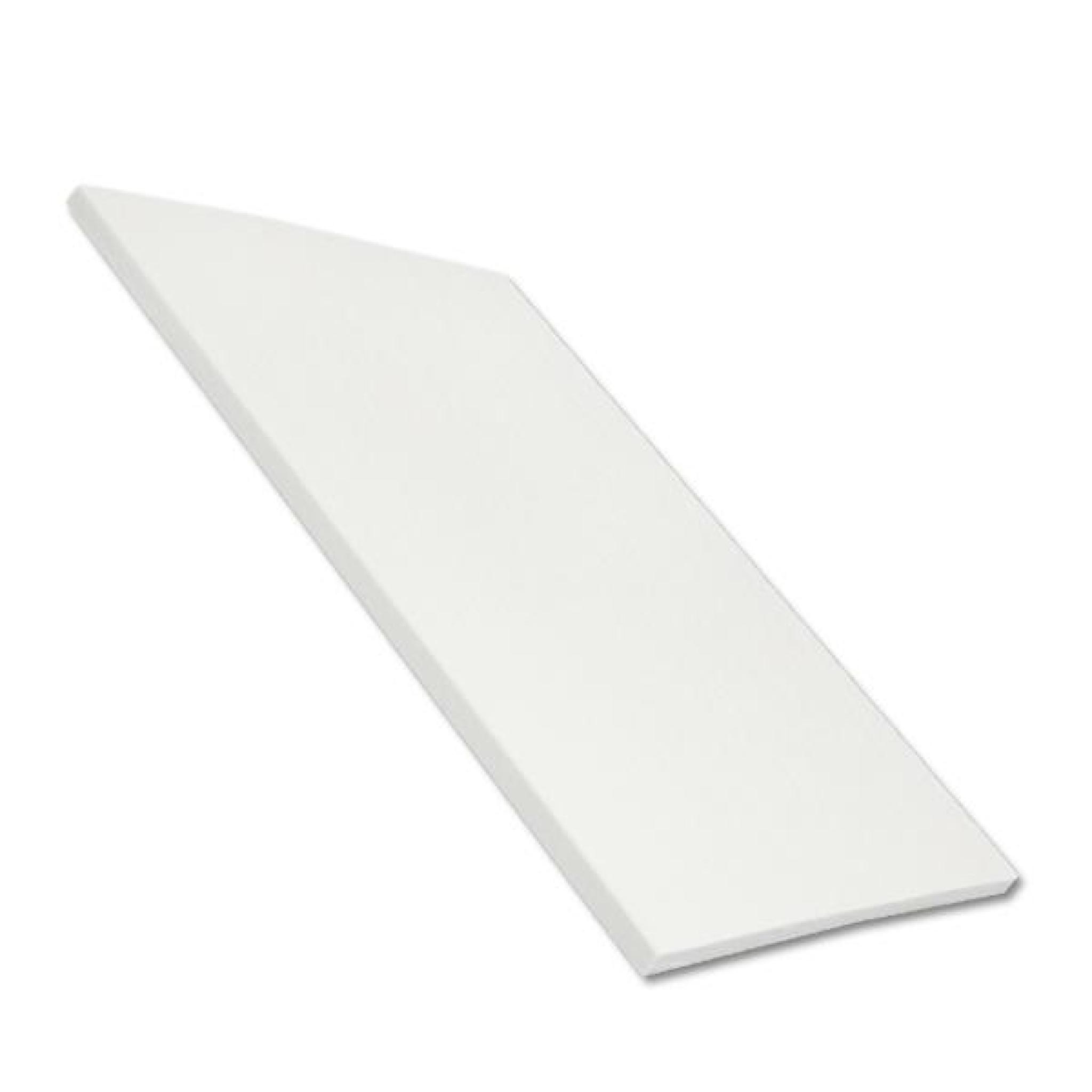
White Foiled uPVC Soffit Boards - 5m – 300mm
For soffit installations, consider the White Foiled uPVC Soffit Boards - 5m. Selected option: 300mm. Use product code GMB300FW when selecting or ordering this item.
Complete your roofline system with our quality White Foiled uPVC Soffit Boards, available in 5m lengths and a variety of widths, including 150mm, 200mm, 300mm, and 400mm. These boards offer a stylish and option requiring little upkeep for protecting the underside of your roofline, ensuring a neat finished detail for your property.
Durable and Weather-Resistant Construction.
Made from premium uPVC, these soffit boards are designed to withstand demanding weather conditions while retaining their pristine appearance. The advanced white foiled finish is resistant to UV rays, discoloration, and cracking, making it an excellent choice for long-term performance. Whether you’re upgrading your roofline or working on a new build, these soffits provide unbeatable durability.
Stylish Finish with Little ongoing maintenance.
The smooth white foiled surface adds a touch of modern elegance to any property, complementing a range of architectural styles. Unlike traditional materials, these uPVC soffit boards require minimal upkeep—just a quick wipe to keep them looking fresh and clean. This option requiring little upkeep saves time and effort while ensuring your roofline always looks its best.
Flexible Sizing for Versatile Applications.
Available in widths of 150mm, 200mm, 300mm, and 400mm, these 5m soffit boards cater to a variety of roofline designs and requirements. Their lightweight yet robust construction simplifies installation, making them ideal for professional installers and DIY enthusiasts alike. Pair them with matching fascia boards for a seamless and cohesive roofline system.
The soffit is the visible underside of the roof overhang, so the layout needs to account for the fascia, wall junction and any changes in the width of the eaves. Measure the overhang at several positions rather than assuming it is uniform. Consider the direction of the visible joints and the finishing detail where the soffit meets a corner or a projecting feature.
Ventilation requirements should be considered as part of the roof design, not inferred from the appearance of a soffit board. If the roof requires ventilation, check the necessary free area and the arrangement of air paths with the relevant system guidance or a competent installer. An existing opening should not be blocked simply because a continuous finish would look neater.
The choice of finishing components affects both the appearance and the practical assembly of the roofline. Identify the supporting framework and compatible edge trims before cutting any material. If replacing an existing soffit, inspect the concealed area for damage or other defects and make any necessary repairs before enclosing it again. Follow the specified support and fixing arrangement for the selected product.
For a consistent finish, compare the soffit with the fascia and other visible roofline components in daylight. Colours and textures that look similar in a catalogue image can appear different when installed next to one another. Allow for corners, joints and cut ends when calculating the total requirement, and keep an accurate note of the chosen range for later repairs.
Before making irreversible cuts or alterations, compare the item with the actual installation and check the necessary clearances. Where the system instructions permit trial positioning, use it to assess the layout before final fixing. If a proposed change affects the product's function or compatibility, obtain advice specific to the item before proceeding.
Allow time to inspect the delivered materials before installation. Compare their identifying labels with the order and check for obvious damage or missing components. Keep items in the condition recommended by the manufacturer until they are needed, and avoid exposing finished surfaces to unnecessary damage during other building work. This is easier than discovering a problem once the materials have already been cut or fitted.
If the product is being purchased for a repair, record the existing item and its surroundings before removing anything. Photographs, measurements and manufacturer references can make it easier to compare the replacement with the original. Where an exact replacement is unavailable, check the implications of a different profile or specification for the remaining components, rather than assuming it can be substituted without changes.
For more information on White Foiled uPVC Soffit Boards - 5m talk to Building Plastics Online Limited