 Get Listed


White Foam Eaves Filler for 6" 'Big Six' Profile
Product Code: ZZZ048-6EF10
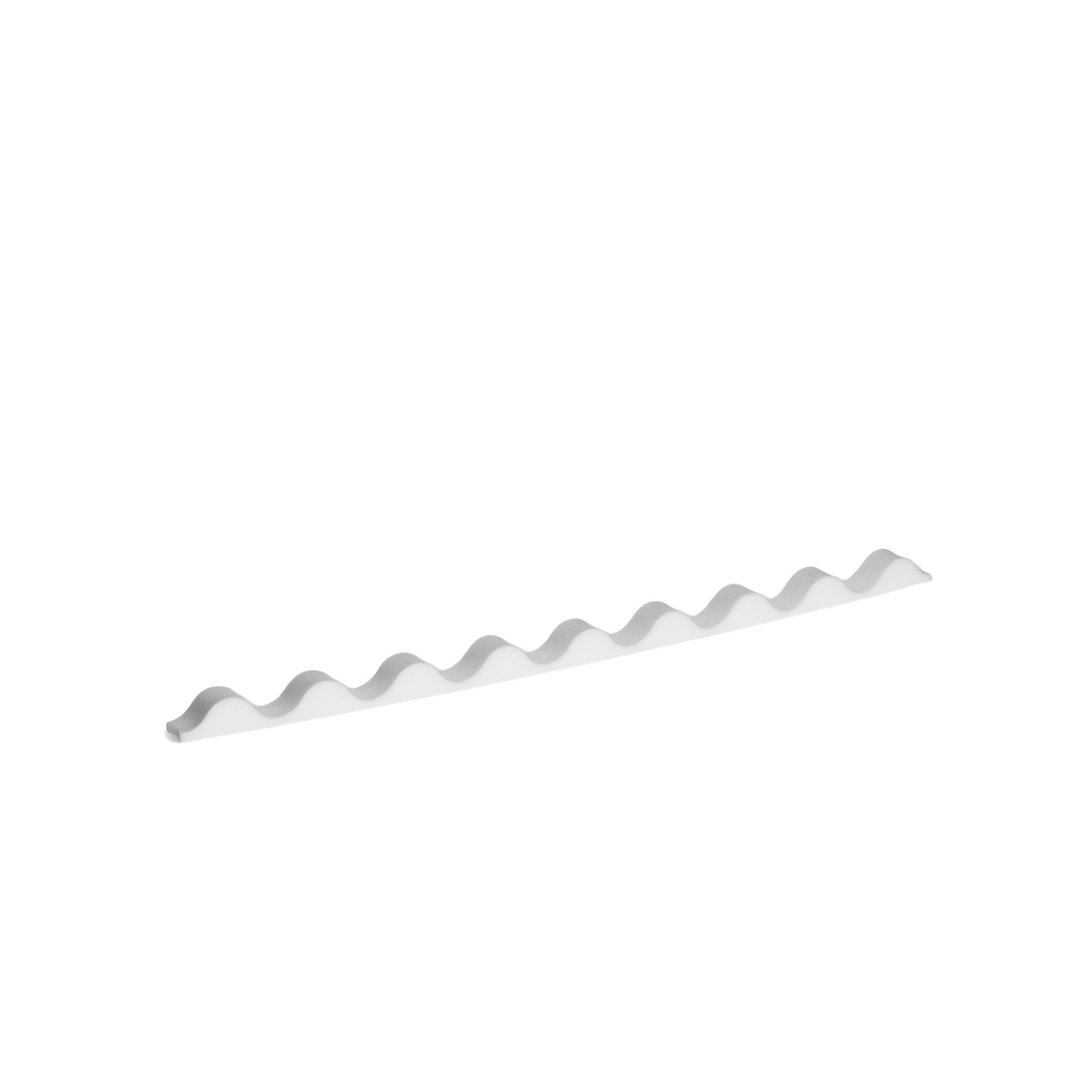
White Foam Eaves Filler for 6" 'Big Six' Profile
For installation finishing, consider the White Foam Eaves Filler for 6" 'Big Six' Profile. Use product code ZZZ048-6EF10 when selecting or ordering this item.
Ensure a secure and weatherproof seal at the eaves of your roofing structure with our Foam Eaves Fillers, made for 6-inch (Big Six) profile corrugated roofing sheets. These fillers provide essential support and protection, enhancing the durability and performance of your roofing system.
Design and features.
Profile-Matched Design: Pre-formed to match the 6-inch (Big Six) corrugation profile, ensuring a precise fit and effective sealing.
Prevents Draughts and Pests: Effectively seals gaps at the eaves, preventing draughts and deterring the ingress of birds, insects, and debris.
Reduces Roof Rattle: Provides support to the roofing sheets, minimizing movement and reducing noise caused by wind.
Durable Material: Made from resilient polyethylene foam, offering long-lasting performance and resistance to environmental factors.
Straightforward fitting: Lightweight and straightforward to install, making them suitable for both DIY enthusiasts and professionals.
Applications.
Our Foam Eaves Fillers are ideal for use in various structures featuring 6-inch (Big Six) profile corrugated roofing sheets, including:
Industrial Buildings; Agricultural Sheds; Warehouses; Commercial Facilities; Large Canopies.
Invest in our Foam Eaves Fillers to enhance the integrity and comfort of your roofing projects. Their durable construction and straightforward installation make them an essential component for achieving a professional and weatherproof finish.
Roofing components need to work with the complete roof covering and the surrounding details. Identify the existing profile, pitch and manufacturer or system where possible, particularly if the work is a repair. The selection should be based on confirmed compatibility and the intended exposure conditions, rather than an assumption that similarly shaped products can be interchanged.
Measure the roof area or edge detail and record changes in direction, junctions and terminations. A layout prepared before ordering helps determine the quantity of primary material and the number of finishing pieces needed. Include the applicable laps, engagement and movement allowances from the chosen system instructions instead of treating the nominal dimensions as finished coverage.
The condition of the structure beneath the visible covering is just as important as the appearance of the finished roof. Investigate existing leaks, movement or damaged supporting materials before enclosing them. Check the specified fixing method, support spacing and weathering details with the manufacturer or a competent roofer. A decorative component should not be assumed to provide structural support.
Arrange safe access and suitable working conditions before starting roof work. Follow the relevant installation instructions for handling, cutting and fastening, and do not walk on materials unless the system specifically provides for that. After fitting, check the junctions and terminations in accordance with the system guidance, paying particular attention to the routes by which water should leave the roof.
Think about how the finished area will be accessed after the work is complete. If inspection, cleaning or replacement is likely to be necessary, consider whether the planned layout allows for it without disturbing unrelated materials. Follow the maintenance and access requirements for the particular system, especially where a component will be concealed by subsequent work.
For larger projects, prepare a list of materials and check quantities against the final measured layout. Group items by their intended position so that similar components are not confused during fitting. This also makes it easier to identify which sizes or finishes still need to be ordered if the design changes before the work is complete.
Allow time to inspect the delivered materials before installation. Compare their identifying labels with the order and check for obvious damage or missing components. Keep items in the condition recommended by the manufacturer until they are needed, and avoid exposing finished surfaces to unnecessary damage during other building work. This is easier than discovering a problem once the materials have already been cut or fitted.
Check what is supplied with the item and what is required separately before arranging work. A description of a larger system does not necessarily mean that all of its components are included in a single listing. Refer to the product information and packing details for the chosen option, and contact the supplier if the required contents or compatible accessories are not clear.
For more information on White Foam Eaves Filler for 6" 'Big Six' Profile talk to Building Plastics Online Limited