 Get Listed


White Aluminium F-Section
Product Code: ND10FW1660
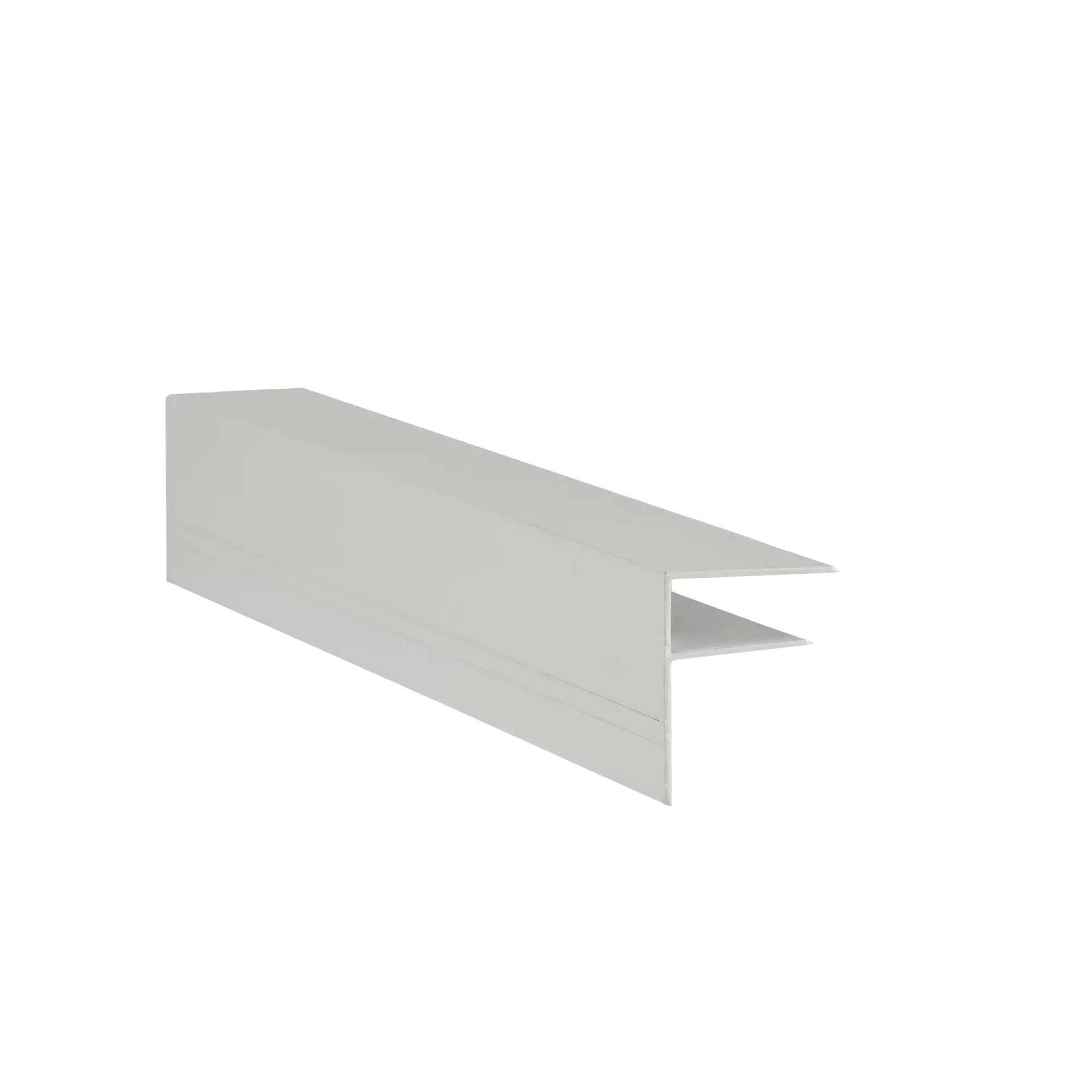
White Aluminium F-Section – 16mm × 6.0m
Detail the glazing system with the matching profile. The White Aluminium F-Section is the product specified here. Selected option: 16mm × 6.0m. Use product code ND10FW1660 when selecting or ordering this item.
The White Aluminium F-Section is a high-performance finishing profile for polycarbonate sheets. Its robust aluminium construction and clean white finish provide durability and a professional appearance. Available in 3m, 4m, 5m, and 6m lengths, it is compatible with 10mm, 16mm, 25mm, and 35mm sheets, making it ideal for various applications.
Product features; Material: High-grade aluminium for strength and corrosion resistance.; Colour: Powder-coated in White for a clean and neutral finish.
Lengths Available: 3m, 4m, 5m, and 6m lengths to suit different project sizes.
Sheet Thickness Compatibility: Compatible with 10mm, 16mm, 25mm, and 35mm polycarbonate sheets.
Protective Design: Provides secure edge coverage, preventing debris ingress and ensuring sheet durability.
Weather Resistant: Designed to withstand UV exposure, rain, and temperature extremes.
Straightforward fitting: Lightweight and simple to cut and fit, ensuring a professional finish with minimal effort.
The White Aluminium F-Section is the perfect solution for achieving a polished and secure finish to polycarbonate sheet installations, combining strength, durability, and aesthetic appeal.
Start by planning the dimensions of the glazing area and the layout of its supports. Measure the actual openings and allow for the engagement of the sheet or profile within the chosen glazing system. Nominal sheet dimensions are not necessarily the same as the finished coverage. A cutting schedule based on the real installation is more useful than selecting a size solely from the overall area.
The sheet thickness, glazing profile and intended application must be considered together. Different glazing systems accommodate different material thicknesses and have their own requirements for support, movement and edge finishing. Do not assume that a sheet can replace another thickness without checking the bars, seals and supports. For overhead glazing, the suitability of the complete structure should be confirmed before purchase.
Think about the desired level of daylight, privacy and solar exposure when comparing glazing finishes. The position of the structure, its orientation and nearby surfaces all influence how the finished installation will feel. Compare the specified finish with the other materials used in the project, and use the manufacturer's published performance information if a particular thermal or light transmission target is important.
Keep glazing products protected from damage during transport and preparation. When cutting or handling is permitted, follow the relevant guidance for tools, protective films and edge treatment. Establish which face should be exposed and whether the system requires particular tapes, closures or drainage arrangements. These details depend on the selected sheet and profile, so use the actual system instructions rather than applying one method to every type of glazing.
Allow time to inspect the delivered materials before installation. Compare their identifying labels with the order and check for obvious damage or missing components. Keep items in the condition recommended by the manufacturer until they are needed, and avoid exposing finished surfaces to unnecessary damage during other building work. This is easier than discovering a problem once the materials have already been cut or fitted.
For larger projects, prepare a list of materials and check quantities against the final measured layout. Group items by their intended position so that similar components are not confused during fitting. This also makes it easier to identify which sizes or finishes still need to be ordered if the design changes before the work is complete.
Before making irreversible cuts or alterations, compare the item with the actual installation and check the necessary clearances. Where the system instructions permit trial positioning, use it to assess the layout before final fixing. If a proposed change affects the product's function or compatibility, obtain advice specific to the item before proceeding.
If the product is being purchased for a repair, record the existing item and its surroundings before removing anything. Photographs, measurements and manufacturer references can make it easier to compare the replacement with the original. Where an exact replacement is unavailable, check the implications of a different profile or specification for the remaining components, rather than assuming it can be substituted without changes.
For more information on White Aluminium F-Section talk to Building Plastics Online Limited