 Get Listed


UPVC Cleaning Tissue
Product Code: TW
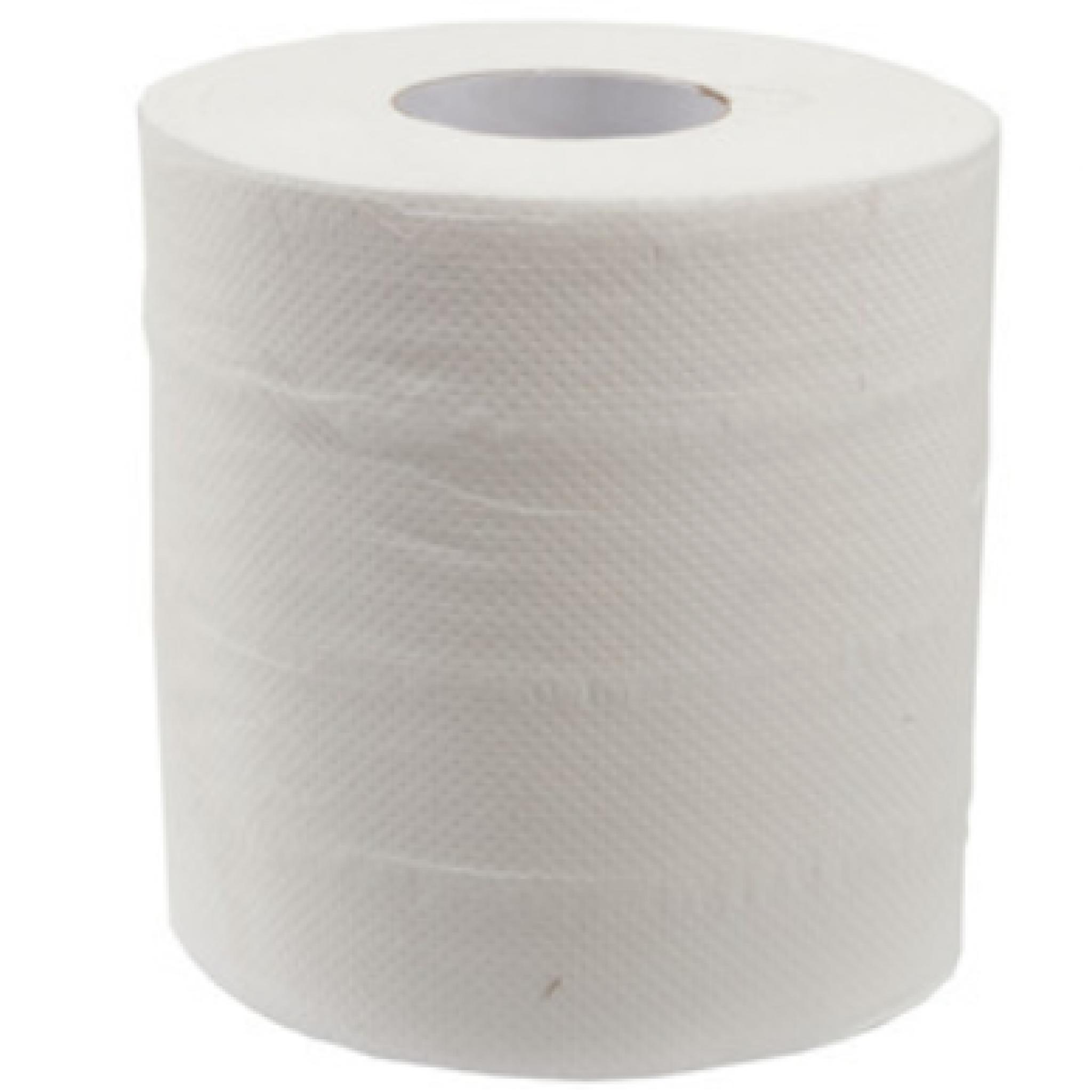
UPVC Cleaning Tissue
When comparing products for your project, use the specifications for UPVC Cleaning Tissue to check the required configuration. Use product code TW when selecting or ordering this item.
UPVC Cleaning Tissue; Efficient Cleaning for UPVC Surfaces.
The UPVC Cleaning Tissue is a premium-grade 2-ply embossed cleaning roll designed for maintaining the cleanliness and appearance of UPVC surfaces. Measuring 183mm x 150mm, this large tissue roll provides ample material for extensive cleaning tasks. Its embossed texture enhances absorbency, making it highly effective at removing dirt, grime, and residues, ensuring spotless results.
Why Choose This Cleaning Tissue?
Ideal for both professional and DIY use, this cleaning tissue is durable and reliable, preventing tearing during use. Its compatibility with various UPVC cleaning products makes it perfect for maintaining windows, doors, fascias, and cladding. Whether you’re working on a restoration project or performing routine maintenance, this tissue ensures thorough and efficient cleaning.
Applications and Benefits.
Designed specifically for UPVC surfaces, this tissue is versatile enough for use in residential, commercial, and industrial settings. Its high absorbency and strength ensure consistent performance, making it an essential tool for maintaining clean and polished UPVC finishes.
Start by identifying the role this item will have in the finished project. Compare the stated product details with the existing installation or the drawings for the proposed work. Pay particular attention to dimensions, finish and the intended connection with other materials. Where the available information does not establish compatibility, obtain confirmation before placing an order.
Inspect the area where the product is to be used before starting. Existing damage, loose material or an uneven surface may need separate attention. The appropriate preparation and fitting method depend on the product and its surroundings, so refer to the actual manufacturer's guidance rather than applying instructions from a different item that happens to look similar.
Consider the order in which related components will be installed. Some details are easier to resolve before adjacent materials are fitted, and access may become restricted as the project progresses. Check the items needed for the full assembly and establish which are included and which must be ordered separately. Keep any required technical instructions available on site.
Where the appearance of the finished work matters, compare the relevant colours, surface textures and profiles together. Lighting, surrounding finishes and the age of existing materials can affect how well a new component matches. A sample or direct comparison is useful when an exact match is necessary, especially in an extension or repair to an established installation.
For larger projects, prepare a list of materials and check quantities against the final measured layout. Group items by their intended position so that similar components are not confused during fitting. This also makes it easier to identify which sizes or finishes still need to be ordered if the design changes before the work is complete.
When the work is finished, retain the product reference and any instructions relevant to care and inspection. Use cleaning products and methods that are approved for the material and finish. If the item forms part of a larger assembly, follow the maintenance guidance for that assembly as well. Address any damage or changes in fit promptly rather than relying on cosmetic treatment alone.
For ordering purposes, use the product reference in this listing alongside the name and any selected option. A product family may contain several sizes or finishes, and the name shared by that family does not identify every individual version. Check that the reference on the order confirmation matches the item required, particularly when several similar components are being purchased for the same project.
If the product is being purchased for a repair, record the existing item and its surroundings before removing anything. Photographs, measurements and manufacturer references can make it easier to compare the replacement with the original. Where an exact replacement is unavailable, check the implications of a different profile or specification for the remaining components, rather than assuming it can be substituted without changes.
Before making irreversible cuts or alterations, compare the item with the actual installation and check the necessary clearances. Where the system instructions permit trial positioning, use it to assess the layout before final fixing. If a proposed change affects the product's function or compatibility, obtain advice specific to the item before proceeding.
For more information on UPVC Cleaning Tissue talk to Building Plastics Online Limited