 Get Listed


Red Bitumen Gable Angles
Product Code: ZZZ051-BITGARD
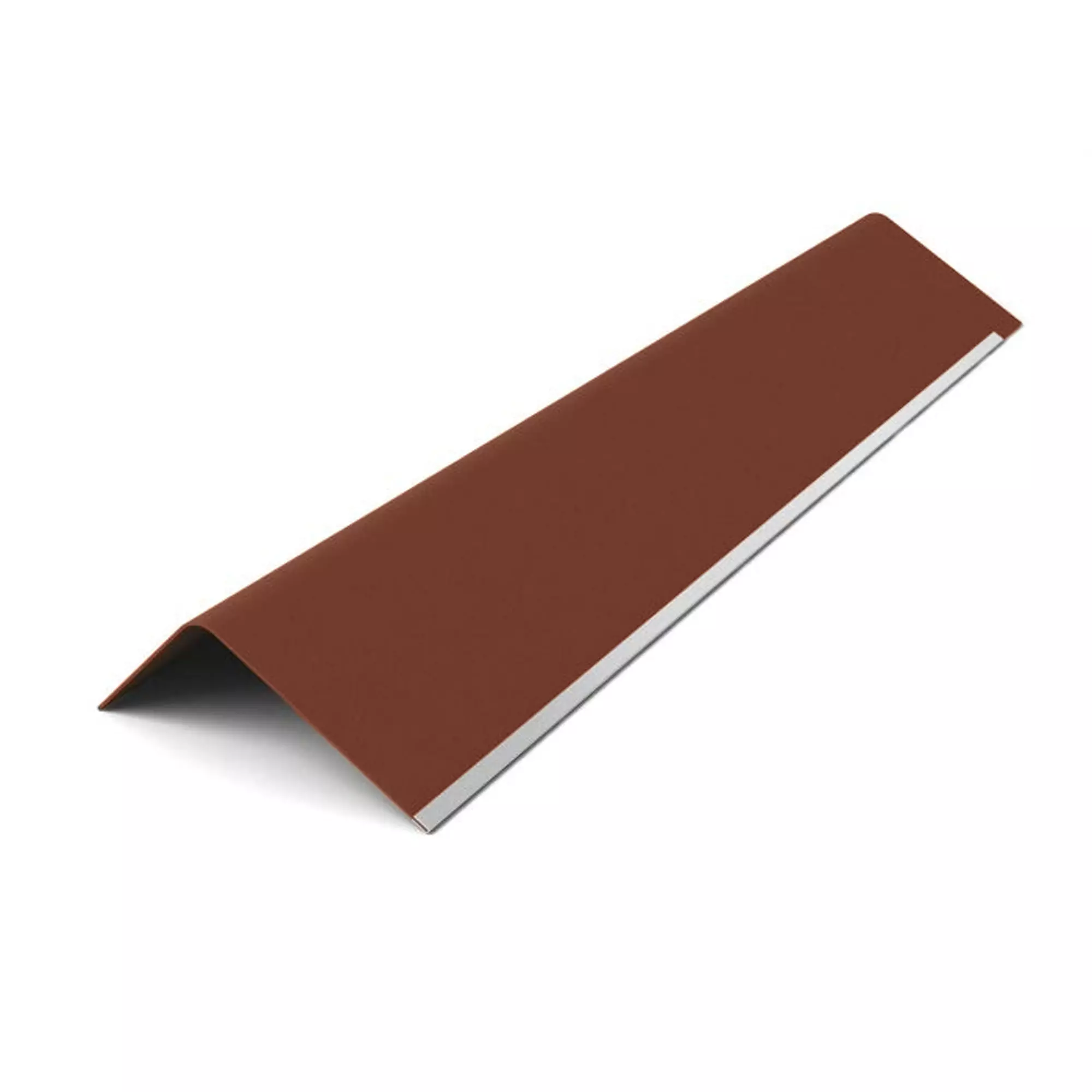
Red Bitumen Gable Angles
The Red Bitumen Gable Angles is an option when planning installation finishing. Use product code ZZZ051-BITGARD when selecting or ordering this item.
Enhance the performance and appearance of your roof with our Red Bitumen Gable Angles. Designed to protect the gable ends from environmental damage, these angles provide a secure and polished finish that complements red corrugated bitumen roofing sheets.
Design and features.
Weatherproof Protection: Seals the gable ends to prevent wind uplift and water ingress.
High Durability: Made from reinforced bitumen, supporting lasting performance even in harsh conditions.
Flexible Fit: Adaptable to different roof pitches, making it suitable for a variety of structures.
Low Maintenance: Requires minimal upkeep, providing a cost-effective solution.; Applications; The Red Bitumen Gable Angles are ideal for:; Sheds, garages, and garden buildings; Agricultural units like barns and animal housing; Industrial and commercial roofing projects.
By securing the gable ends and enhancing the aesthetics of your roof, these gable angles provide a reliable and professional finish that lasts for years.
When choosing a finishing profile, consider the shape of the junction it needs to cover and the dimensions of the adjoining materials. Measure the exposed edge and check the available space before deciding on the appropriate section. A profile that looks suitable in isolation may not engage correctly with another component unless both are designed to work together.
Plan how the profile will terminate at corners, openings or changes in the surface. Trial positioning before cutting can reveal an uneven background or an unexpected difference in thickness. Check which face of the profile is intended to be visible and refer to the fitting instructions for the correct method of securing it without distorting the finished appearance.
Compare the selected finish with the materials surrounding it. In particular, matching colour names do not always mean an identical texture or sheen across different product ranges. For a refurbishment, compare a sample or an original offcut where possible. Decide whether a coordinated or contrasting detail is intended before committing to the full quantity.
Measure each individual length and record the positions of any joints. This makes it easier to prepare a cutting plan and establish whether additional lengths or purpose-made corners will be needed. Use the relevant manufacturer's instructions for jointing, movement and fixing allowances, and protect the visible surfaces during handling and installation.
For larger projects, prepare a list of materials and check quantities against the final measured layout. Group items by their intended position so that similar components are not confused during fitting. This also makes it easier to identify which sizes or finishes still need to be ordered if the design changes before the work is complete.
Before making irreversible cuts or alterations, compare the item with the actual installation and check the necessary clearances. Where the system instructions permit trial positioning, use it to assess the layout before final fixing. If a proposed change affects the product's function or compatibility, obtain advice specific to the item before proceeding.
Allow time to inspect the delivered materials before installation. Compare their identifying labels with the order and check for obvious damage or missing components. Keep items in the condition recommended by the manufacturer until they are needed, and avoid exposing finished surfaces to unnecessary damage during other building work. This is easier than discovering a problem once the materials have already been cut or fitted.
If the product is being purchased for a repair, record the existing item and its surroundings before removing anything. Photographs, measurements and manufacturer references can make it easier to compare the replacement with the original. Where an exact replacement is unavailable, check the implications of a different profile or specification for the remaining components, rather than assuming it can be substituted without changes.
When the work is finished, retain the product reference and any instructions relevant to care and inspection. Use cleaning products and methods that are approved for the material and finish. If the item forms part of a larger assembly, follow the maintenance guidance for that assembly as well. Address any damage or changes in fit promptly rather than relying on cosmetic treatment alone.
For more information on Red Bitumen Gable Angles talk to Building Plastics Online Limited