 Get Listed


Plain Grey Smooth Fascia Corners and Joints
Product Code: GSC500CX7016
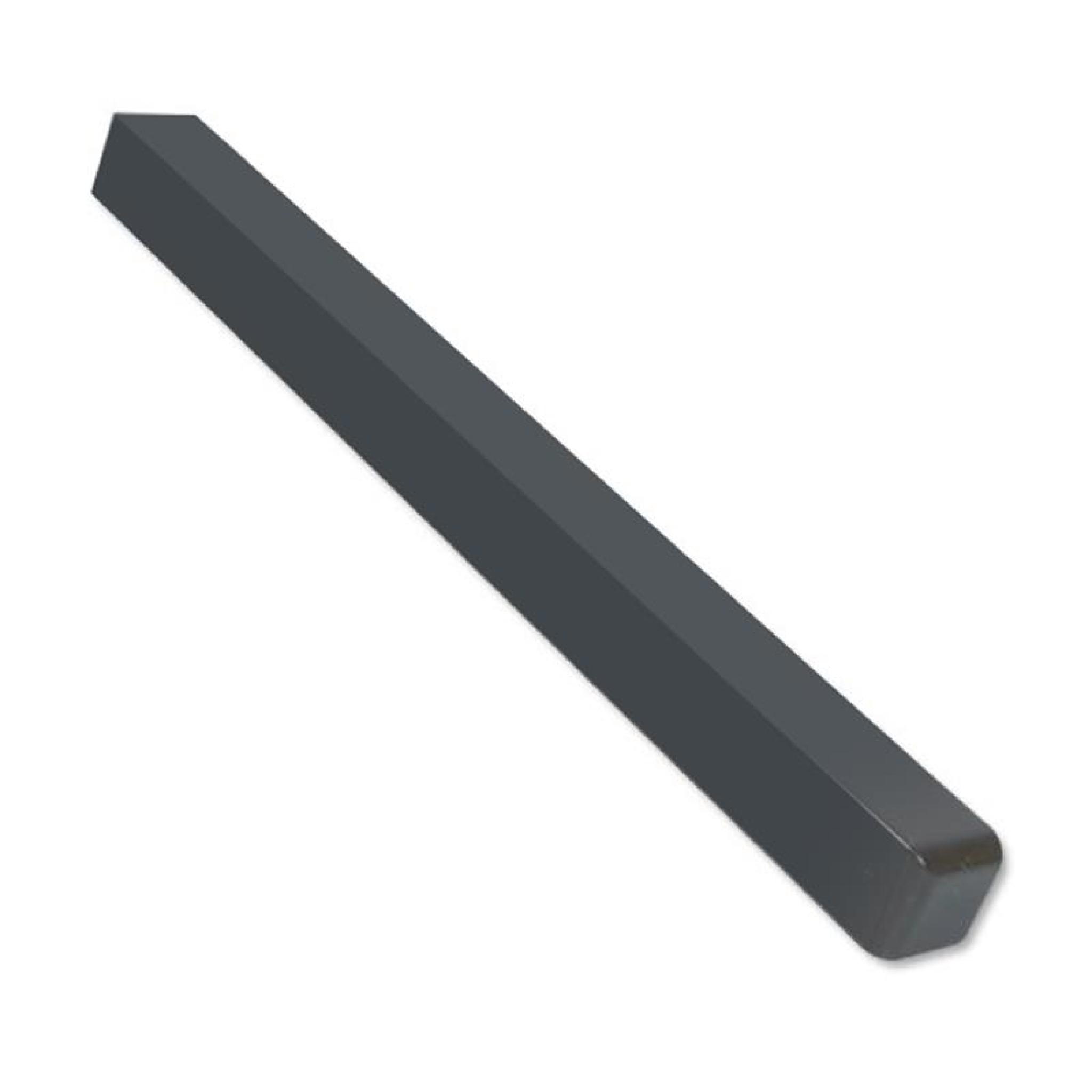
Plain Grey Smooth Fascia Corners and Joints – 500mm
Finish fascia junctions and edges. The Plain Grey Smooth Fascia Corners and Joints is the product specified here. Selected option: 500mm. Use product code GSC500CX7016 when selecting or ordering this item.
Ensure a sleek and professional finish for your roofline with our Plain Grey Smooth Fascia Corners and Joints, available in 500mm lengths. Designed in a modern anthracite grey (RAL 7016), these trims are suitable for joining and capping fascia boards at corners and joints. Their smooth surface and robust construction enhance both the appearance and durability of your roofline system.
Durable and Weather-Resistant Design.
Made from quality uPVC, these fascia corners and joints are engineered to withstand demanding weather conditions. The anthracite grey finish (RAL 7016) is UV-stable, ensuring it resists fading, cracking, and warping over time. Perfect for new builds and renovation projects, they deliver reliable performance and a lasting polished appearance.
Seamless and Modern Finish.
The smooth surface of these fascia trims provides a contemporary aesthetic, complementing matching fascia boards and roofline components. Their bold grey tone adds a touch of sophistication to your property, making them ideal for modern architectural designs.
Fitting considerations.
Designed for straightforward installation, these 500mm trims are lightweight and easy to handle. Whether used for external corners, internal corners, or straight fascia joints, they ensure a secure and precise fit, creating a seamless and polished roofline.
Perfect Pairing with Matching Roofline Accessories.
Combine these fascia corners and joints with RAL 7016 fascia boards, soffits, and trims for a cohesive and visually appealing roofline system. Their consistent design ensures a harmonious look and reliable protection for your roofline.
A roofline refurbishment is an opportunity to look at the fascia, soffit and rainwater fittings as a complete assembly. Before ordering, examine the condition of the existing material and determine whether the job requires capping, replacement or a finishing component. These are different tasks, and a neat outer finish should never be used to conceal decayed timber or an unresolved moisture problem behind the roofline.
Measure each straight run independently and note changes in height, external and internal corners, and junctions with neighbouring structures. The useful coverage of a board or trim may differ from its overall dimensions once joints and end details are included. A measured cutting schedule helps make better use of the lengths ordered and reduces the likelihood of needing another delivery midway through the work.
Plan how the fascia detail will meet the soffit and guttering. The relevant brackets, connectors, joints and end pieces must be compatible with the system rather than simply similar in appearance. If matching an older installation, compare a physical sample or the existing profile where possible, since the shape and shade of roofline products can vary between ranges and over time.
Roofline work needs suitable access and a safe working arrangement. Refer to the manufacturer's fixing positions, support requirements and movement allowances before any installation takes place. Where the fascia carries rainwater fittings or meets the roof covering, establish how those elements are supported and how water is directed away from the building. Resolve structural defects before fitting decorative materials.
For larger projects, prepare a list of materials and check quantities against the final measured layout. Group items by their intended position so that similar components are not confused during fitting. This also makes it easier to identify which sizes or finishes still need to be ordered if the design changes before the work is complete.
Think about how the finished area will be accessed after the work is complete. If inspection, cleaning or replacement is likely to be necessary, consider whether the planned layout allows for it without disturbing unrelated materials. Follow the maintenance and access requirements for the particular system, especially where a component will be concealed by subsequent work.
Allow time to inspect the delivered materials before installation. Compare their identifying labels with the order and check for obvious damage or missing components. Keep items in the condition recommended by the manufacturer until they are needed, and avoid exposing finished surfaces to unnecessary damage during other building work. This is easier than discovering a problem once the materials have already been cut or fitted.
For more information on Plain Grey Smooth Fascia Corners and Joints talk to Building Plastics Online Limited