 Get Listed


Laminated Window Sill End Caps
Product Code: GBBECWG
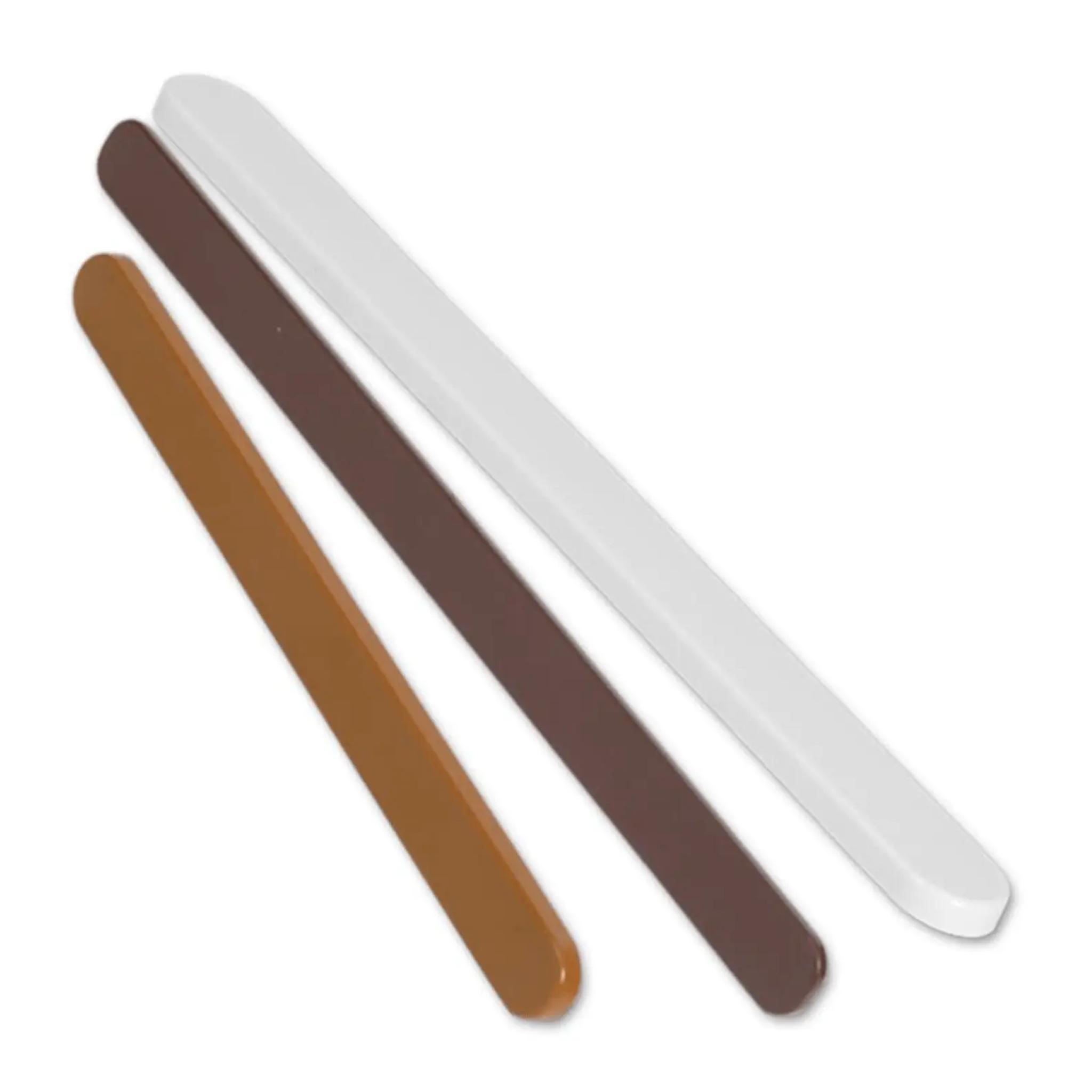
Laminated Window Sill End Caps
Finish the exposed end of the window board. The Laminated Window Sill End Caps is the product specified here. Use product code GBBECWG when selecting or ordering this item.
Seamlessly Finish Your Window Sills with a Professional Look.
Achieve a flawless and refined appearance with our Laminated Window Sill End Caps, designed to cover exposed ends and create a smooth, cohesive edge that enhances both durability and style.
Essential Protection for Window Sill Ends.
Crafted to provide a seamless finish, these end caps not only improve aesthetics but also prevent moisture ingress and everyday wear, ensuring a long-lasting and polished look.
Design and features of Laminated Window Sill End Caps.
Perfect Match for Laminated Window Sills: Designed to complement a variety of laminate finishes, creating a consistent and professional result.
Moisture Protection: Helps prevent damage from moisture exposure, extending the lifespan of your window sills.
Easy Snap-On Installation: Quick and hassle-free fitting, providing an instant upgrade to your window installation.
Polished Smooth Edges: Creates a neat and refined look, improving the appearance of your interior spaces.
The Ideal Finishing Touch for Your Windows.
Complete your window sills with our Laminated Window Sill End Caps and enjoy a stylish, durable, and maintenance-free solution that ensures a sleek and cohesive finish in any room.
Before ordering, inspect the opening and measure the sill or window board at several points. Walls and reveals are not always square, especially in refurbishment work. Take account of any projection beyond the wall, the depth beneath the window and the way the ends will meet the surrounding finish. Use those measurements to establish the appropriate profile and cutting allowance.
Consider the window board, end caps and surrounding trims as a single visual detail. Confirm that the profile shapes match, rather than choosing accessories on colour alone. When matching an existing installation, a sample is more reliable than a screen image for judging both surface texture and shade. Check whether the selected item is intended for internal or external use before fitting.
The condition of the background is important in a refurbishment. Inspect the existing sill and surrounding area for signs of movement, damp or damage, and deal with any underlying issue before covering or replacing the visible finish. Follow the appropriate support, fixing and jointing guidance for the chosen product and the material beneath it, without assuming that every window board is fitted in the same way.
Plan the cut ends and the way they will meet the reveals before committing to the final dimensions. Trial positioning helps identify an uneven wall or an awkward junction while adjustments are still possible. Keep the finish protected while other work is taking place nearby, and use only cleaning methods recommended for the selected surface when removing installation residue.
Any project with particular performance or regulatory requirements should be checked against the relevant technical documentation. The catalogue description is useful for identifying the product, but is not a substitute for confirmation of suitability in the intended application. Seek clarification about any required rating, classification or guarantee that is not explicitly stated in the available product information.
Allow time to inspect the delivered materials before installation. Compare their identifying labels with the order and check for obvious damage or missing components. Keep items in the condition recommended by the manufacturer until they are needed, and avoid exposing finished surfaces to unnecessary damage during other building work. This is easier than discovering a problem once the materials have already been cut or fitted.
Think about how the finished area will be accessed after the work is complete. If inspection, cleaning or replacement is likely to be necessary, consider whether the planned layout allows for it without disturbing unrelated materials. Follow the maintenance and access requirements for the particular system, especially where a component will be concealed by subsequent work.
For larger projects, prepare a list of materials and check quantities against the final measured layout. Group items by their intended position so that similar components are not confused during fitting. This also makes it easier to identify which sizes or finishes still need to be ordered if the design changes before the work is complete.
For more information on Laminated Window Sill End Caps talk to Building Plastics Online Limited