 Get Listed


Irish Oak uPVC Replacement Fascia Boards -5m
Product Code: GSF175IO
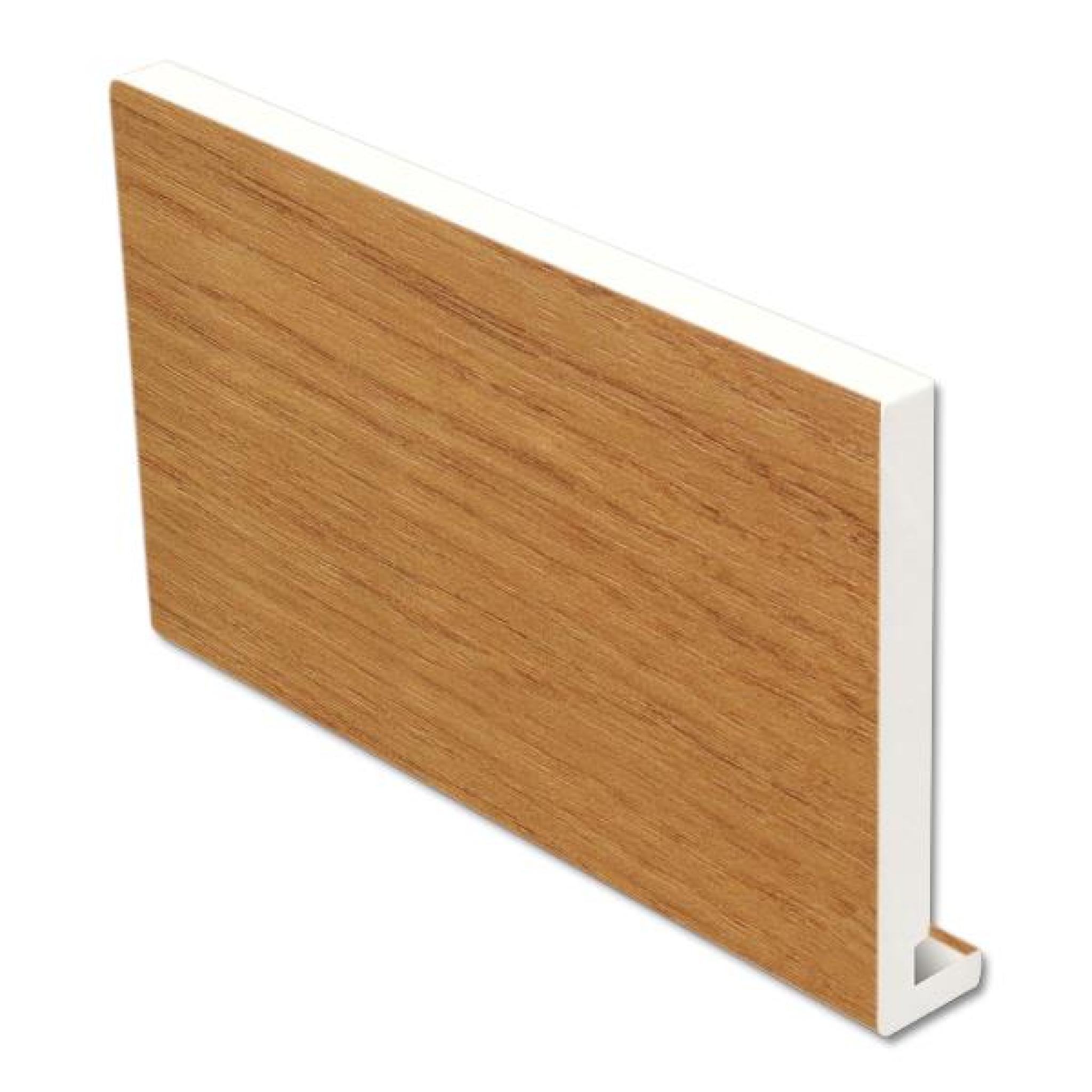
Irish Oak uPVC Replacement Fascia Boards -5m – 175mm
Plan a fascia replacement or roofline installation. The Irish Oak uPVC Replacement Fascia Boards -5m is the product specified here. Selected option: 175mm. Use product code GSF175IO when selecting or ordering this item.
Durable and Elegant Roofline Upgrade.
The Irish Oak uPVC Replacement Fascia Board offers a stylish and practical solution for replacing damaged or outdated fascias. Designed to fully replace existing timber fascias, these boards provide superior durability and a sleek wood-effect finish. The Irish Oak colour adds warmth and sophistication to both residential and commercial properties, enhancing their kerb appeal.
Weatherproof and Low-Maintenance Design.
Made from quality uPVC, these replacement fascia boards are resistant to rotting, warping, and discoloration caused by UV rays, rain, and frost. The natural wood-effect finish retains its elegance over time with little ongoing maintenance—just occasional cleaning to keep them looking pristine.
Available Sizes for Flexible Applications.
The Irish Oak uPVC Replacement Fascia Boards are available in the following sizes to accommodate various project requirements:
175mm; 225mm; 405mm; Fitting considerations.
At 16mm thick, these fascia boards are designed for strength and stability, making them ideal for supporting gutter systems. Their lightweight construction and precise dimensions simplify installation, delivering a neat, coordinated finish for new builds or renovation projects.
About Irish Oak uPVC Replacement Fascia Boards?
Combining a natural Irish Oak finish, robust uPVC construction, and versatile size options, these fascia boards are a reliable and stylish solution for upgrading rooflines. Their weatherproof and low-maintenance design ensures lasting performance and a neat appearance for any property.
A roofline refurbishment is an opportunity to look at the fascia, soffit and rainwater fittings as a complete assembly. Before ordering, examine the condition of the existing material and determine whether the job requires capping, replacement or a finishing component. These are different tasks, and a neat outer finish should never be used to conceal decayed timber or an unresolved moisture problem behind the roofline.
Measure each straight run independently and note changes in height, external and internal corners, and junctions with neighbouring structures. The useful coverage of a board or trim may differ from its overall dimensions once joints and end details are included. A measured cutting schedule helps make better use of the lengths ordered and reduces the likelihood of needing another delivery midway through the work.
Plan how the fascia detail will meet the soffit and guttering. The relevant brackets, connectors, joints and end pieces must be compatible with the system rather than simply similar in appearance. If matching an older installation, compare a physical sample or the existing profile where possible, since the shape and shade of roofline products can vary between ranges and over time.
Roofline work needs suitable access and a safe working arrangement. Refer to the manufacturer's fixing positions, support requirements and movement allowances before any installation takes place. Where the fascia carries rainwater fittings or meets the roof covering, establish how those elements are supported and how water is directed away from the building. Resolve structural defects before fitting decorative materials.
Check what is supplied with the item and what is required separately before arranging work. A description of a larger system does not necessarily mean that all of its components are included in a single listing. Refer to the product information and packing details for the chosen option, and contact the supplier if the required contents or compatible accessories are not clear.
For larger projects, prepare a list of materials and check quantities against the final measured layout. Group items by their intended position so that similar components are not confused during fitting. This also makes it easier to identify which sizes or finishes still need to be ordered if the design changes before the work is complete.
Allow time to inspect the delivered materials before installation. Compare their identifying labels with the order and check for obvious damage or missing components. Keep items in the condition recommended by the manufacturer until they are needed, and avoid exposing finished surfaces to unnecessary damage during other building work. This is easier than discovering a problem once the materials have already been cut or fitted.
For more information on Irish Oak uPVC Replacement Fascia Boards -5m talk to Building Plastics Online Limited