 Get Listed


Freefoam Round-nose White Fascia Corners, Joints & Trims
Product Code: FMRFXW
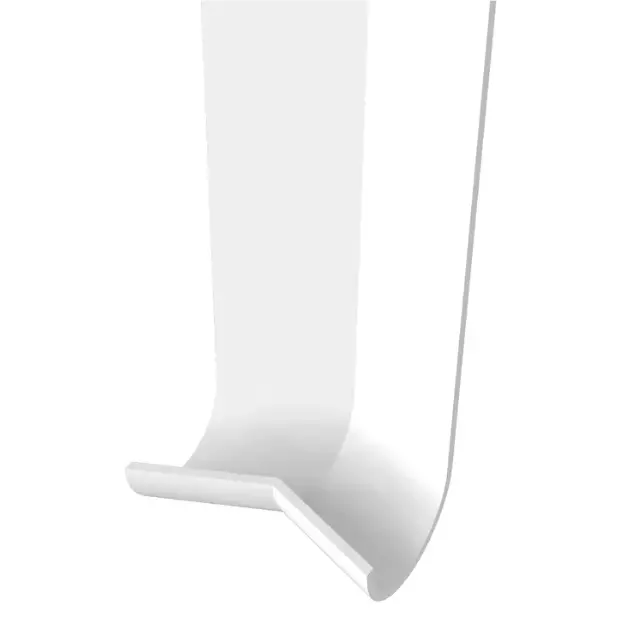
Freefoam Round-nose White Fascia Corners, Joints & Trims – 300mm
The Freefoam Round-nose White Fascia Corners, Joints & Trims is an option when planning fascia finishing details. Selected option: 300mm. Use product code FMRFXW when selecting or ordering this item.
Complete your roofline with Freefoam bullnose fascia accessories designed to match the rounded profile for a consistent and polished look. Each trim is a sturdy uPVC one piece item that helps installers create tidy joints strong corners and clean board ends with less cutting and less waste. The range is purpose made to partner Magnum bullnose fascia boards so you get a reliable fit and a finish that looks right first time for new build and replacement projects alike.
Why installers choose these trims.
Profiles align with the bullnose front edge to keep sightlines smooth. One piece mouldings are easy to position and fix which helps you maintain spacing and expansion gaps with confidence. Accessories are supplied in sizes that suit real world details around bays box ends and long runs so you can maintain pace on site and leave a crisp result that needs only a simple wipe down to stay looking fresh.
Trims and sizes available; FMRJJ double joiner 600 mm for mid run board to board joints.
FMRXX external double corner 600 mm for outer ninety degree corners on long returns
FMRXI internal corner 300 mm for inner ninety degree corners and box ends
FMRFX external corner 135 degree 300 mm for angled bays and gables; FMRFXI internal corner 135 degree 300 mm for splayed internal angles; FMRDC large end cap 300 mm for deep boards and wide overhangs; Helpful fit notes.
Fix trims to sound substrates and follow movement guidance for uPVC roofline so joints can expand and contract in service. Use colour matched nails or screws and seal where required to local good practice. Pair accessories with matching bullnose fascia widths to reduce cutting and keep edges aligned. The result is a durable roofline with smooth flowing lines and a smart modern appearance that complements both traditional and contemporary homes.
A roofline refurbishment is an opportunity to look at the fascia, soffit and rainwater fittings as a complete assembly. Before ordering, examine the condition of the existing material and determine whether the job requires capping, replacement or a finishing component. These are different tasks, and a neat outer finish should never be used to conceal decayed timber or an unresolved moisture problem behind the roofline.
Measure each straight run independently and note changes in height, external and internal corners, and junctions with neighbouring structures. The useful coverage of a board or trim may differ from its overall dimensions once joints and end details are included. A measured cutting schedule helps make better use of the lengths ordered and reduces the likelihood of needing another delivery midway through the work.
Plan how the fascia detail will meet the soffit and guttering. The relevant brackets, connectors, joints and end pieces must be compatible with the system rather than simply similar in appearance. If matching an older installation, compare a physical sample or the existing profile where possible, since the shape and shade of roofline products can vary between ranges and over time.
Roofline work needs suitable access and a safe working arrangement. Refer to the manufacturer's fixing positions, support requirements and movement allowances before any installation takes place. Where the fascia carries rainwater fittings or meets the roof covering, establish how those elements are supported and how water is directed away from the building. Resolve structural defects before fitting decorative materials.
If the product is being purchased for a repair, record the existing item and its surroundings before removing anything. Photographs, measurements and manufacturer references can make it easier to compare the replacement with the original. Where an exact replacement is unavailable, check the implications of a different profile or specification for the remaining components, rather than assuming it can be substituted without changes.
Before making irreversible cuts or alterations, compare the item with the actual installation and check the necessary clearances. Where the system instructions permit trial positioning, use it to assess the layout before final fixing. If a proposed change affects the product's function or compatibility, obtain advice specific to the item before proceeding.
For more information on Freefoam Round-nose White Fascia Corners, Joints & Trims talk to Building Plastics Online Limited