 Get Listed


Brown Intermediate Bar
Product Code: LSBIB20
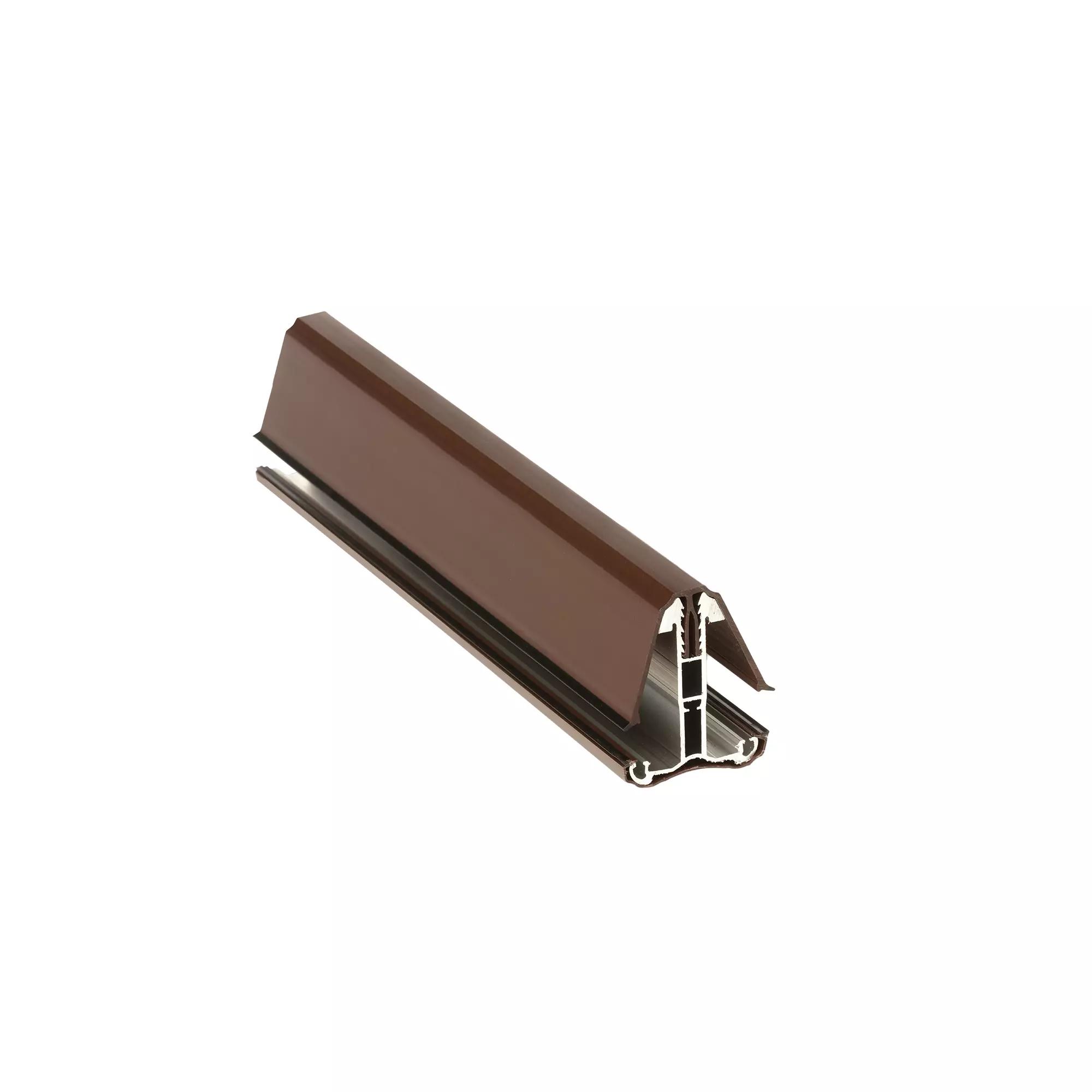
Brown Intermediate Bar – 2.0m
When comparing products for your project, use the specifications for Brown Intermediate Bar to check the required configuration. Selected option: 2.0m. Use product code LSBIB20 when selecting or ordering this item.
The Brown Glazing Bar, also known as the intermediate bar, is a key structural component in self-supporting polycarbonate roofing systems. It securely supports polycarbonate sheets and ensures a tight and stable fit, while the timeless Brown finish complements any roofing design.
Product features; Material: Made from high-strength aluminium for superior durability and load-bearing capacity.; Finish: Brown finish for a classic and neutral appearance.; Compatibility: Accommodates polycarbonate sheets in 10mm, 16mm, and 25mm thicknesses.; Pitch Compatibility: Supports roof pitches from 2.5° to 15° for flexible installation.; Weather Resistance: Withstands UV rays, rain, and wind for long-lasting performance.
Straightforward fitting: Pre-drilled profiles and lightweight design allow for quick and hassle-free installation.
End Cap Included: Supplied with one end cap for a neat and professional finish.
The Brown Glazing Bar is a vital element of self-supporting roofing systems, providing strength, weatherproofing, and an attractive finish for any project.
Start by identifying the role this item will have in the finished project. Compare the stated product details with the existing installation or the drawings for the proposed work. Pay particular attention to dimensions, finish and the intended connection with other materials. Where the available information does not establish compatibility, obtain confirmation before placing an order.
Inspect the area where the product is to be used before starting. Existing damage, loose material or an uneven surface may need separate attention. The appropriate preparation and fitting method depend on the product and its surroundings, so refer to the actual manufacturer's guidance rather than applying instructions from a different item that happens to look similar.
Consider the order in which related components will be installed. Some details are easier to resolve before adjacent materials are fitted, and access may become restricted as the project progresses. Check the items needed for the full assembly and establish which are included and which must be ordered separately. Keep any required technical instructions available on site.
Where the appearance of the finished work matters, compare the relevant colours, surface textures and profiles together. Lighting, surrounding finishes and the age of existing materials can affect how well a new component matches. A sample or direct comparison is useful when an exact match is necessary, especially in an extension or repair to an established installation.
For ordering purposes, use the product reference in this listing alongside the name and any selected option. A product family may contain several sizes or finishes, and the name shared by that family does not identify every individual version. Check that the reference on the order confirmation matches the item required, particularly when several similar components are being purchased for the same project.
When the work is finished, retain the product reference and any instructions relevant to care and inspection. Use cleaning products and methods that are approved for the material and finish. If the item forms part of a larger assembly, follow the maintenance guidance for that assembly as well. Address any damage or changes in fit promptly rather than relying on cosmetic treatment alone.
Check what is supplied with the item and what is required separately before arranging work. A description of a larger system does not necessarily mean that all of its components are included in a single listing. Refer to the product information and packing details for the chosen option, and contact the supplier if the required contents or compatible accessories are not clear.
If the product is being purchased for a repair, record the existing item and its surroundings before removing anything. Photographs, measurements and manufacturer references can make it easier to compare the replacement with the original. Where an exact replacement is unavailable, check the implications of a different profile or specification for the remaining components, rather than assuming it can be substituted without changes.
Before making irreversible cuts or alterations, compare the item with the actual installation and check the necessary clearances. Where the system instructions permit trial positioning, use it to assess the layout before final fixing. If a proposed change affects the product's function or compatibility, obtain advice specific to the item before proceeding.
For more information on Brown Intermediate Bar talk to Building Plastics Online Limited