 Get Listed


Brown Edge Bar
Product Code: LSBEB20
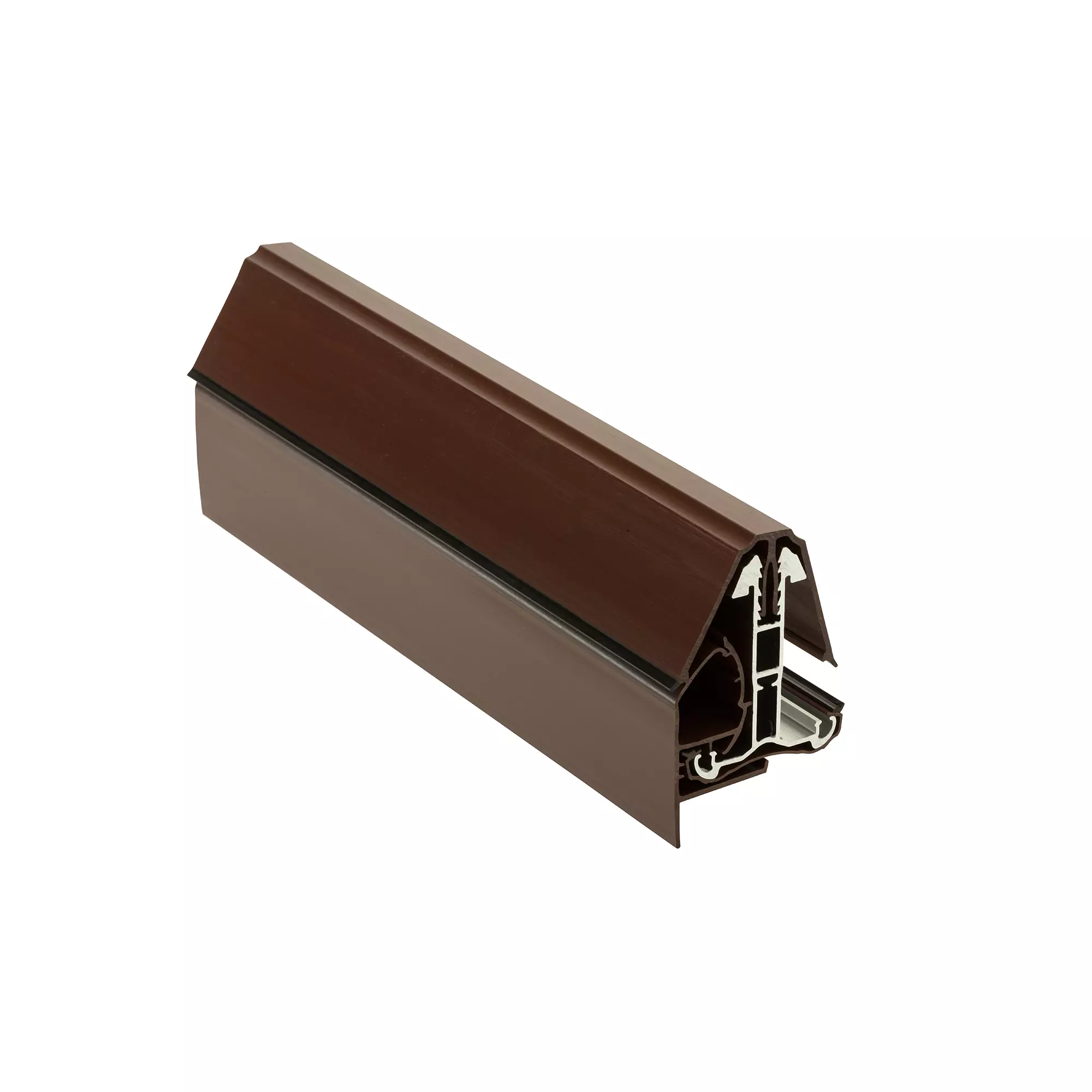
Brown Edge Bar – 2.0m
The Brown Edge Bar is an option when planning glazing system details. Selected option: 2.0m. Use product code LSBEB20 when selecting or ordering this item.
The Brown Edge Bar is used for polycarbonate roofing systems, designed to provide structural support and a polished edge finish for roofing sheets. Perfect for use along the edges of the roof, this bar ensures stability and a clean, professional appearance. Its classic Brown finish adds a refined aesthetic to any project.
Product features; Material: High-strength aluminium for exceptional durability and support.; Finish: Brown finish for a traditional and professional look.; Compatibility: Suitable for polycarbonate sheet thicknesses of 10mm, 16mm, and 25mm.; Pitch Compatibility: Supports roof pitches from 2.5° to 15° for versatile applications.; Weather Resistance: Engineered to resist UV exposure, rain, wind, and temperature fluctuations.; Straightforward fitting: Pre-drilled profiles ensure quick and efficient setup.
End Cap Included: Supplied with one end cap for a neat finished appearance.
The Brown Edge Bar is a dependable and stylish solution for completing polycarbonate roofing systems. Its robust construction and timeless finish make it the perfect choice for both residential and commercial projects.
When choosing a finishing profile, consider the shape of the junction it needs to cover and the dimensions of the adjoining materials. Measure the exposed edge and check the available space before deciding on the appropriate section. A profile that looks suitable in isolation may not engage correctly with another component unless both are designed to work together.
Plan how the profile will terminate at corners, openings or changes in the surface. Trial positioning before cutting can reveal an uneven background or an unexpected difference in thickness. Check which face of the profile is intended to be visible and refer to the fitting instructions for the correct method of securing it without distorting the finished appearance.
Compare the selected finish with the materials surrounding it. In particular, matching colour names do not always mean an identical texture or sheen across different product ranges. For a refurbishment, compare a sample or an original offcut where possible. Decide whether a coordinated or contrasting detail is intended before committing to the full quantity.
Measure each individual length and record the positions of any joints. This makes it easier to prepare a cutting plan and establish whether additional lengths or purpose-made corners will be needed. Use the relevant manufacturer's instructions for jointing, movement and fixing allowances, and protect the visible surfaces during handling and installation.
For larger projects, prepare a list of materials and check quantities against the final measured layout. Group items by their intended position so that similar components are not confused during fitting. This also makes it easier to identify which sizes or finishes still need to be ordered if the design changes before the work is complete.
When the work is finished, retain the product reference and any instructions relevant to care and inspection. Use cleaning products and methods that are approved for the material and finish. If the item forms part of a larger assembly, follow the maintenance guidance for that assembly as well. Address any damage or changes in fit promptly rather than relying on cosmetic treatment alone.
Before making irreversible cuts or alterations, compare the item with the actual installation and check the necessary clearances. Where the system instructions permit trial positioning, use it to assess the layout before final fixing. If a proposed change affects the product's function or compatibility, obtain advice specific to the item before proceeding.
Think about how the finished area will be accessed after the work is complete. If inspection, cleaning or replacement is likely to be necessary, consider whether the planned layout allows for it without disturbing unrelated materials. Follow the maintenance and access requirements for the particular system, especially where a component will be concealed by subsequent work.
Check what is supplied with the item and what is required separately before arranging work. A description of a larger system does not necessarily mean that all of its components are included in a single listing. Refer to the product information and packing details for the chosen option, and contact the supplier if the required contents or compatible accessories are not clear.
For more information on Brown Edge Bar talk to Building Plastics Online Limited