 Get Listed


110mm Drain Channel End Outlet
Product Code: D712
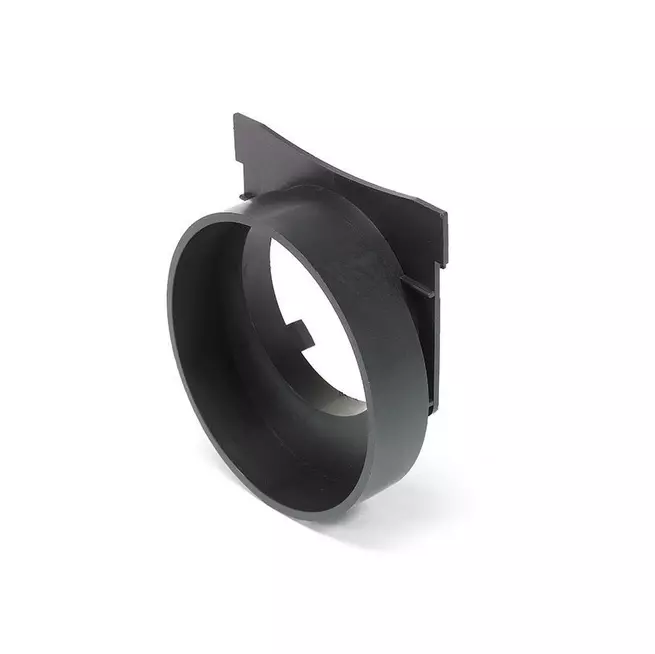
110mm Drain Channel End Outlet
For drainage and pipework, consider the 110mm Drain Channel End Outlet. Use product code D712 when selecting or ordering this item.
FloPlast 110mm Drain Channel End Outlet – Seamless Connection for Effective Drainage.
The FloPlast 110mm Drain Channel End Outlet is a crucial component designed to facilitate the efficient connection of channel drainage systems to 110mm underground drainage pipes. This end outlet ensures a seamless transition for surface water into the drainage system, enhancing overall water management in domestic settings.
Design and features; Dimensions: Width: 115mm, Height: 130mm, Depth: 35mm.; Material: Made from quality polypropylene, offering durability and resistance to environmental factors.; Product Code: D712.; Certifications: CE Marked, ensuring compliance with European standards.; Installation and Compatibility.
The end outlet is designed to clip securely into the end of the FloDrain channel drainage length, providing a direct connection to 110mm underground drainage pipes. This design simplifies installation and ensures a reliable, watertight connection.
Applications.
This end outlet is ideal for domestic areas where surface water collects, such as driveways, pathways, patios, and gardens. It effectively channels surface water into the underground drainage system, preventing pooling and potential water damage.
Maintenance.
Made from robust polypropylene, this end outlet requires little ongoing maintenance and offers long-term reliability and performance for managing surface water drainage.
For more detailed information and installation guidance, refer to the FloDrain Domestic Channel Drainage System Installation Video provided by FloPlast.
In summary, the FloPlast 110mm Drain Channel End Outlet is intended for any domestic drainage project, ensuring efficient water management and easy integration with existing systems.
Start with a drawing of the complete drainage or rainwater run, including the positions where water enters, changes direction and leaves the system. A fitting should be selected to suit its particular position in that layout. Confirm the relevant nominal size and profile, since components with a similar appearance are not necessarily designed to connect to one another.
Consider how the system will be supported and how it can be inspected after installation. The required fall, joint arrangement and access provisions depend on the type of drainage system and its intended use. Establish those details from the applicable installation guidance before work begins. For underground or concealed work, check the surrounding ground or structure and the requirements for the completed system.
If the project involves replacing a damaged component, identify the existing manufacturer's range and connection type wherever possible. Measure the old fitting and the adjoining components, and check the cause of the original problem before replacing it. A new fitting may not resolve an issue arising from a blocked outlet, incorrect support or an unsuitable arrangement elsewhere in the run.
A complete system should be assessed for the expected flow and the conditions in which it operates. Where capacity or compliance is important, consult the published specifications or seek advice from a competent installer. Once the work is complete, check the connections and relevant access points in accordance with the system guidance and retain a record of the installed components for future maintenance.
For larger projects, prepare a list of materials and check quantities against the final measured layout. Group items by their intended position so that similar components are not confused during fitting. This also makes it easier to identify which sizes or finishes still need to be ordered if the design changes before the work is complete.
When the work is finished, retain the product reference and any instructions relevant to care and inspection. Use cleaning products and methods that are approved for the material and finish. If the item forms part of a larger assembly, follow the maintenance guidance for that assembly as well. Address any damage or changes in fit promptly rather than relying on cosmetic treatment alone.
Allow time to inspect the delivered materials before installation. Compare their identifying labels with the order and check for obvious damage or missing components. Keep items in the condition recommended by the manufacturer until they are needed, and avoid exposing finished surfaces to unnecessary damage during other building work. This is easier than discovering a problem once the materials have already been cut or fitted.
For more information on 110mm Drain Channel End Outlet talk to Building Plastics Online Limited