 Get Listed


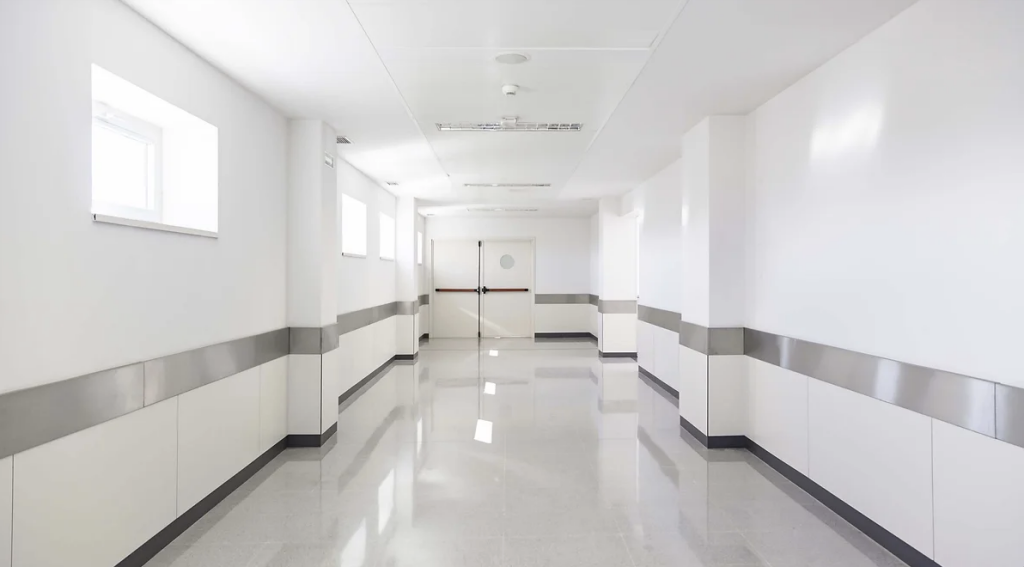
In commercial and industrial settings where hygiene is paramount, traditional wall surfaces such as tiles, plaster, or paint can struggle to meet the stringent cleanliness and durability standards required. This is especially true in sectors like food processing, healthcare, pharmaceuticals, and hospitality, where the consequences of inadequate hygiene can be severe. Hygienic wall cladding, typically made from PVC or other durable materials, offers a practical and cost-effective solution for maintaining the high levels of sanitation required in these environments.
This article will explore the key advantages of commercial hygienic wall cladding and why it has become the go-to option for businesses looking to meet regulatory hygiene standards while ensuring a low-maintenance, aesthetically pleasing workspace.
1. Exceptional Hygiene
The most apparent benefit of hygienic wall cladding is its ability to maintain a highly sanitary surface. Unlike traditional tiled walls, which have grout lines that can trap dirt, bacteria, and mold, hygienic wall cladding provides a seamless surface that is smooth and easy to clean. This makes it ideal for environments where cleanliness is critical, such as hospitals, kitchens, and food processing plants.
The non-porous nature of most hygienic wall cladding materials, mainly PVC, ensures that bacteria and fungi cannot penetrate the surface, reducing the risk of contamination. Regular cleaning with appropriate detergents or disinfectants will maintain the hygiene levels needed for such environments, helping businesses comply with health and safety regulations.
2. Compliance with Health and Safety Regulations
Strict regulations dictate the standards of cleanliness and safety required in wall coverings in industries like food processing, pharmaceutical manufacturing, and healthcare. Hygienic PVC wall cladding often complies with health and safety regulations, including those set by organisations such as the Food Standards Agency (FSA), Health and Safety Executive (HSE), and various hygiene and safety standards for cleanrooms and hospitals.
By installing hygienic wall cladding, businesses can ensure that their facilities meet the required guidelines, avoid fines or penalties, and create a safer environment for employees and consumers.
3. Easy Cleaning and Maintenance
Hygienic wall cladding is designed to be incredibly easy to clean, which is crucial in environments where cleanliness needs to be maintained constantly. The smooth, non-porous surface means that dirt, grime, and contaminants can be wiped away quickly with standard cleaning solutions. In contrast to traditional wall surfaces like tiles, which can trap bacteria in grout lines, or painted walls that may chip and crack over time, hygienic wall cladding offers a far more manageable surface.
For commercial kitchens, laboratories, and medical facilities where cleaning downtime must be minimised, hygienic wall cladding's quick cleaning properties can save time, reduce labour costs, and maintain high hygiene standards with less effort.
4. Durability and Longevity
Walls in high-traffic commercial environments are prone to damage from daily wear and tear. This is particularly true in areas like hospitals, kitchens, or food preparation areas where equipment and tools may regularly impact the walls. Hygienic wall cladding is specifically designed to withstand these challenging conditions. Made from durable materials such as PVC or polypropylene, these cladding systems resist impact, scratches, and even chemical damage.
Additionally, hygienic wall cladding doesn’t deteriorate over time as traditional paint or tiles might. It is UV-stable, ensuring that it won’t discolour or fade even with prolonged exposure to light. This durability ensures that the wall cladding will last for many years, providing a cost-effective solution for maintaining clean, professional wall surfaces without frequent replacements or repairs.
5. Quick and Simple Installation
Another significant advantage of commercial hygienic wall cladding is the ease and speed of installation. Unlike tiling or painting, which can be labour-intensive and time-consuming, hygienic wall cladding can be installed quickly with minimal disruption to business operations. The panels are typically fixed to the wall using adhesives, screws, or a combination of both. They can be fitted over existing surfaces, eliminating the need for costly removal of old materials.
This fast installation process is particularly beneficial for businesses that need continuous operations, such as restaurants, hospitals, and food processing plants, where downtime must be minimised.
6. Cost-Effectiveness
While the initial investment in hygienic wall cladding may be higher than that for traditional wall treatments, such as paint or tiles, the long-term cost savings make it a highly cost-effective option. The durability and low-maintenance nature of hygienic wall cladding mean businesses won’t need to spend as much on repairs, replacements, or frequent cleaning. Additionally, by reducing the risk of contamination and improving hygiene, businesses may avoid costly fines or shutdowns related to health and safety violations.
Over time, the reduced cleaning costs, longer lifespan, and regulatory compliance provided by hygienic wall cladding more than justify the upfront expense.
7. Aesthetic Appeal
While functionality and hygiene are the primary concerns for commercial wall coverings, the appearance of the work environment should not be overlooked. Hygienic wall cladding is available in various colours, finishes, and textures, allowing businesses to choose designs that complement their brand and create a visually appealing environment.
For example, food production facilities and kitchens might use white cladding to emphasise cleanliness, while healthcare settings prefer softer pastel colours to create a calming atmosphere. The versatility in design ensures that hygienic wall cladding doesn’t just serve a practical purpose but also enhances the aesthetic of the workspace.
8. Waterproof and Chemical Resistant
In environments such as food processing, pharmaceutical manufacturing, or commercial kitchens, walls are frequently exposed to moisture and chemicals. Hygienic wall cladding is highly resistant to water, ensuring that it does not degrade or mould in humid conditions. Additionally, many cladding panels resist chemicals and can withstand exposure to harsh cleaning agents or spills without staining or rusting.
This makes hygienic wall cladding an excellent choice for wet areas, ensuring the walls remain clean and intact, even under challenging conditions.
9. Fire-Resistant Options
Safety is always a top priority in commercial environments, particularly in food processing, healthcare, and manufacturing industries. Many hygienic wall cladding options come with fire-resistant properties, helping to slow the spread of flames in the event of a fire. This added layer of protection can be critical in environments where fire safety is a concern and can contribute to a safer overall facility.
10. Sustainability
Finally, hygienic wall cladding can contribute to a business’s sustainability goals. Many manufacturers now offer cladding made from recycled materials or materials that can be recycled at the end of their lifespan. Additionally, the durability and longevity of hygienic wall cladding mean that it requires fewer replacements over time, reducing overall material waste.
Choosing eco-friendly cladding options can help businesses reduce their environmental footprint while still meeting the highest standards for hygiene and safety.
Conclusion
Commercial hygienic wall cladding is an indispensable solution for industries where hygiene, safety, and durability are paramount. From food processing plants to healthcare facilities, the advantages of hygienic wall cladding are clear: easy maintenance, compliance with health and safety regulations, cost-effectiveness, and long-lasting performance. With the added benefits of water and chemical resistance, quick installation, and aesthetic appeal, businesses can ensure that their facilities meet the necessary hygiene standards and create a professional and inviting atmosphere for employees and visitors alike.
For more information on Advantages of Commercial Hygienic Wall Cladding talk to Building Plastics Online Limited