What Businesses Need to Know About the New Google Search
- 28 May 2026
- Articles
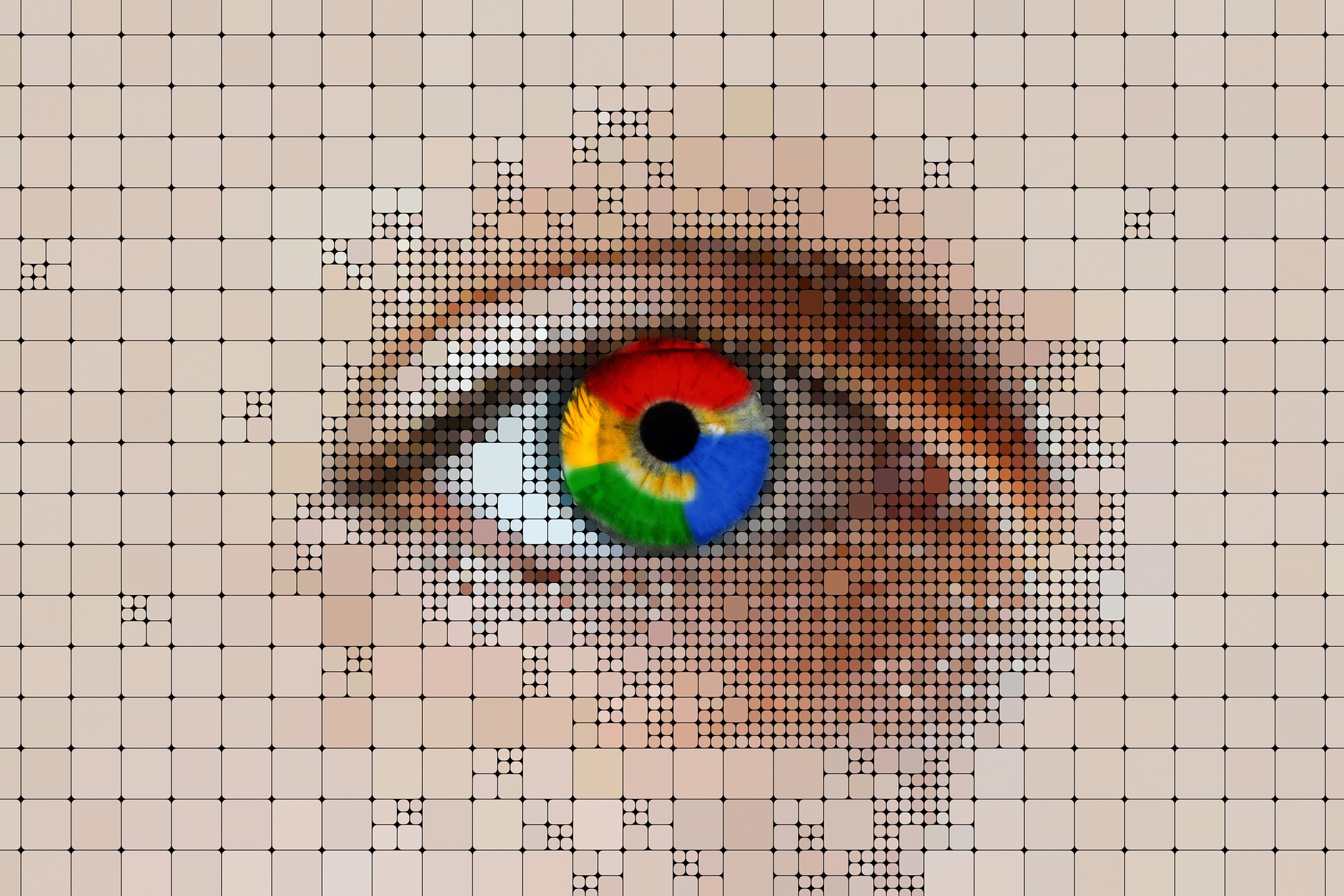
Love it or hate it, the online world of business and advertising revolves around Google. Though the company is not held in the prestige it once was, its effective monopoly in the search space means that it makes the rules. At a recent Google I/O conference, the company stated its intention to move beyond the traditional search box, integrating a more AI-centric approach in the coming generation.
What Does This Mean for Business Content?
The core idea behind the new form of Google’s search is that it abandons the older search system, which provides a basic list of responses. Instead, the new platform aims to offer a conversational box, where their AI agents build an interactive experience. The goal is to have each user discuss their search with Google, leading to a more advanced and direct Google AI Overview.

Source: Pixabay
If logged in, this search could remember your previous search queries and specific types of data requests. This would further streamline later searches, targeting the process to a particular business or personal need. Google states users will be able to create several “information agents” to self-update with new and relevant information, should it become public.
In businesses, the most relevant use here could be as a tool to track direct market movements. The introduction of a new good, the reduction of a component cost, or an unexpected supply-chain shortage could all be collated and explained with these systems in close to real time.
This potential is further expanded by Google DeepMind’s capacity for the real-time creation of a generative user interface. This would help visualise data in ways that were previously not feasible. This could appear as a search showing a map of changed delivery routes, or a generated database document to measure and compare the costs of required business purchases.
Staying Parallel with Other Advanced Trends
The idea of such an interactive component being adopted into the world’s foremost search engine is innovative, but this kind of reciprocal approach is far from new in the business world. Building ongoing relationships with customers through software has become especially important in the last few years, most notably as demonstrated by an increase in moves towards gamification.
Gamification in marketing essentially works through the same concepts, connecting customers and businesses in an interactive fashion, which builds a more personal relationship. This could come in the form of daily, weekly, and monthly missions, which provide rewards when completed. Levelling up through continued access could then provide savings, badges, or other gifts. Instead of a one-off relationship more akin to old Google searches, such a continued gamification relationship is more analogous to the newer approach, and it’s proven effective in the marketing space.
Source: Pixabay
While Google touts the potential of its new AI systems, as always, time will be the ultimate test. Such broad-reaching AI is unlike more specific models, where issues of accuracy can hurt the overall experience. Still, there is the potential here that Google could set a new precedent too useful to ignore, should it stand up to the strain of millions of active users and their unique demands.