Top Benefits of Battery Energy Storage for Industrial Facilities
- 07 Jul 2026
- Articles
Energy costs continue to challenge industrial facilities across many sectors. At the same time, businesses are looking for practical ways to improve efficiency, reduce downtime, and make better use of renewable energy. Battery energy storage has become an attractive option because it addresses several of these goals at once.
Whether you operate a manufacturing plant, warehouse, or processing facility, understanding how battery storage works can help you make informed decisions for the future. The right system can reduce electricity costs, improve energy security, and create greater flexibility in daily operations.
Direct answer: Battery energy storage for industrial facilities reduces electricity costs by storing energy when prices are low and using it during expensive peak periods. It also improves power reliability, supports renewable energy integration, and helps businesses gain more control over their energy consumption while reducing emissions.
Why battery energy storage matters for industrial facilities
Industrial operations often consume large amounts of electricity throughout the day. Energy demand can change quickly as equipment starts and stops, creating expensive peak loads that increase monthly utility bills.
A battery energy storage system captures electricity when it is most economical or when renewable sources generate excess power. That stored energy becomes available whenever the facility needs it most. Instead of relying entirely on the electricity grid during expensive periods, businesses can use their stored energy to reduce operating costs.
This approach also creates more predictable energy expenses. Stable costs make financial planning easier and reduce exposure to unexpected changes in electricity prices.
Lower electricity costs through smarter energy management
One of the biggest advantages of battery storage is its ability to lower energy bills. Many utilities charge higher rates during periods of peak demand. By using stored electricity during those hours, facilities can significantly reduce these charges.
Peak shaving reduces demand charges
Many industrial electricity bills include demand charges based on the highest level of power consumed during a billing period. Even a short spike can increase costs for an entire month.
Battery storage helps smooth out these spikes. Instead of drawing all required power from the grid, the battery supplies part of the demand. This simple adjustment often leads to meaningful savings over time, especially for facilities with fluctuating production schedules.
Better use of renewable energy
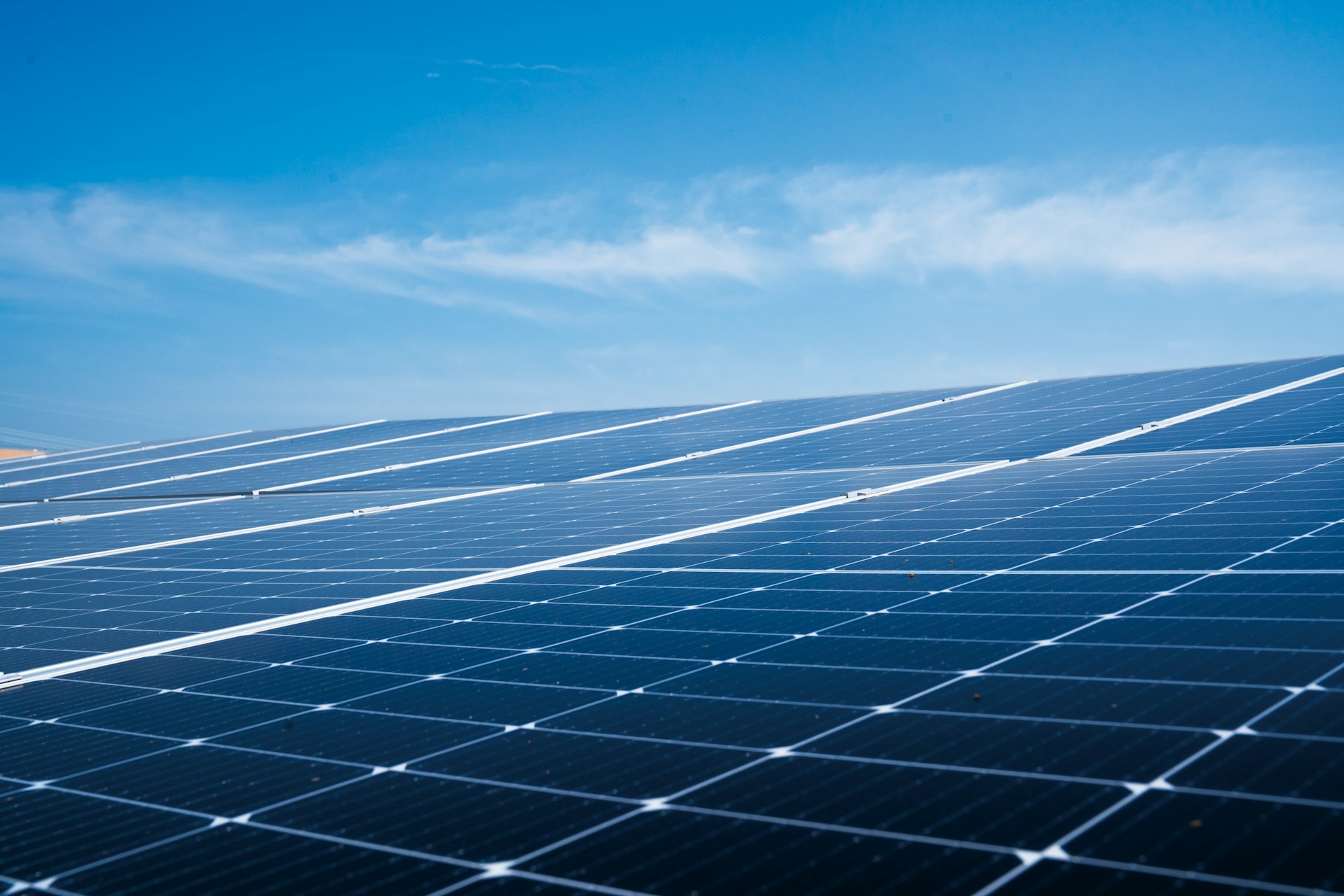
Facilities with solar panels frequently generate more electricity than they immediately need during sunny hours. Without storage, much of that excess energy may be exported instead of being used later.
Battery systems allow businesses to store surplus solar energy and use it after sunset or during cloudy periods. Information about compatible European battery solutions is available through Intercel.eu, which explains different applications for industrial energy storage.
Using more self-generated electricity reduces dependence on the grid and improves the return on renewable energy investments.
Improved reliability during power interruptions
Unexpected power outages can interrupt production, damage equipment, and delay customer orders. Even brief interruptions may result in significant financial losses for industrial businesses.
Battery storage provides an additional layer of protection by supplying backup power when grid disruptions occur. Critical equipment can continue operating while other systems safely shut down if necessary.
The amount of backup time depends on battery capacity and energy consumption. Facilities should identify their most important operations before selecting a system so that battery capacity matches actual business needs.
Reliable power also helps protect sensitive machinery and digital control systems from sudden voltage fluctuations that may shorten equipment life.
Greater operational flexibility
Industrial facilities rarely operate under identical conditions every day. Production schedules, staffing levels, and customer demand often change throughout the week.
Battery storage gives businesses more flexibility to respond to these changing conditions. Stored electricity can support increased production during busy periods without immediately increasing grid demand.
Facilities participating in demand response programs may also benefit from battery storage. In some markets, businesses receive financial incentives for reducing electricity consumption during periods of high grid demand. Batteries make it easier to participate without disrupting production.
This flexibility allows managers to make operational decisions based on production needs rather than electricity pricing alone.
Supporting sustainability goals
Many companies have established environmental targets to reduce greenhouse gas emissions and improve energy efficiency. Battery storage supports these objectives by making renewable energy more practical and reducing dependence on fossil fuel generated electricity.
Battery systems also help reduce wasted renewable energy by storing electricity that might otherwise go unused. This creates a more efficient energy system without requiring major changes to daily operations.
Customers, investors, and business partners increasingly value companies that demonstrate measurable environmental improvements. Battery storage can become one part of a broader sustainability strategy while continuing to deliver financial benefits.
What to consider before investing
Every industrial facility has unique energy requirements. Choosing the right battery system starts with understanding current electricity usage and future operational goals.
Before making a decision, consider the following factors:
- Daily energy consumption patterns.
- Peak demand levels.
- Existing or planned renewable energy systems.
- Available installation space.
- Expected return on investment.
- Future business growth.
Working with experienced suppliers helps ensure that battery capacity matches actual operational needs rather than simply selecting the largest available system.
It is also worth reviewing maintenance requirements and warranty terms before purchasing. A well-designed system should provide reliable performance for many years with routine monitoring and scheduled maintenance.
Battery energy storage can strengthen industrial operations
Battery energy storage offers much more than emergency backup power. It helps industrial facilities lower electricity costs, improve energy reliability, increase renewable energy use, and gain greater control over daily energy management.
As electricity markets continue to change, businesses that invest in flexible energy solutions are often better prepared for future challenges. Careful planning and a system that matches operational requirements can deliver long-term value while supporting both financial and environmental goals.
For many industrial facilities, battery energy storage is becoming a practical investment that improves efficiency today while preparing operations for tomorrow's energy demands.
Frequently asked questions about battery energy storage for industrial facilities
- How long do industrial battery systems typically last? Most modern battery systems have an expected lifespan of 10 to 15 years, depending on usage patterns, maintenance, and battery technology.
- Can battery storage work without solar panels? Batteries can store electricity from the grid during lower-cost periods and use it later when prices are higher, even without renewable energy generation.
- Is battery energy storage suitable for small industrial facilities? Many systems are scalable, allowing smaller facilities to install storage solutions that fit their current energy needs and expand later if required.
- How quickly can businesses see cost savings? Savings vary depending on electricity pricing, energy consumption, and system size. Many facilities begin reducing demand charges soon after installation.
- Does battery storage replace backup generators? Not always. Battery systems provide fast, clean backup power and can complement generators, especially during short outages or power fluctuations.