The Best Payment Gateways for Small Businesses in the UK
- 30 Jun 2026
- Articles
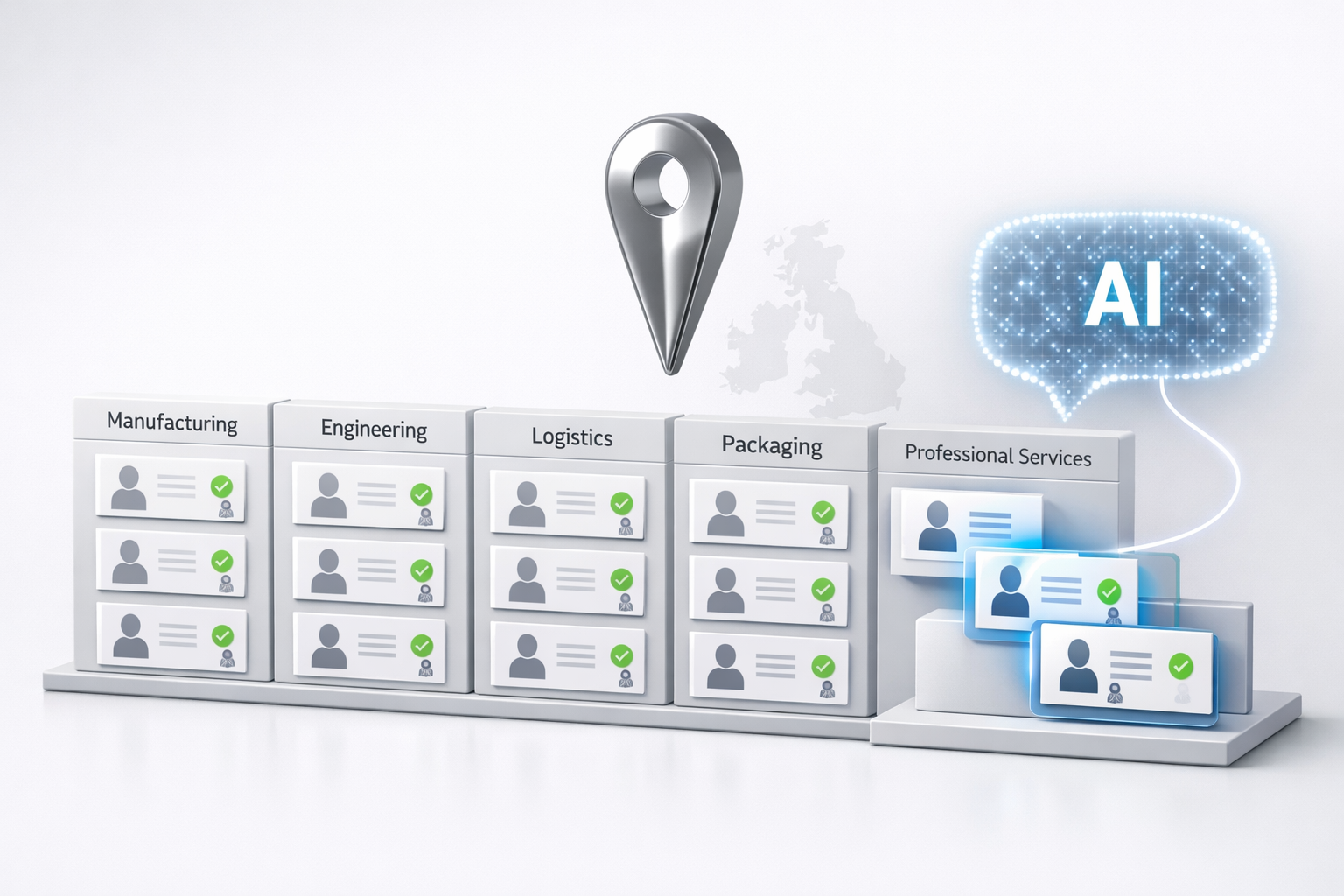
By 2026, when it comes to a UK-based small business, nothing about the checkout process can be left to chance. As cash use drops and card and digital payments rise, your choice of gateway can affect your costs, cash flow, and transaction efficiency. This article explains how payment gateways work. It also covers key factors to consider and offers five great alternatives.
What Is a Payment Gateway and Why Does It Matter?
A payment gateway is software that links your online store to the financial network. When your customer enters their card details, the gateway encrypts them. Then, it sends the information for authorization. You get an approval or rejection back right away. A gateway helps move your sale from “Add to cart” to your bank account, so you get paid.
There are usually two categories of providers. One option is a full-service. This provider offers gateway services, acquiring, and processing in one package. The other option is a gateway-only service. In this case, an independent acquirer handles the transactions. Merchant Savvy states that some gateway providers are acquirer-dependent. In contrast, agnostic gateways can connect with many acquirers.
The gateway affects more than fees because every online sale passes through it. These few factors must shape your choice:
- Pricing: Per-transaction fees, and all monthly, setup, or PCI costs.
- Integration: Prebuilt plugins or developer-built integrations.
- Payment options: Credit and debit cards, Apple Pay, Google Pay, PayPal, BNPL, and BACS.
- Processing speed: The time it takes for the money to reach your bank account.
- Security and support: PCI-compliant security measures, anti-fraud technology, and customer service.
Combining these aspects is an effective way to reduce your costs. A similar close comparison applies even to games. Before making a deposit at the casino, smart players check out the expert reviews of the site and play free slots no download on Slotozilla. This way, they can select the best online games for zero money.
Top 5 Payment Gateways for Small Businesses in the UK
These five suit different needs rather than highlighting one winner. None of them has mandatory monthly fees, except for Revolut Business. The headline fees are current 2026 figures from the Merchant Savvy comparison and are worth reconfirming on each provider’s own page, since rates change:
| Provider | Local Online Card Fee | Best For |
|---|---|---|
| Stripe | 1.5% + 20p (standard cards) | Online-first businesses with some dev help |
| PayPal | 2.9% + 30p (commercial) | Fast setup and customer trust |
| Square | 1.4% + 25p | Selling online and in person |
| Mollie | 1.2% + 20p (consumer cards) | Selling across Europe |
| Revolut Business | 2.8% + 20p (commercial cards) |
Low-cost domestic payments |
The commissions are only one part of evaluating a gateway. The sections below explain each option, highlighting other key strengths and trade-offs important for a small business.
Stripe
Stripe is a top choice for many organisations, including startups and Shopify. It offers an agile API, hosted checkout, recurring payments, support for over 100 currencies, and advanced fraud detection. Merchant Savvy reports that local standard card transactions cost 1.5% + 20p. For EU cards, it’s 2.5% + 20p. However, it’s smart to check the latest rates at Stripe pricing.
Its major features are great documentation and flexibility. But getting the most out of the platform often needs some developer work for API integration.

PayPal
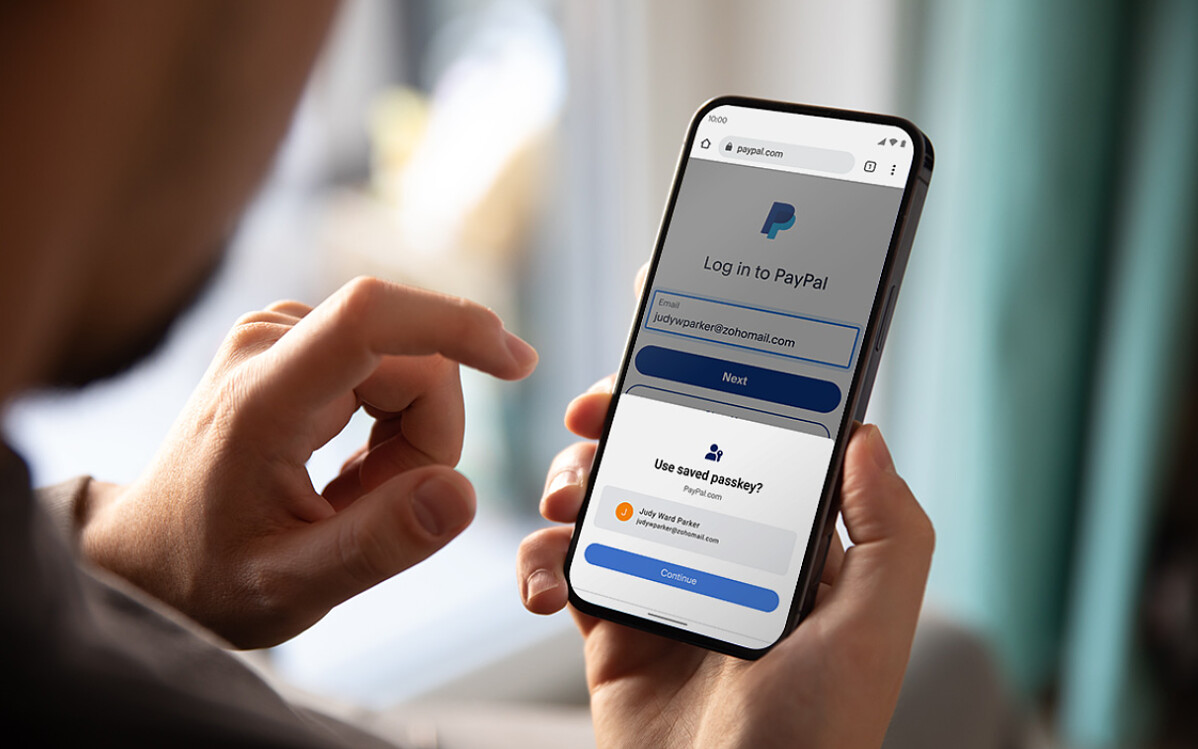
PayPal is a leading name in payment systems. It’s popular with consumers worldwide. The registration process is quick, and the platform is known for being trustworthy. It also offers the “Pay in 3” option and plugins designed for specific platforms. According to Merchant Savvy, the cost of common business operations stands at 2.9% + 30p, while the Braintree version costs 1.9% + 20p.
While recognizable and trusted, its prices for common services are higher than those of other companies in this category. This system is well-suited to small-scale sellers who want to launch their businesses as quickly as possible.
Square
Square offers a simple, all-in-one solution. It excels in omnichannel sales. It includes a free tier and blends online and in-person sales. You can also create an online store and use card readers. Merchant Savvy displays UK cards online at a rate of 1.4% + 25p, with pricing starting from £0 for free tiers and £49 or £64 per month for paid tiers. All the details can be found on the Square pricing page.

Mollie
Mollie is an expert on Europe. They have clear prices for each payment method. They offer local European options like SEPA, BACS direct debit, payment links, and platform plugins. Merchant Savvy states that the cost for local consumer cards is 1.2% + 20p. For SEPA direct debit, the fee is 30p per transaction.
It’s great for reaching customers in Europe. But card prices go up with commercial use or when using non-UK cards.

Revolut
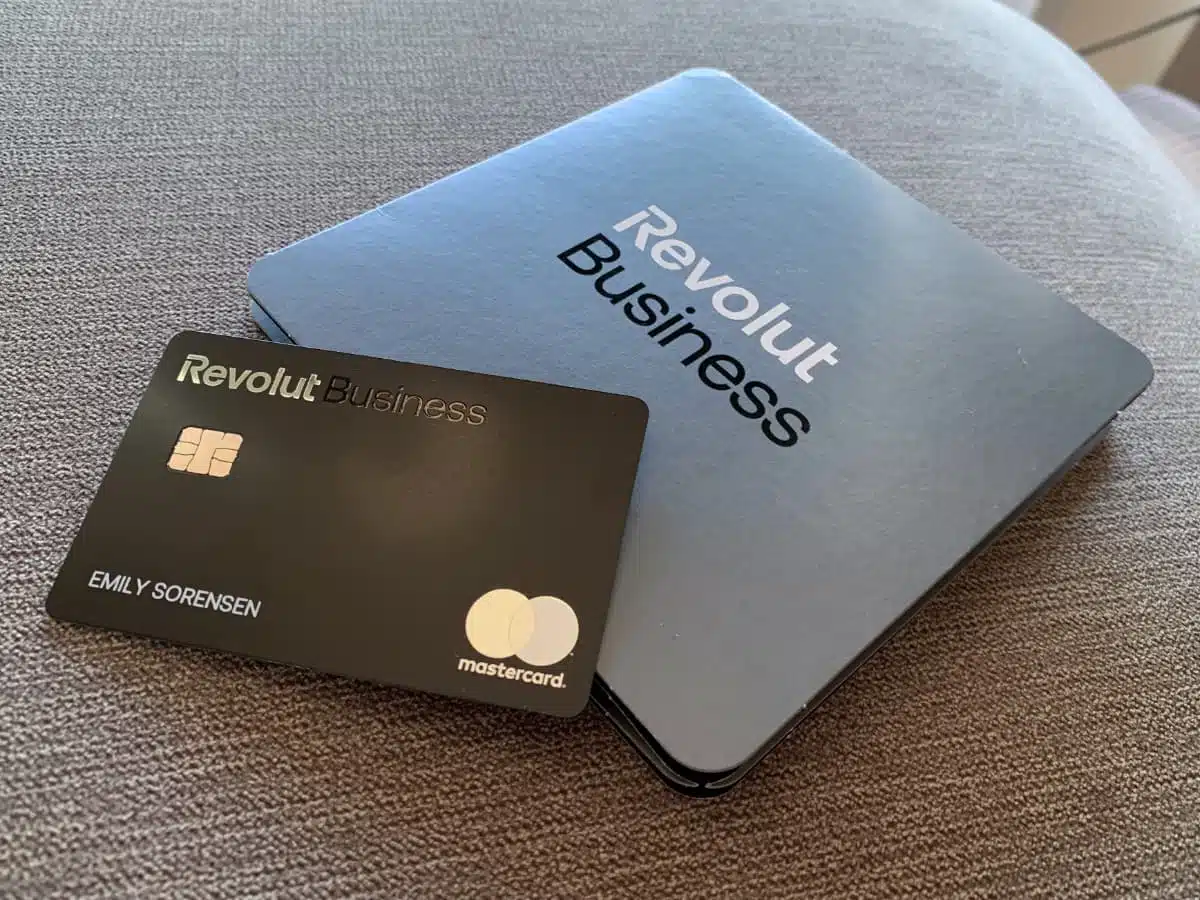
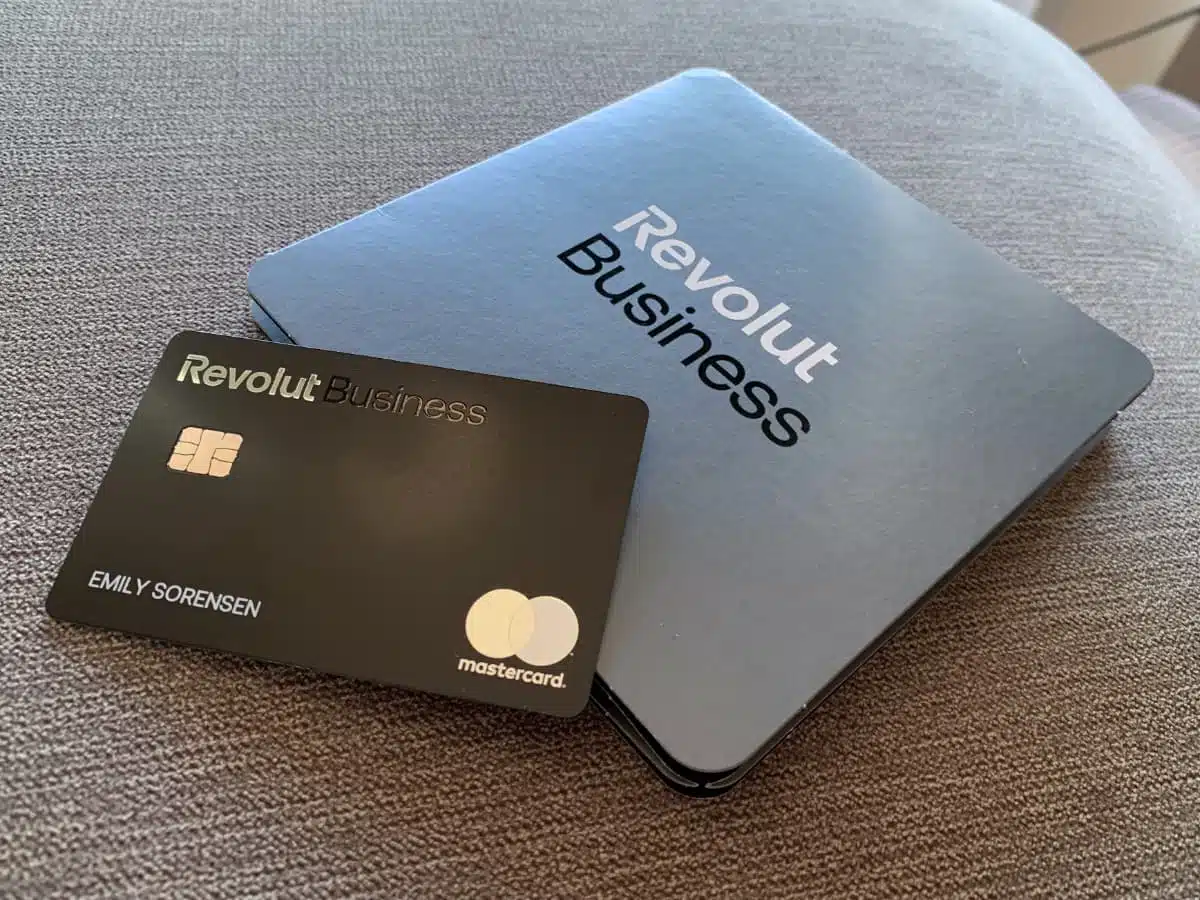
Revolut Business is the commercial side of the well-known fintech. It provides basic and low-cost payment acceptance. You get affordable rates of £10 per month or more, quick payouts to your Revolut account, and a range of plugins and payment links. Merchant Savvy says that the service charges 2.8% + 20p on commercial and international cards.
This is one of the most economical solutions for commercial transactions, yet it is not as advanced as competitors and lacks flexibility in supporting some local methods. This is the reason why it suits small UK-based businesses better.
Which Payment Gateway Is Right for Your Business?
Choosing a gateway for your needs depends on your product offering and audience. Different business models call for different partners, fitting their models:
- New businesses and small merchants: PayPal or Square for ease of integration.
- E-commerce sites: Stripe for scalability or Mollie for access to Europe.
- Subscription models: Stripe billing or direct debit in Mollie.
- Global customers: Mollie or Stripe for extensive currency and payment method support.
- UK-only and budget-friendly: Revolut offers the most economical domestic card fees.
There is no perfect gateway for everyone, so you have to choose your personal one. Understand how your customers shop and the monthly transaction volume. Assess your willingness to invest time in setup. Test one or two options before committing to long-term contracts. Most of them operate on the “pay-as-you-go” model without lock-in.