How to Choose the Right Polycarbonate Electrical Enclosure Supplier
- 05 Jun 2026
- Articles
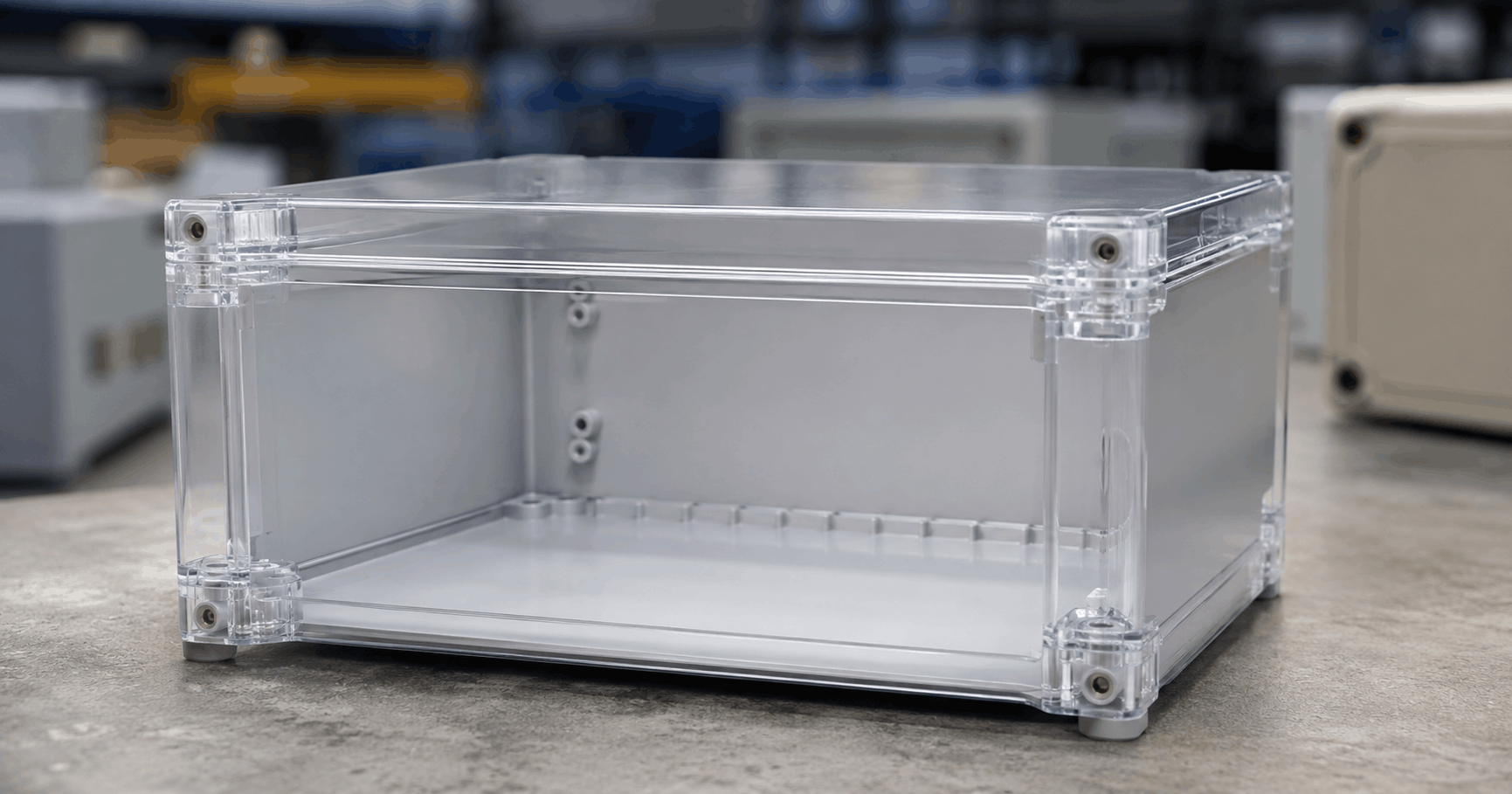
Choosing the right polycarbonate electrical enclosure supplier can have a direct impact on the reliability, safety, and lifespan of your electrical installations. While many suppliers may appear similar at first glance, differences in quality control, technical support, certifications, and customization options can significantly affect your project outcomes.
Whether you are purchasing enclosures for industrial equipment, outdoor electrical systems, or commercial installations, selecting the right supplier requires more than comparing prices. A careful evaluation helps prevent costly delays, product failures, and compatibility issues later on.
Direct answer: Choosing the right polycarbonate electrical enclosure supplier starts with evaluating product quality, certifications, customization capabilities, delivery performance, and technical support. A reliable supplier offers consistent manufacturing standards, transparent documentation, and solutions that match your environmental and operational requirements.
Understand Your Application Requirements First
Before comparing suppliers, define exactly what your project needs. Different environments place different demands on electrical enclosures, and not every supplier specializes in every application.
For example, an enclosure used in a manufacturing plant may need high impact resistance and protection against dust. An outdoor installation may require UV resistance and strong weather protection. If you do not clearly identify these requirements beforehand, it becomes difficult to determine whether a supplier is truly suitable.
Consider factors such as:
- Indoor or outdoor use
- Required IP rating
- Exposure to chemicals or moisture
- Temperature conditions
- Mounting requirements
- Cable entry configurations
Having a detailed list of requirements allows you to ask more precise questions and compare suppliers on relevant criteria rather than marketing claims.
Evaluate Product Quality and Material Standards
Polycarbonate enclosures are often selected because they are lightweight, durable, and resistant to corrosion. However, the quality of polycarbonate materials can vary considerably between manufacturers.
A reputable supplier should be able to provide detailed product specifications and testing information. This includes impact resistance, flame-retardant properties, UV stability, and environmental performance data.
When reviewing products, look beyond photos and catalog descriptions. Ask for samples when possible. Physical inspection often reveals differences in wall thickness, sealing quality, hinge construction, and overall finish.
Suppliers that invest in quality control typically maintain more consistent product performance. This consistency becomes especially important when ordering larger quantities or planning future projects that require matching components.
Check Industry Certifications and Compliance
Certifications provide an additional layer of confidence when evaluating suppliers. They indicate that products have been tested against recognized standards and can meet specific performance requirements.
Depending on your market and application, relevant certifications may include:
- UL certifications
- CE marking
- RoHS compliance
- ISO 9001 quality management
- IP rating verification
A trustworthy supplier should provide documentation without hesitation. If certification details are difficult to obtain or unclear, consider it a warning sign.
Documentation also helps simplify project approvals and compliance reviews. This can save significant time when working with customers, contractors, or regulatory bodies.
Assess Customization Capabilities
Many projects require more than a standard enclosure from a catalog. Cutouts, mounting plates, special colors, labeling, and modified dimensions are common requirements.
A supplier with strong customization capabilities can reduce the need for additional processing after delivery. This often lowers labor costs and improves installation efficiency. If customization requirements are part of your project, additional information about available options and manufacturing capabilities can be found on Film-sheet-products.com.
Customization should also be supported by clear communication and technical guidance. The best suppliers work collaboratively to ensure modifications do not compromise enclosure performance.
Review Technical Support and Expertise
A supplier's value extends beyond the products they sell. Technical expertise can make a substantial difference during product selection and implementation.
Strong suppliers help customers identify suitable enclosure solutions based on environmental conditions, mounting requirements, and equipment specifications. They can often recommend alternatives that improve performance or reduce costs.
Questions Worth Asking a Supplier
Before making a purchasing decision, ask questions such as:
- What industries do you commonly serve?
- Can you provide application recommendations?
- How do you handle technical issues after delivery?
- What testing procedures are used during manufacturing?
- Can you support custom engineering requests?
The quality of the answers often reveals more than the answers themselves. Responsive and knowledgeable suppliers generally become better long-term partners.
Look for Long-Term Partnership Potential
Projects rarely end with a single purchase. Future expansions, replacement parts, and ongoing maintenance frequently require continued supplier involvement.
Suppliers that invest in customer relationships tend to provide better continuity and support. This can simplify procurement processes and reduce future sourcing challenges.
Pay attention to communication quality during the evaluation stage. Delayed responses and incomplete information often continue after the contract is signed.
Compare Lead Times and Supply Reliability
Even an excellent product can create problems if it arrives late. Delivery performance should therefore be part of every supplier evaluation.
Ask suppliers about average lead times, inventory availability, and production capacity. A supplier with strong manufacturing processes is typically better equipped to handle fluctuations in demand.
Supply reliability becomes especially important for organizations managing multiple projects simultaneously. Delays in enclosure delivery can affect installation schedules, labor planning, and customer commitments.
Rather than focusing solely on the fastest quoted lead time, look for suppliers with a proven history of meeting promised delivery dates consistently.
Balance Price With Overall Value
Price is an important consideration, but choosing the lowest-cost supplier often creates hidden expenses later. Poor-quality products can result in higher maintenance costs, replacement purchases, and operational disruptions.
A better approach is to evaluate total value. Consider factors such as durability, support quality, warranty coverage, customization services, and delivery reliability.
For example, a slightly higher-priced enclosure with superior sealing performance may significantly reduce maintenance costs over its service life. In many cases, the long-term savings outweigh the initial price difference.
Request detailed quotations and compare what is included. Some suppliers provide additional services that justify a higher upfront cost.
Warning Signs to Watch For
During supplier evaluation, several red flags deserve attention.
Be cautious if a supplier:
- Cannot provide certifications
- Offers vague technical information
- Has inconsistent communication
- Lacks product documentation
- Cannot explain quality control procedures
- Provides unrealistic delivery promises
These issues may indicate broader operational weaknesses that could affect future projects.
Conducting a thorough review before placing an order is far less costly than addressing problems after installation.
Choose a Polycarbonate Electrical Enclosure Supplier With Confidence
Selecting the right polycarbonate electrical enclosure supplier requires balancing product quality, technical expertise, certifications, customization options, and delivery performance. The strongest suppliers demonstrate transparency, consistent quality standards, and a clear understanding of customer requirements.
Start by defining your application needs, then evaluate suppliers against objective criteria rather than price alone. Taking time to assess quality, support, and reliability can help you build a dependable supply relationship that supports both current projects and future growth.
FAQ
- What makes polycarbonate enclosures different from metal enclosures? Polycarbonate enclosures are lightweight, corrosion-resistant, and often easier to install, while still offering strong impact protection in many applications.
- How important are IP ratings when selecting a supplier? IP ratings help determine protection against dust and water. A supplier should clearly document and verify the ratings of their products.
- Should I choose a supplier that offers customization? If your project requires special cutouts, mounting options, or labeling, customization can save time and reduce installation costs.
- How can I verify a supplier's quality standards? Request certifications, testing reports, product samples, and information about manufacturing quality control procedures.
- Is the lowest-priced supplier usually the best option? Not necessarily. Lower prices can sometimes result in reduced product quality, weaker support, or longer-term maintenance expenses.
- What should I ask before placing a large order? Ask about certifications, lead times, warranty coverage, customization capabilities, quality assurance processes, and technical support availability.