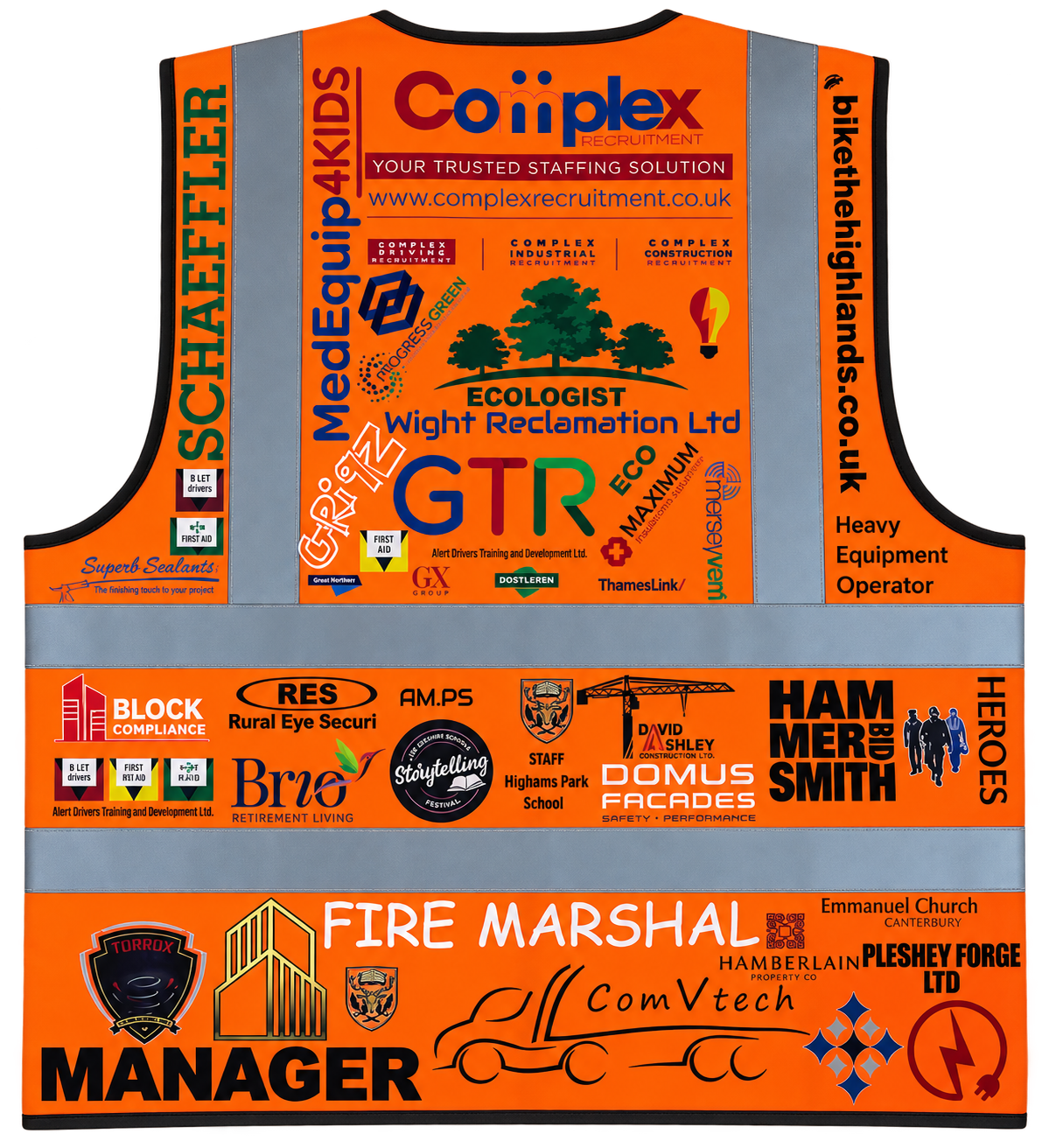
How to Choose Hi Vis Vests for Construction, Warehousing and Site Teams
- 22 Sep 2026
- Articles
Submitted by HVW Ltd
High-visibility vests are one of the most familiar pieces of workplace clothing in the UK, but choosing the right vest for a workforce involves more than simply deciding between yellow and orange.
Construction sites, warehouses, logistics operations, maintenance teams and contractors can all have very different visibility requirements. Garment specification, fastening, pockets, colour, sizing and branding all need to be considered alongside the workplace risk assessment.
For employers and procurement teams, the objective should be simple: choose a vest that is appropriate for the working environment, comfortable enough to be worn correctly and suitable for the way the team actually works.

Start With the Working Environment
Before choosing a hi-vis vest, consider where and how it will be used.
A visitor walking around a controlled warehouse has different requirements from somebody working alongside moving plant on a construction site. Likewise, a delivery driver, traffic marshal and rail contractor may all require different types of high-visibility clothing.
Factors worth considering include:
- proximity to moving vehicles or machinery;
- lighting conditions;
- whether work takes place indoors or outside;
- weather exposure;
- the speed and volume of nearby traffic;
- whether employees need pockets for radios, passes or equipment;
- and any industry-specific clothing requirements.
The appropriate garment should ultimately follow the employer's risk assessment rather than being selected purely on appearance or price.
Businesses looking for different styles can compare standard, zipped, pocketed and specialist hi vis vests according to the requirements of their workforce.
Understand EN ISO 20471
Where high-visibility clothing is being used as personal protective equipment, EN ISO 20471 is one of the key standards employers are likely to encounter.
The standard specifies requirements for clothing intended to make the wearer visually conspicuous in high-risk situations. Garments are classified according to factors including the amount of fluorescent background material and retroreflective material incorporated into the design.
It is important not to assume that every high-visibility-looking garment provides the same level of protection. The certification and class of the individual garment should be checked against the requirements identified by the workplace risk assessment.
Employers wanting more detail can refer to this guide to EN ISO 20471, garment classes and employer responsibilities.
Standard Vests or Executive Vests?
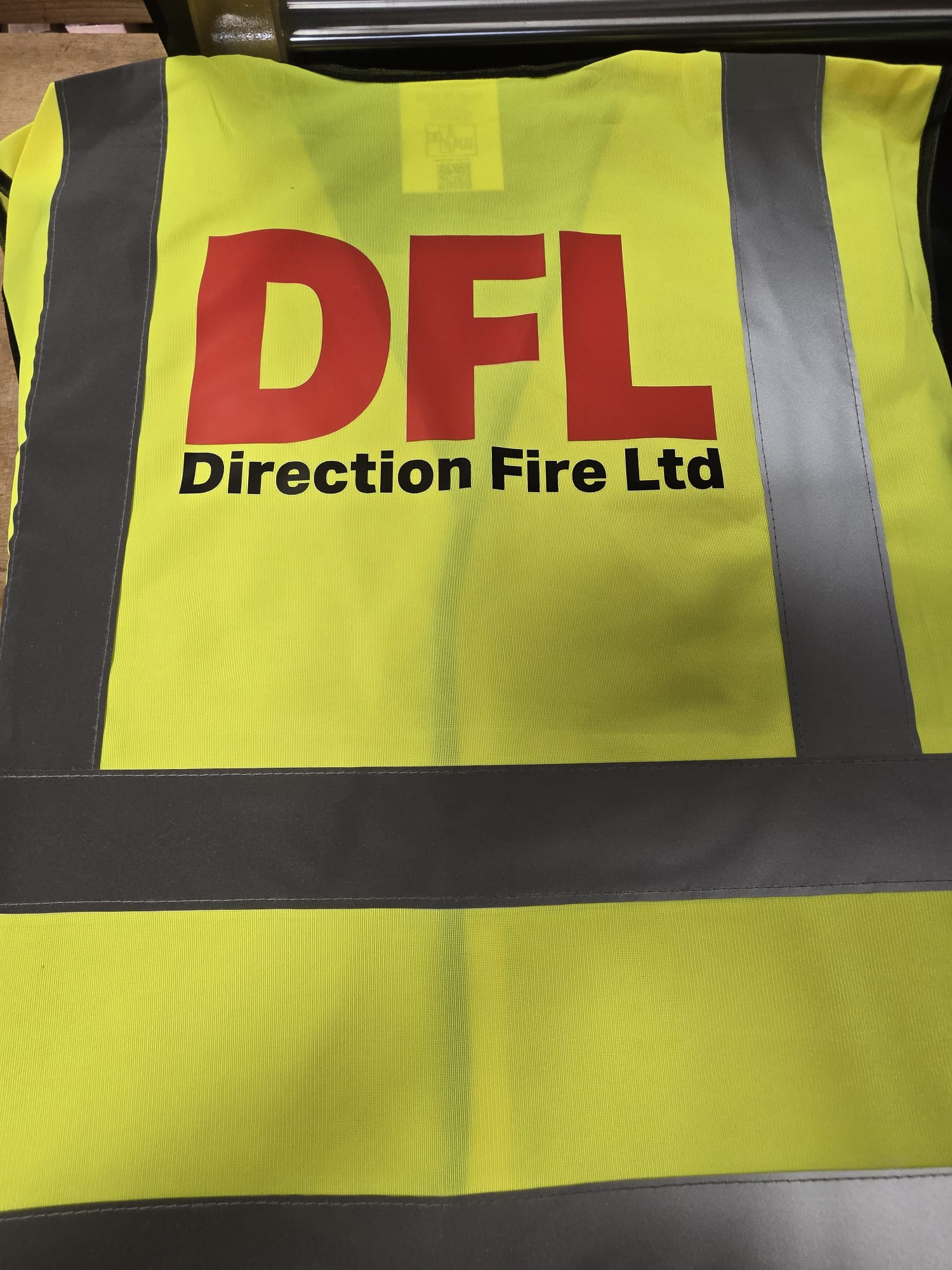
A simple two-band-and-brace vest remains suitable for many applications where the primary requirement is visibility.
However, workers who wear a vest throughout the day may benefit from an executive-style design.
These can include features such as:
- front zip fastening;
- multiple storage pockets;
- ID card holders;
- radio or phone pockets;
- pen pockets;
- and additional practical storage.
For warehouse supervisors, logistics teams, site managers and contractors, these features can make the garment considerably more useful during a working shift.
The important point is to choose features because the workforce needs them rather than simply choosing the vest with the longest specification list.
Consider How the Vest Fastens
Fastening is an easily overlooked detail.
Traditional hook-and-loop fastening provides a simple and economical option, particularly for visitors, temporary staff or situations where vests are issued for shorter periods.
A zipped front can provide a more secure fit for workers wearing their vest throughout the day, particularly where they are moving frequently or carrying equipment.
Neither style is automatically the right choice for every workplace. Usage should dictate the specification.
Choose Colour for the Application
Yellow and orange are the colours most commonly associated with professional high-visibility clothing, but colour choice should not be based purely on company branding.
The working environment and applicable standards come first.
Rail environments are an obvious example. Specialist rail garments may need to comply with RIS-3279-TOM in addition to the relevant high-visibility requirements, so an ordinary orange vest should not automatically be assumed to be suitable for rail work.
For other workplaces, employers should consider the visual background, job role and requirements identified through risk assessment.
Coloured enhanced-visibility garments are also available for roles such as events, visitor identification and workforce organisation, but these should not automatically be treated as substitutes for certified high-visibility PPE where certified protection is required.
Think About Branding Before Ordering
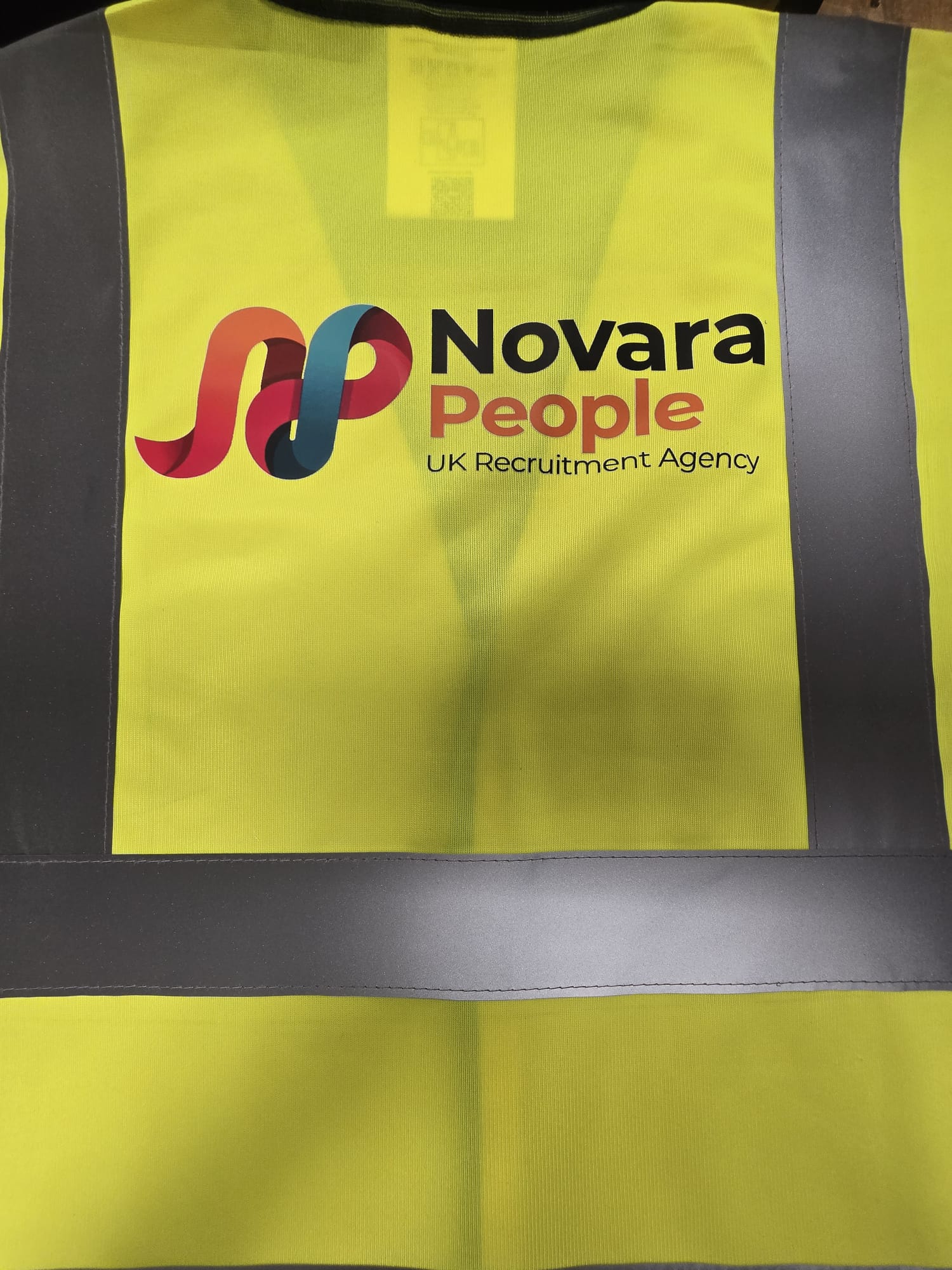
Adding a company logo to a hi-vis vest can help identify employees, subcontractors and different teams on a busy site.
It can also turn a basic item of PPE or workwear into part of a consistent company uniform.
Typical branding requirements include:
- a company logo on the left or right breast;
- larger company branding across the back;
- department or contractor identification;
- job titles;
- and site-specific wording.
However, branding on high-visibility PPE needs to be considered carefully. Printed or embroidered decoration should not obstruct reflective tape or unnecessarily reduce the visible fluorescent area required by the garment's specification.
Artwork position and size should therefore be checked before production rather than treating a hi-vis vest like an ordinary T-shirt.
Check Sizing Across the Whole Workforce
One of the most common purchasing mistakes is ordering a single size in bulk because a hi-vis vest appears loose-fitting.
The vest still needs to fit properly over whatever clothing the employee normally wears.
A warehouse employee wearing a polo shirt will have different sizing requirements from a construction worker wearing the vest over several winter layers.
For larger workforce orders, collecting size requirements before ordering can prevent unnecessary replacements and help ensure employees actually wear the garments correctly.
Consider Replacement as Well as the Initial Purchase
Hi-vis clothing does not remain effective indefinitely.
Fluorescent fabric can fade and reflective material can deteriorate through washing, abrasion, contamination and general wear.
Employers should therefore consider how garments will be inspected and replaced rather than viewing a hi-vis purchase as a one-off exercise.
Signs that may justify replacement include damaged or peeling reflective tape, heavily faded fluorescent material, tears, significant contamination or general deterioration that affects the garment's visibility.
Workers should also know how to report damaged PPE rather than continuing to use it simply because it is still wearable.
Buying for Larger Teams
For procurement teams purchasing hi-vis vests in quantity, consistency becomes particularly important.
Before placing a larger order, it is worth confirming:
- the exact garment and specification;
- colour;
- size breakdown;
- branding method;
- logo dimensions;
- print positions;
- and the approved artwork.
Using the same approved design across the order reduces variation and makes subsequent repeat orders easier.
This is particularly useful for organisations with staff turnover, new starters or multiple teams requiring the same branded uniform throughout the year.
A Simple Hi Vis Vest Buying Checklist
- What hazards has the workplace risk assessment identified?
- Does the garment need to meet a particular standard or class?
- Is a standard vest sufficient, or are pockets and a zip useful?
- Is the chosen colour appropriate for the working environment?
- Does an industry-specific requirement apply?
- Will the vest be worn over other clothing?
- Is company branding required?
- Has the branding position been checked before production?
- How will worn or damaged garments be inspected and replaced?
- Will the same specification be easy to reorder later?
Choosing on Suitability Rather Than Price Alone
Hi-vis vests can be relatively inexpensive compared with many other forms of workwear, which makes it tempting to choose purely on unit cost.
For professional use, however, the better starting point is suitability.
A correctly specified vest that employees can wear comfortably, that provides the features their role requires and that meets the appropriate visibility requirements is more useful than simply purchasing the cheapest available option.
Taking a few minutes to consider the workplace, applicable standards, garment design, sizing and branding before ordering can help businesses create a safer and more consistent solution for the whole workforce.
|
About the author: HVW Ltd supplies high-visibility clothing, workwear and PPE to businesses across the UK, with in-house garment printing and embroidery for personalised workforce clothing. |